

Can You Use Cedar Shavings for Chickens
Written with AI assistance, edited and checked against horticultural sources.
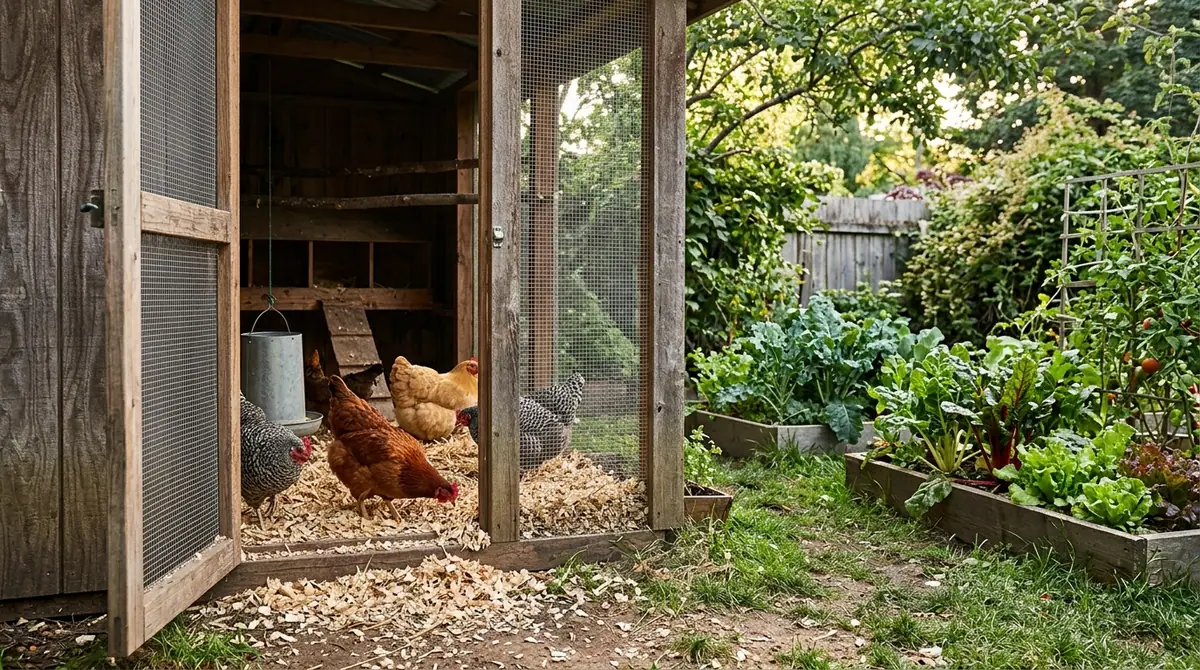
Aromatic red cedar shavings give off a smell that is intoxicating, clean, and sharp like a walk through a Pacific Northwest forest after a 45°F (7°C) autumn rain, but those vibrant purple-and-pink curls contain aromatic compounds and volatile oils that wild trees use to defend themselves against wood-boring insects, raising an important question about what those exact same oils would do to the delicate respiratory system of a flock huddled in an unventilated 40°F (4°C) coop over a 120-day winter.
1. Botanical Overview & Natural Habitat
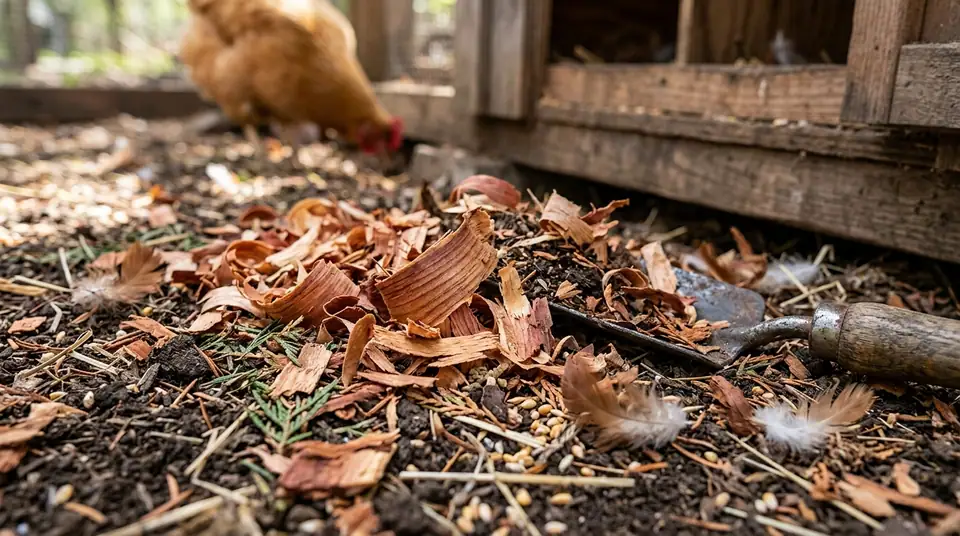
Unlike deciduous trees that drop their leaves annually, conifers invest heavily in persistent, chemical-laden heartwood. The defining characteristic of cedar wood is its high concentration of secondary metabolites, specifically sesquiterpenes, thujaplicins, and aromatic phenols such as cedrol and thujone. In nature, these compounds act as a potent, broad-spectrum biocide and deterrent. They inhibit fungal decay, deter wood-boring insects like termites, and prevent herbivorous mammals from stripping the bark.
When harvested and mechanically planed into shavings for agricultural use, these botanical defenses do not simply vanish. Instead, the mechanical fracturing of the cellular matrix releases these volatile organic compounds (VOCs) into the surrounding air and dust. While these compounds are exceptional at preventing rot in outdoor decking or repelling moths in a wool closet, they operate on a microscopic scale inside an enclosed, poorly ventilated chicken coop.
Poultry possess a highly specialized, hyper-efficient respiratory system that includes posterior and anterior air sacs distributed throughout the body cavity, including hollow bones. Because chickens lack a diaphragm, air is moved through their lungs via a bellows-like action of the body wall. When fine cedar dust and continuous high concentrations of cedrol and thujone are inhaled, these volatile compounds irritate and inflame the delicate epithelial lining of the trachea, bronchi, and lungs. Over a period of exposure lasting anywhere from 14 to 60 days, chronic irritation compromises the bird's mucociliary escalator, predisposing the flock to secondary bacterial infections like Mycoplasma gallisepticum or Aspergillus spores.
| Parameter | Optimal Condition | Common Mistake | Why It Matters |
|---|---|---|---|
| Coop Ventilation Rate | 4 to 6 complete air changes per hour | Relying solely on sealed windows during winter months | Traps ammonia and wood volatiles, causing rapid respiratory distress. |
| Bedding Moisture Content | 12% to 15% initial moisture | Introducing damp or freshly milled cedar flakes (>25%) | Accelerates off-gassing and creates a breeding ground for molds. |
| Coop Temperature Range | 45°F to 75°F (7°C to 24°C) | Allowing interior temps to drop below freezing with tight closures | Increases reliance on supplemental heat and concentrates airborne toxins. |
| Bedding Particle Size | 0.5 to 1.5 inches (1.3 to 3.8 cm) flakes | Using fine cedar sawdust or pulverized wood flour | Maximizes surface area, releasing volatile phenols instantly into the air. |
2. Essential Environmental & Care Requirements
Managing a safe, productive poultry environment requires balancing animal welfare, waste management, and material safety. When evaluating any coop substrate—whether pine, hemp, straw, or cedar—you must look at three core environmental pillars: absorption capacity, gas mitigation, and thermodynamic insulation.
Chickens produce a surprising amount of moisture; a standard 4-pound bird excretes roughly 0.1 pounds of water daily, primarily through wet droppings and respiration. Bedding materials must be able to absorb this moisture quickly and release it back into the atmosphere via proper ventilation before anaerobic bacteria take over.
Cedar shavings possess a moderate moisture absorption rate, roughly 2.5 to 3 times their dry weight, which is comparable to pine. However, their natural resistance to fungal and bacterial degradation—the very trait that makes cedar durable outdoors—means that organic waste breakdown behaves differently in a cedar bed compared to a soft, porous pine bed.
Furthermore, the thermodynamic properties of bedding dictate how well your flock maintains body heat during extreme weather swings. In winter conditions dropping to 15°F (-9°C), a loose, 4-inch (10 cm) layer of bedding traps a pocket of stagnant air that acts as an insulating blanket against frozen hardware cloth or wood flooring. While cedar provides this physical loft, the chemical cost outweighs the thermal benefit.
If you are looking for guidance on safe forestry practices and native tree maintenance, the USDA Forest Service offers comprehensive resources on conifer ecology and wood chemistry.
⚠️ Important Caution: Never use green or freshly cut cedar shavings, as the concentration of volatile oils is at its peak. If cedar must be used out of absolute necessity, it should be aged outdoors in direct sunlight and wind for a minimum of 180 days before entering an enclosed animal space.
3. Step-by-Step Cultivation, Feeding & Propagation
While you do not "grow" or "propagate" bedding materials, establishing a clean, safe, and biologically balanced floor system in your coop is an agricultural protocol that requires precision. If you are transitioning away from problematic materials like cedar to safe, highly absorbent alternatives, follow this structured installation protocol.
- Complete Depopulation and Sanitation: Remove all chickens from the coop and relocate them to an open-air run or temporary holding pen. Strip the coop down to the bare subfloor, shoveling out every trace of old bedding, feathers, and manure.
- Deep Cleaning and Drying: Scrub the interior floor and lower walls with a 10% poultry-safe agricultural disinfectant solution. Allow the structure to dry completely for a minimum of 24 hours until relative humidity drops below 50%.
- Selection of Alternative Substrate: Procure kiln-dried, non-aromatic wood shavings (such as white pine or aspen), chopped agricultural straw, or industrial hemp hurd. Ensure the material moisture content is below 15%.
- Initial Depth Application: Spread the clean bedding material evenly across the coop floor to a precise depth of 4 inches (10 cm) for temperate climates, or increase to 6 inches (15 cm) if ambient winter temperatures consistently fall below 20°F (-6°C).
- Establishment of Maintenance Routine: Rake through the top 1 inch (2.5 cm) of the bedding every 3 days to break up manure clumps and incorporate dry material. Spot-clean wet patches around waterers daily to maintain overall system health.
💡 Pro-Tip: If you accidentally inherited bulk cedar shavings and refuse to waste them, restrict their use exclusively to exterior runs or fully open-air tractor coops where air exchange is instantaneous and infinite, ensuring volatile phenols never reach toxic ppm thresholds.
4. Common Problems, Pests & Troubleshooting
Even with meticulous management, environmental imbalances occur within the micro-ecosystem of a chicken coop. Recognizing the early warning signs of bedding-induced stress can save your flock from catastrophic health declines.
The most common issue associated with poor bedding choice is respiratory distress. If you notice your hens stretching their necks upward, opening their beaks to breathe (gasping), or emitting a clicking, rattling, or wheezing sound from their trachea, you are facing a respiratory crisis. Immediate action is required: remove all questionable bedding within 1 hour, open all windows and vents to maximize cross-ventilation, and inspect the flock for signs of ocular or nasal discharge.
Another frequent problem is pododermatitis, commonly known as bumblefoot. This is a painful staphylococcal infection of the footpad, initiated by a small puncture wound and exacerbated by damp, acidic, or abrasive litter conditions. While cedar shavings do not cause bumblefoot directly, worn-out, powdery cedar dust can pack tightly between the toes, holding moisture against the skin and softening the protective scale layer.
For advanced horticultural insights into plant pathology and soil microbiology, the Royal Horticultural Society provides excellent reference materials on how plant extracts interact with organic waste breakdown.
5. Frequently Asked Questions
Can I mix cedar shavings with pine shavings to dilute the smell?
Mixing cedar with pine does not eliminate the volatile organic compounds; it merely dilutes their concentration. Because chickens spend hours scratching, dust bathing, and roosting directly inches above the floor, their respiratory tracts are continuously exposed to whatever chemicals are present in the matrix. Even a 20% cedar blend can cause chronic, low-level irritation in sensitive breeds like Silkies or Orpingtons over a 30-day period. It is always safer to use 100% kiln-dried white pine, aspen, or hemp.
Are cedar shavings safe for baby chicks in a brooder?
No. Brooders are typically enclosed spaces—often plastic storage bins or cardboard stock tanks kept indoors or in garages where ambient air exchange is restricted. Baby chicks have underdeveloped immune systems, delicate respiratory membranes, and a high metabolic rate, breathing at a much faster frequency than adult hens. Exposing chicks to cedar shavings in a brooder environment for even 7 to 10 days can induce severe chemical pneumonitis, resulting in high mortality rates. Use unprinted, textured shelf liner for the first 5 days, followed by clean, dust-extracted pine flake or paper bedding.
What are the best alternatives to cedar shavings for a chicken coop?
The industry gold standard is kiln-dried white pine shavings, prized for their high absorbency, pleasant neutral scent, and affordable price point. Other exceptional alternatives include chopped agricultural straw (which provides wonderful insulation in winter), industrial hemp hurd (which absorbs up to 4 times its weight in moisture and breaks down rapidly in compost), and shredded autumn leaves that have been thoroughly dried and fluffed. Each of these options provides a safe, non-toxic environment that protects your flock's respiratory health.
Can I put used cedar shavings in my vegetable garden compost?
Yes, but with significant caveats regarding timing and volume. Cedar wood contains natural anti-fungal properties that dramatically slow down the decomposition process. If your compost pile consists of more than 10% cedar by volume, it will tie up available nitrogen and take anywhere from 18 to 24 months to break down fully into a usable humus. If you do compost cedar litter, ensure it is thoroughly aged, turned every 14 days, and completely broken down before applying it to sensitive crops like nightshades or root vegetables.
Related Guides
📋 Table of Contents ▼ Click to expand
Tags:
🌿 Related Plants You Might Like






PlantSavvyWorld
Editorial team
PlantSavvyWorld is an independent botanical education project. Articles are drafted with AI assistance, then edited and checked against university extension services, botanical garden collections and other published horticultural sources.