

Can Slugs Feel Pain
Written with AI assistance, edited and checked against horticultural sources.
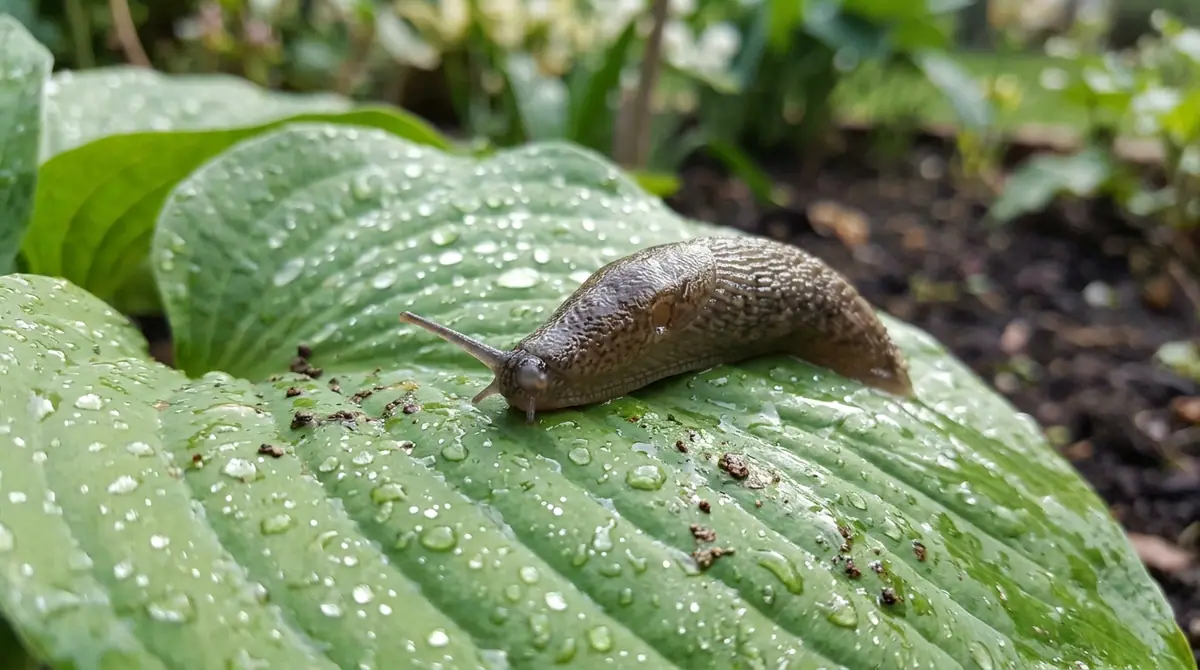
When soil temperatures drop to 45°F (7.2°C) in damp, clay-heavy shade gardens, emerging hostas often face attacks from grey field slugs rasping away at prized shoots. This common garden challenge raises important questions within the horticultural community regarding how gastropods interact with meticulously planned landscapes and whether these pests experience pain.
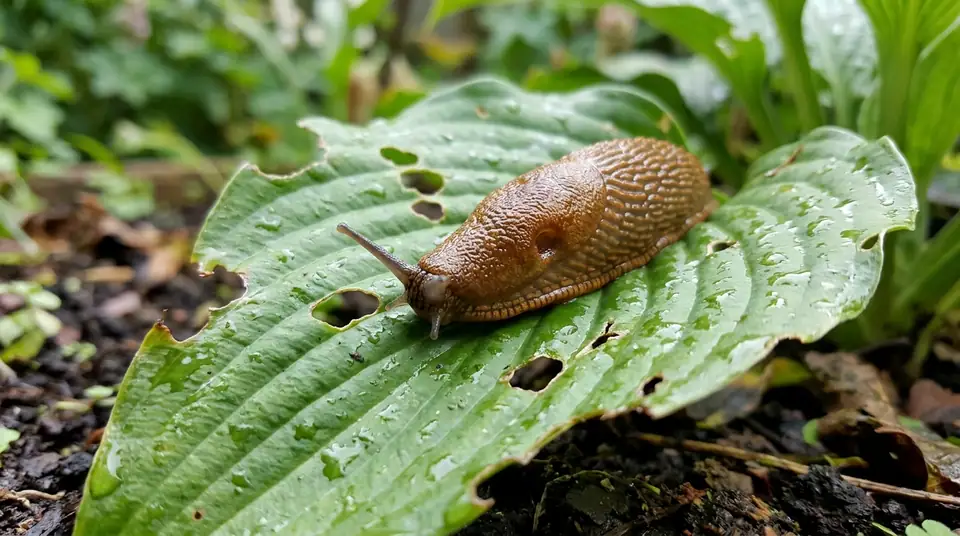
1. Botanical Overview & Natural Habitat
Slugs are terrestrial gastropod mollusks that have evolved from shelled ancestors, losing their external shells over millions of years to fit into tight, subterranean crevices. In the garden ecosystem, they are primary decomposers, recycling organic matter, but they are also notorious herbivores that feed on young foliage, bulbs, and tender stems.
Taxonomically, garden slugs belong primarily to the phylum Mollusca, class Gastropoda. Unlike vertebrates, which possess centralized brains and complex pain-receptor pathways (nociceptors), slugs possess a decentralized nervous system. They have a ring of interconnected ganglia rather than a single brain, coordinating movement, sensory input, and reflexes locally across their muscular foot and mantle.
To thrive, slugs require specific environmental conditions:
- Moisture: Their bodies are roughly 85% water, making high relative humidity (above 70%) vital to prevent desiccation.
- Temperature: Most species remain active when ambient temperatures range between 50°F and 77°F (10°C to 25°C). Below 35°F (1.7°C), they enter a state of dormancy known as overwintering or aestivation.
- Habitat Depth: During dry spells or freezing conditions, slugs burrow 2 to 6 inches (5 to 15 cm) below the soil surface, hiding under rocks, decaying logs, or mulch layers.
Understanding their biology helps us design resilient landscapes. For comprehensive insights into mollusk management and biology, consult the RHS Pest Advice on Slugs.
2. Essential Environmental & Care Requirements
When designing a landscape resilient to slug pressure, our goal is not to eradicate them entirely—which is ecologically impossible—but to manage their habitat to protect vulnerable plants while maintaining soil health. This involves manipulating microclimates, moisture levels, and physical barriers.
Slugs favor damp, dark, undisturbed zones. By altering these environmental parameters, we can naturally deter them from colonizing our prized planting beds.
| Parameter | Optimal Condition | Common Mistake | Why It Matters |
|---|---|---|---|
| Soil Drainage | Well-draining loam or amended clay (moisture retained at 2-4 inches depth) | Over-watering or using thick, matting organic mulches directly against crowns | Excess surface moisture creates an ideal highway and breeding ground for slug populations. |
| Sun Exposure | Full sun to partial shade (4–6 hours direct light) | Dense, perpetual shade with zero airflow | Dark, unventilated zones keep relative humidity high, preventing the slug's skin from drying out. |
| Irrigation Timing | Morning drip irrigation (allowing 6-8 hours of surface drying) | Overhead evening sprinkling | Nighttime watering leaves foliage wet for 10-12 hours, giving slugs prime feeding conditions. |
| Mulch Composition | Coarse materials like pine needles, crushed eggshells, or gravel | Fine, damp compost or shredded hardwood right up to plant stems | Fine mulches retain dampness at the soil surface, inviting slugs to feed directly on emerging shoots. |
💡 Pro-Tip: When applying organic mulches around susceptible perennials like hostas and delphiniums, always leave a 3-to-4-inch (7.5 to 10 cm) dry perimeter of bare soil or coarse grit directly around the plant crowns. This breaks the continuous moisture bridge that slugs use to glide undetected from the mulch to the tender shoots.
3. Step-by-Step Cultivation, Feeding & Propagation
Managing a slug-inflicted landscape requires shifting our approach from chemical warfare to holistic habitat management. Because slugs respond to physical and chemical environmental cues, we can use an integrated sequence of actions to protect our flora while addressing the ethical dimensions of pest control.
Here is my field-tested protocol for establishing a slug-resistant planting bed:
- Site Assessment and Soil Modification: Clear away old debris within a 10-foot (3-meter) radius of your vulnerable garden beds. Amend heavy clay soils with coarse horticultural sand and compost, tilling to a depth of 8 inches (20 cm) to improve subsurface drainage and eliminate subterranean slug eggs, which are translucent, gelatinous spheres laid in clusters 1 to 2 inches (2.5 to 5 cm) deep.
- Establish Physical Barriers: Install copper tape or corrugated copper flashing around raised beds or container rims. When a slug's slime reacts with copper, it produces a mild, unpleasant electrochemical sensation that turns them away without causing fatal injury.
- Deploy Targeted Irrigation: Install a subsurface drip irrigation system or soaker hoses buried 1 inch (2.5 cm) beneath the soil line. This delivers water directly to plant root zones while keeping the topsoil surface dry and inhospitable to crawling gastropods.
- Introduce Companion Plants: Interplant vulnerable species with aromatic herbs and deterrent plants featuring strong essential oils, such as rosemary, lavender, mint, and fennel. The volatile compounds confuse the slug's sensory tentacles.
- Implement Humane Trapping and Removal: Set up board traps (simple planks of wood elevated 0.5 inches / 1.2 cm off the ground by small stones) in the evening. Check the traps at dawn when temperatures hover around 50°F (10°C). Physically collect the slugs and relocate them to a wild boundary area at least 30 feet (9 meters) away from your cultivated beds.
⚠️ Important Caution: Avoid using table salt (sodium chloride) to kill slugs. Salt causes rapid osmotic dehydration, drawing water out of their tissues in a slow, agonizing process. If lethal control is necessary, use iron phosphate-based baits, which are certified organic, safe for wildlife and pets when used as directed, and act by disrupting the slug's calcium metabolism rather than causing painful trauma.
4. Common Problems, Pests & Troubleshooting
Even with robust preventative design, slug pressures will fluctuate depending on weather patterns—particularly during wet springs with consistent rainfall and mild temperatures between 55°F and 65°F (13°C to 18°C).
Symptom: Ragged, irregularly shaped holes with smooth edges on lower leaves, accompanied by silvery, dried slime trails.
- Diagnosis: Active slug or snail infestation. Unlike caterpillars, which often leave frass (excrement) behind, slugs leave behind characteristic shimmering mucous trails.
- Correction: Inspect plants one hour after dusk using a flashlight. Handpick the pests or apply iron phosphate bait granules thinly around the drip line (apply roughly 1 teaspoon per square yard / square meter).
Symptom: Sudden collapse of young seedlings overnight, with stems severed cleanly at the soil line.
- Diagnosis: Juvenile grey field slugs feeding just beneath the soil surface.
- Correction: Clear away all decaying organic debris within 6 inches (15 cm) of the stem base. Dust the surrounding soil with diatomaceous earth (ensure it is food-grade and applied only when dry, as wet diatomaceous earth loses its mechanical deterrent properties).
5. Frequently Asked Questions
Can slugs feel pain?
Current neurobiological research indicates that slugs do not feel pain in the way humans or vertebrates do. Because they lack a centralized brain and nociceptors (specialized pain receptors), they process noxious stimuli as reflex-driven aversive responses rather than conscious suffering. However, because they are sentient living organisms capable of responding to stress, humane management practices should always be prioritized over cruel methods like salt or crushing.
Do beer traps actually work for slug control?
Yes, beer traps are remarkably effective, but their efficacy depends on placement. Slugs are attracted to the fermentation byproducts, particularly yeast. Sink a shallow container (such as a tuna can) into the soil so the rim sits flush with the surface, and fill it with cheap beer. Slugs will crawl in and drown. The main drawback is that you must empty and refill the traps every 48 to 72 hours, as the scent degrades rapidly.
Will copper flashing permanently keep slugs out of raised beds?
Copper flashing acts as an excellent deterrent, not an impenetrable wall. When a slug's muscular foot makes contact with copper, a mild electrical reaction occurs due to the interaction with their mucus. This causes them to turn back. Over time, however, oxidation (the green patina) can reduce the conductivity of the copper, so you must wipe the strip down with a cloth and vinegar once a season to maintain its effectiveness.
Are iron phosphate baits safe for garden birds and pets?
Modern iron phosphate baits (such as Sluggo) are certified safe for domestic pets, earthworms, and birds when applied according to the manufacturer's label instructions. Unlike older metaldehyde baits—which are highly toxic to dogs and wildlife—iron phosphate disrupts the calcium metabolism in the slug's gut, causing them to stop feeding and seek shelter to die underground, neutralizing secondary poisoning risks for predators.
Related Guides
📋 Table of Contents ▼ Click to expand
Tags:
🌿 Related Plants You Might Like

PlantSavvyWorld
Editorial team
PlantSavvyWorld is an independent botanical education project. Articles are drafted with AI assistance, then edited and checked against university extension services, botanical garden collections and other published horticultural sources.