

Best High Pressure Hose Nozzle Garden
Written with AI assistance, edited and checked against horticultural sources.
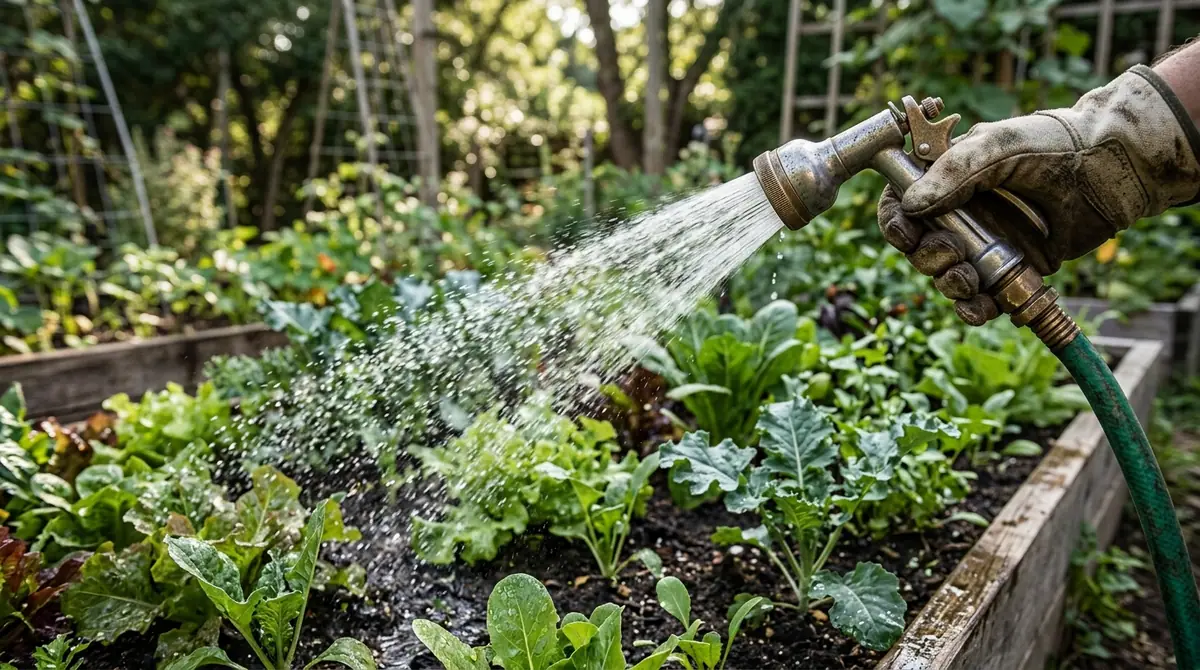
High-pressure garden management requires professional-grade hardware rather than cheap plastic pistol-grip nozzles that can blow apart at 80 PSI and damage delicate bark on heritage rose collections (Rosa rugosa). When you are trying to scour iron-rich well water deposits off stone pavers, strip stubborn aphid colonies off dense boxwood hedges without chemical intervention, or deliver a deep soaking to root zones baked by 95°F (35°C) summer heat, the tool on the end of your hose is just as important as the soil mix in your beds.
1. Botanical Overview & Natural Habitat
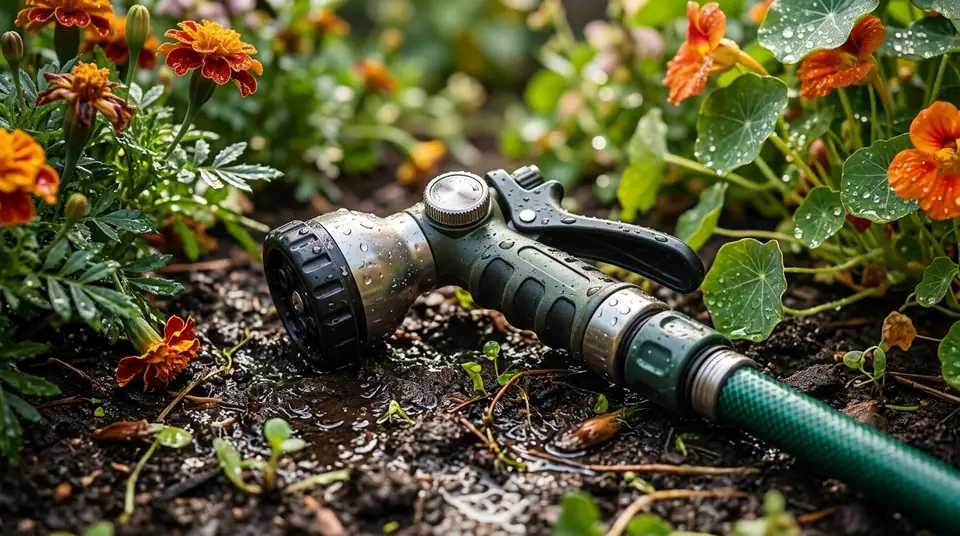
High-pressure hose nozzles alter the kinetic energy of water. By constricting the orifice and accelerating fluid velocity, a quality nozzle transforms a lazy stream into a dynamic instrument capable of performing structural maintenance tasks. Botanically speaking, understanding this is vital because improper water delivery damages plant tissue. Blasting tender epidermal layers with concentrated, unmanaged high pressure ruptures cell walls, creating open vectors for fungal pathogens like Botrytis cinerea or powdery mildew. Conversely, using an adjustable, heavy-duty nozzle allows you to transition seamlessly from a high-pressure jet stream—ideal for clearing hardscape algae or blasting whiteflies off the undersides of dense foliage—to a soft, aerated shower that gently saturates the organic mulch layer without displacing topsoil or exposing shallow feeder roots.
| Parameter | Optimal Condition | Common Mistake | Why It Matters |
|---|---|---|---|
| Operating Pressure | 40–80 PSI (2.7–5.5 bar) | Exceeding 100 PSI without a regulator | Prevents internal valve blowout and seal degradation. |
| Orifice Diameter | Variable (0.5mm to 4mm settings) | Using a single unadjustable jet for all tasks | Protects tender foliage from cellular bruising and tissue rupture. |
| Material Composition | Forged brass or anodized aluminum | Thin-walled zinc or brittle plastic | Ensures thermal expansion tolerance and drop resistance over 5 feet (1.5 m). |
| Flow Rate | 5 to 10 gallons per minute (GPM) | Restricting flow below 3 GPM on large beds | Ensures adequate delivery volume for deep-root irrigation in 30 days of drought. |
2. Essential Environmental & Care Requirements
Maintaining your high-pressure hose nozzle requires treating it with the same respect you give your pruning shears or soil pH meters. Because these tools operate under intense mechanical stress and frequent friction, neglecting their maintenance leads to calcification, frozen dial collars, and leaking O-rings.
First, consider thermal and seasonal storage. When ambient temperatures drop below 32°F (0°C), residual water trapped within the brass or aluminum chambers of your nozzle will freeze. Water expands by approximately 9% when it turns to ice, exerting thousands of pounds of pressure per square inch that can crack solid metal housings or split internal brass stems. Always drain your nozzles completely after every use in autumn, and store them indoors in a dry environment where temperatures remain consistently above 45°F (7°C).
⚠️ Important Caution: Never use industrial degreasers or harsh petroleum-based solvents to clean the rubber gaskets and internal O-rings of your high-pressure nozzle. These chemicals degrade synthetic nitrile rubber, causing premature cracking, pressure loss, and annoying leaks that spray back onto your hands during operation. Instead, use warm water and mild dish soap, lubricating dry O-rings with food-grade silicone grease twice a season.
Water quality also plays a massive role in the longevity of your hardware. If your municipal or well water has a high mineral content—often exceeding 200 parts per million (ppm) of total dissolved solids—calcium and magnesium carbonates will precipitate out of the water and build up around the nozzle's discharge ports. This mineral scaling restricts water flow and ruins spray patterns within 90 days of heavy use. Soak your nozzle in a 50/50 solution of white vinegar and warm water for 60 minutes every 30 days to dissolve mineral deposits naturally without damaging metal finishes. For deeper botanical insights on managing soil moisture and water retention, consult the resources provided by the Royal Horticultural Society.
3. Step-by-Step Cultivation, Feeding & Propagation
Integrating a high-pressure hose nozzle into your garden maintenance routine requires a disciplined protocol. You cannot simply pull the trigger wide open and water indiscriminately; precision is the hallmark of professional landscape management. Follow this step-by-step sequence to maximize your nozzle's utility while safeguarding your plantings:
- Inspect and Pressure-Test: Before attaching the nozzle to your 5/8-inch or 3/4-inch heavy-duty garden hose, verify that the rubber hose washer is seated flat inside the coupling. Turn the spigot on slowly to 50% capacity, checking for leaks at the threaded connection before engaging full pressure.
- Calibrate the Spray Pattern for the Task: Twist the nozzle head or adjust the rear thumb-control valve to match your immediate objective. Use the fine-mist or shower setting for germinating seeds or watering delicate annual flats; switch to the flat fan setting for washing down greenhouse benches; and reserve the high-pressure pin-point jet exclusively for clearing debris from gutters, cleaning stone patios, or blasting hard-to-reach insect infestations off dormant woody stems.
- Execute Deep Root Irrigation: When watering established perennial borders or trees, switch the nozzle to a medium-flow flood or jet setting directed strictly at the root zone mulch layer, keeping water off the leaves to minimize foliar disease vectors. Spend a minimum of 45 seconds per square yard to ensure moisture penetrates down to the critical 6-to-8-inch (15-to-20-cm) soil depth where active root hairs absorb nutrients.
- Post-Use Maintenance and Draining: Release the trigger or turn off the thumb control, disconnect the nozzle from the hose, and shake out any residual standing water. Store the nozzle in the open (non-pressurized) position to relieve tension on internal springs and seals, extending the functional lifespan of the tool by years.
💡 Pro-Tip: When dealing with severe aphid or spider mite outbreaks on robust plants like hibiscus or roses, adjust your high-pressure nozzle to a concentrated, linear fan pattern. Stand approximately 18 inches (45.7 cm) away from the foliage at a 45-degree angle. This physical water displacement technique knocks pests off the plant without the need for systemic insecticides, interrupting their lifecycle instantly while preserving beneficial predatory insects like ladybug larvae hiding deeper within the canopy.
4. Common Problems, Pests & Troubleshooting
Even the best high-pressure hose nozzles encounter operational hurdles in the field. Recognizing the early warning signs of hardware failure prevents mid-watering frustrations and protects your landscape schedule.
- Symptom: Water sprays backward out of the threaded connection between the hose and the nozzle.
- Cause: Missing, compressed, or degraded rubber hose washer; or mismatched thread pitches (such as trying to mate standard GHT garden hose threads with NPS pipe threads).
- Solution: Replace the washer with a heavy-duty EPDM rubber or silicone replacement gasket. Ensure you are not cross-threading the brass collar during attachment.
- Symptom: The spray pattern is distorted, uneven, or spitting erratic droplets.
- Cause: Mineral scaling (calcium carbonate) lodged inside the precision discharge orifices, or debris trapped behind the internal valve stem.
- Solution: Unscrew the front faceplate if modular, or submerge the entire nozzle in a white vinegar bath for 2 hours. Use a soft-bristled toothbrush to scrub away loosened mineral deposits, then flush the nozzle backwards by attaching it in reverse if possible, or running high-pressure water through the inlet.
- Symptom: The trigger lever or thumb control sticks in the open position and refuses to shut off water flow.
- Cause: Internal spring fatigue caused by leaving the nozzle under constant water pressure, or grit accumulation inside the sliding chamber.
- Solution: Disengage the water spigot immediately to relieve pressure. Spray a food-safe silicone lubricant into the mechanical pivot points, and work the lever back and forth 20 times to clear trapped soil particles. If the spring has snapped due to freeze damage, replace the unit.
5. Frequently Asked Questions
What is the difference between brass and zinc hose nozzles for garden use?
Brass is an alloy of copper and zinc that offers exceptional tensile strength, corrosion resistance, and thermal durability, making it the gold standard for high-pressure applications lasting 10 years or more. Zinc nozzles are cheaper, softer, and prone to rapid white-rust oxidation and structural cracking if dropped on concrete or left exposed to freezing winter temperatures.
How do I stop my high-pressure nozzle from leaking at the handle?
Leaks at the handle or trigger mechanism usually indicate worn-out internal O-rings or a degraded packing nut. Tighten the packing nut slightly with a pair of adjustable pliers if your model features an adjustable stem, or replace the internal rubber seals using a universal O-ring kit matched to your nozzle's specific shaft diameter.
Will a high-pressure nozzle damage my delicate flowers and seedlings?
Yes, if used incorrectly. Directing a concentrated, high-pressure jet stream at delicate annuals, seedlings, or open blooms will shred petals, bruise stems, and wash away germinating seeds. Always adjust your nozzle to a soft shower or fine mist setting when working with fragile plant tissue, reserving high-pressure settings strictly for hardscaping and structural cleaning.
Why does my hose nozzle lose pressure when I turn it on?
Pressure loss is typically caused by three factors: a kinked hose restricting volume upstream, mineral buildup clogging the nozzle's internal discharge ports, or inadequate municipal water supply pressure (below 40 PSI). Inspect your hose line for kinks, soak the nozzle in a vinegar solution to clear mineral scale, and check your main spigot flow rate.
Related Guides
- Low Water Pressure in Sprinklers
- How to Condition a Straw Bale for Gardening Straw Bale Gardening Guide
- When to Plant Tulips and Daffodils
📋 Table of Contents ▼ Click to expand
Tags:
🌿 Related Plants You Might Like






PlantSavvyWorld
Editorial team
PlantSavvyWorld is an independent botanical education project. Articles are drafted with AI assistance, then edited and checked against university extension services, botanical garden collections and other published horticultural sources.