

Can You Plant Zinnias In The Fall: Expert Gardening Guide & Science-Backed Tips
Mit KI-Unterstützung verfasst, redaktionell geprüft und mit Fachquellen abgeglichen.
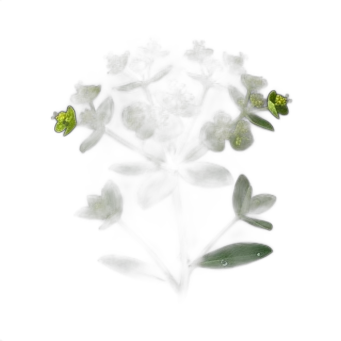
As I walk through trial gardens on a brisk October morning, I often hear the same anxious question whispered over the garden fence: "the PlantSavvyWorld editorial team, can you plant zinnias in the fall, or have I missed my window entirely?" It is a question born of love for these resilient, brilliantly colored members of the Asteraceae family. Gardeners see the summer blooms fading and panic. But soil microbiology, and thermal limits, I can tell you that the answer is nuanced. While traditional fall planting of zinnias is challenging in temperate zones due to approaching frost, understanding their biological timeline opens up fascinating possibilities for southern gardeners, greenhouse growers, and seed-saving enthusiasts. Let us dive deep into the science of zinnias and discover how to navigate the autumn growing season like an expert.
Essential Quick Facts & Biological Overview
- Core Topic: Can You Plant Zinnias In The Fall
- Difficulty Rating: Hard
- Recommended Soil pH: 6.0 – 6.8 (Rich in organic matter and micro-nutrients)
- Sunlight Requirements: Full Sun (6+ hours) to Partial Afternoon Shade
- Moisture Management: Deep, infrequent irrigation to promote resilient root architecture

1. Botanical Overview & Natural Habitat
Zinnias (Zinnia elegans and related species) are native to the scrub and dry grassland areas of Mexico, Central America, and the southwestern United States. In their natural habitat, they are accustomed to intense sunlight, high heat, and distinct wet and dry seasons. Because they are tropical and subtropical annuals by nature, they possess zero frost tolerance. When you ask "can you plant zinnias in the fall," you must first look at your local climate calendar.
For gardeners in USDA Hardiness Zones 3 through 7, planting zinnias from seed in the open ground in autumn is an exercise in heartbreak; soil temperatures dropping below 60°F (15.5°C) inhibit germination, and the first hard freeze will immediately rupture plant cell walls. However, in USDA Zones 9 through 11, autumn marks the beginning of a glorious secondary growing season. The scorching, humid heat of July and August breaks, and the mild, sunny days of October and November provide an ideal environment for fast-maturing annuals.
If you are gardening in cooler climates, fall planting shifts indoors. Utilizing grow lights and climate-controlled indoor spaces allows you to bypass the seasonal limitations of the outdoor environment entirely. For further reading on regional climate adaptations, consult the Royal Horticultural Society Advice Portal.
2. Essential Environmental & Care Requirements
To successfully navigate growing zinnias as the seasons shift, you must tightly control their environment.
Soil Preparation and Root Health
Healthy plants start below the ground. Ensure your soil contains a balanced blend of compost, perlite for aeration, and organic worm castings. Compacted, waterlogged soils lead to root rot and fungal pathogens. Zinnias demand a slightly acidic to neutral soil pH ranging from 6.0 to 6.8. In the fall, outdoor soils tend to become heavier and wetter due to morning dew and autumn rains. Incorporating coarse horticultural sand or sharp perlite ensures rapid drainage, which is non-negotiable for preventing root decay.
Environmental & Climate Optimization
Temperature fluctuations can induce shock. Monitor your USDA Plant Hardiness Zone and provide appropriate frost protection or shade netting during extreme weather shifts. If you are starting zinnias in early autumn outdoors, ambient daytime temperatures should consistently hover between 70°F and 85°F (21°C to 29°C). Nighttime lows dipping below 50°F (10°C) will drastically slow down metabolic processes and stunt floral bud development.
Nutrient Cycling & Organic Fertilization
Apply a high-phosphorus organic blend during root establishment and bud formation, transitioning to potassium-rich kelp meal as plants mature to enhance cellular wall strength and drought tolerance. Avoid heavy nitrogen fertilizers in the fall; excess nitrogen promotes succulent green foliage that is exceptionally vulnerable to powdery mildew and chilling injury.
💡 Pro-Tip: If you are trying to squeeze in a late-season zinnia crop in a warmer climate (Zone 8 or higher), choose fast-maturing dwarf varieties like the 'Thumbelina' or 'Profusion' series. They flower in as little as 50 days from seed, beating the impending winter chill.
3. Step-by-Step Cultivation, Feeding & Propagation
Growing zinnias successfully outside of their peak summer window requires precision and adherence to a strict timeline. Follow this step-by-step protocol to maximize your success:
- Calculate Your Frost-Free Window: Count backward from your region's average first fall frost date. Ensure you have at least 60 to 75 frost-free days ahead of you if direct sowing outdoors.
- Amend and Test the Bed: Clear summer debris, loosen the top 8 inches (20 cm) of soil with a broadfork, and mix in a 2-inch (5 cm) layer of aged compost and perlite to optimize drainage and microbial life.
- Sow at the Correct Depth: Press zinnia seeds into the soil at a depth of 1/4 inch (0.6 cm). Zinnias actually require a hint of light to germinate efficiently, but a light covering protects them from drying out or being eaten by foraging birds.
- Manage Moisture for Germination: Water the seedbed gently with a fine misting nozzle. Keep the soil consistently moist—like a wrung-out sponge—until seedlings emerge. With proper temperature and moisture, noticeable vigor and healthy development occur within 10 to 14 days.
- Thin for Air Circulation: Once seedlings reach 3 inches (7.5 cm) tall, thin them out so that plants are spaced 6 to 12 inches (15 to 30 cm) apart. Proper spacing prevents the stagnant air pockets that cause autumn fungal outbreaks.
- Apply Targeted Nutrition: At the 4-week mark, side-dress your plants with an organic, low-nitrogen, high-phosphorus bone meal or kelp extract to encourage robust root architectures and vivid petal coloration.
| Parameter | Optimal Condition | Common Mistake | Why It Matters |
|---|---|---|---|
| Soil pH | 6.0 – 6.8 | Extreme acidity or alkalinity (<5.5 or >7.5) | Locks out essential micronutrients like iron and phosphorus. |
| Watering Depth | Deep, infrequent (1 inch per week) | Shallow, daily splashes | Promotes weak surface roots instead of deep, drought-resilient architecture. |
| Plant Spacing | 6 – 12 inches apart | Overcrowding seedlings | Traps humidity, inviting devastating powdery mildew infections. |
| Sunlight | 6+ hours of direct sun | Shaded garden corners | Reduces photosynthetic output and dramatically decreases bloom count. |
⚠️ Important Caution: Never overhead water zinnias in the late afternoon or evening during the fall. Droplets lingering on foliage overnight in cooler autumn air act as a breeding ground for fungal spores, specifically powdery mildew and Alternaria blight. Always water at the base of the plant in the morning.
4. Common Problems, Pests & Troubleshooting
Autumn gardening brings unique pathological challenges. As temperatures drop and humidity rises from morning dew, plants become prime targets for fungal pathogens and lingering insect populations seeking shelter.
The #1 issue reported by home gardeners when tackling fall zinnia cultivation is overwatering and poor container drainage or stagnant garden soil. Always check the top 2 inches (5 cm) of substrate before hydrating. If it feels damp, withhold water. Powdery mildew is the ultimate nemesis of the zinnia. You will recognize it as a white, powdery, talcum-like substance coating the leaves. Combat this by ensuring optimal plant spacing, pruning lower yellowing leaves to improve airflow, and applying a preventative spray of organic potassium bicarbonate or diluted neem oil at the first sign of trouble.
Pests such as aphids and spider mites can also congregate on late-season growth. Introduce beneficial insects like ladybugs and lacewings, or wash foliage down with a strong stream of water early in the day to disrupt pest life cycles. For science-backed plant pathology guidance, refer to resources provided by Penn State Extension Gardening Services.
5. Frequently Asked Questions
What is the most common mistake when managing can you plant zinnias in the fall?
The single most common mistake is failing to account for local frost dates and soil temperature drops. Gardeners often plant seeds when the air feels crisp and pleasant, but if soil temperatures fall below 60°F (15.5°C), seeds fail to germinate, and established plants experience fatal cellular shock when an unexpected frost hits.
How quickly can results be expected?
With proper temperature, photoperiod lighting, and balanced organic feeding, noticeable vigor and healthy seedling development occur within 10 to 14 days. From seed to first bloom, fast-maturing varieties typically require 55 to 70 days under optimal environmental parameters.
Is companion planting recommended?
Yes. Aromatic companion herbs such as basil, thyme, and marigolds naturally deter destructive pests like nematodes and thrips while attracting beneficial pollinators such as hoverflies and parasitic wasps to your garden ecosystem.
Can I save seeds from my fall-blooming zinnias?

Related Guides
- Can You Transplant Roses in the Fall
- Do You Cut Back Peonies in the Fall
- Does Basil Need Light to Germinate? Soil Depth & Sprouting Science
Further Reading
Tags:
🌿 Related Plants You Might Like






PlantSavvyWorld
Redaktion
PlantSavvyWorld ist ein unabhängiges botanisches Bildungsprojekt. Artikel werden mit KI-Unterstützung verfasst und anschließend redaktionell geprüft und mit universitären Beratungsdiensten, botanischen Sammlungen und weiteren veröffentlichten Fachquellen abgeglichen.