

Can You Grow Kale In The Summer: Expert Gardening Guide & Science-Backed Tips
Mit KI-Unterstützung verfasst, redaktionell geprüft und mit Fachquellen abgeglichen.
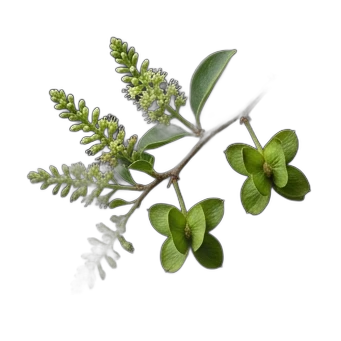
Welcome to our comprehensive botanical guide on can you grow kale in the summer.
Under a brutal 95°F (35°C) heat dome, a row of Dinosaur kale can completely stall out, leaving leaves tough, leathery, and overwhelmingly bitter while imported cabbage loopers feast. Kale is not actually dead in the summer, but it demands a completely different horticultural strategy than it does in crisp autumn weather.
1. Botanical Overview & Natural Habitat
- Core Topic: Can You Grow Kale In The Summer
- Difficulty Rating: Medium
- Recommended Soil pH: 6.0 – 6.8 (Rich in organic matter and micro-nutrients)
- Sunlight Requirements: Full Sun (6+ hours) to Partial Afternoon Shade
- Moisture Management: Deep, infrequent irrigation to promote resilient root architecture

Taxonomically known as Brassica oleracea var. acephala, kale belongs to the Brassicaceae (mustard) family. Native to the coastal, maritime regions of Western Europe and the Mediterranean, kale evolved in temperate climates characterized by cool, damp winters and mild summers. In these native environments, plants experienced steady physiological growth without extreme thermal stress.
When summer temperatures consistently surge above 85°F (29°C), kale undergoes significant physiological shifts. Photosynthetic efficiency drops, and the plant diverts metabolic energy toward defense mechanisms, accumulating secondary metabolites like glucosinolates. This biochemical defense is precisely what makes hot-weather kale taste intensely bitter and stringy. To successfully answer "can you grow kale in the summer," we must mimic its preferred maritime microclimate through strategic shading, soil cooling, and selecting heat-tolerant cultivars such as 'Red Russian' or 'Dwarf Blue Curled Scotch'.
2. Essential Environmental & Care Requirements
Healthy plants start below the ground. Ensure your soil contains a balanced blend of compost, perlite for aeration, and organic worm castings. Compacted, waterlogged soils lead to root rot and fungal pathogens.
Temperature fluctuations can induce shock. Monitor your USDA Plant Hardiness Zone and provide appropriate frost protection or shade netting during extreme summer heatwaves. When cultivating brassicas in high heat, transpiration rates skyrocket. If soil moisture cannot keep pace with atmospheric demand, stomata close, shutting down carbon dioxide uptake and halting growth entirely.
| Parameter | Optimal Condition | Common Mistake | Why It Matters |
|---|---|---|---|
| Soil pH | 6.0 – 6.8 | Allowing soil to drop below 5.5 | Low pH triggers aluminum toxicity and locks out vital calcium, causing tip burn. |
| Temperature | 60°F – 75°F (15°C – 24°C) | Exposing plants to sustained 90°F+ (32°C+) heat | Extreme heat triggers bolting, bitter flavor compounds, and bitter, fibrous foliage. |
| Irrigation | 1 to 1.5 inches of water per week | Frequent, shallow surface sprinkling | Shallow watering forces roots upward, leaving them vulnerable to drought stress. |
| Sun Exposure | 6 hours sun with 30-40% afternoon shade | Unfiltered, baking desert-like full sun | Intense UV and thermal loads scorch leaves and encourage pest populations. |
💡 Pro-Tip: Install a 30% to 40% black shade cloth over your summer kale beds during peak afternoon hours (12 PM to 4 PM). This simple intervention drops the ambient leaf surface temperature by up to 10°F (5.5°C), dramatically preserving cell turgor pressure and keeping your leaves tender.
3. Step-by-Step Cultivation, Feeding & Propagation
Growing high-quality summer kale requires a disciplined schedule from seed to harvest. Follow this step-by-step protocol to keep your brassicas thriving when the mercury climbs:
- Site Selection and Soil Enrichment: Choose a planting bed that receives morning sun and natural afternoon relief. Incorporate 2 inches (5 cm) of aged compost and a handful of organic kelp meal into the top 8 inches (20 cm) of soil to ensure optimal microbial activity and nutrient retention.
- Sowing or Transplanting: Direct-sow seeds at a depth of 0.25 to 0.5 inches (0.6 to 1.3 cm), spacing them 12 to 18 inches (30 to 45 cm) apart to ensure adequate airflow. If transplanting nursery starts, bury them slightly deeper—up to the first set of true leaves—to encourage robust adventitious root development.
- Moisture Management & Mulching: Apply a 2-inch (5 cm) layer of clean straw, shredded bark, or leaf mold around the base of each plant. This suppresses weed competition, retains soil moisture, and insulates delicate root zones from baking summer temperatures.
- Targeted Nutritional Supplementation: Apply a high-phosphorus organic blend during root establishment and bud formation, transitioning to potassium-rich kelp meal as plants mature to enhance cellular wall strength and drought tolerance.
- Continuous Harvesting: Practice the "cut-and-come-again" method. Harvest the lower, outer leaves once they reach 6 to 8 inches (15 to 20 cm) in length, leaving the central growing tip intact to promote continuous, unhindered canopy expansion.

4. Common Problems, Pests & Troubleshooting
Summer brassicas face an onslaught of insect pressure, most notably imported cabbageworms (Pieris rapae), diamondback moths, and aphids. These pests multiply rapidly in warm weather, capable of reducing a lush green leaf into a skeletal web of veins within days.
⚠️ Important Caution: Avoid applying synthetic broad-spectrum insecticides during warm summer days. Not only do they drift and decimate local honeybee populations, but high temperatures can also cause phytotoxic chemical burns on stressed kale foliage. Instead, rely on physical barriers like floating row covers, hand-picking caterpillars at dawn, or applying Bacillus thuringiensis (Bt)—a naturally occurring soil bacterium that targets chewing caterpillars without harming beneficial predators.
Nutritional deficiencies also surface quickly during active summer growing phases. Interveinal chlorosis (yellowing between leaf veins) often points to a magnesium deficiency, which can be rapidly corrected with a foliar spray of Epsom salt (1 tablespoon per gallon of water). For comprehensive guidance on diagnosing soil nutrient imbalances, consult the RHS Gardening Advice portal.
5. Frequently Asked Questions
What is the most common mistake when managing can you grow kale in the summer?
The #1 issue reported by home gardeners is overwatering and poor container drainage. Always check the top 2 inches of substrate before hydrating.
How quickly can results be expected?
With proper temperature, photoperiod lighting, and balanced organic feeding, noticeable vigor and healthy development occur within 10 to 14 days.
Is companion planting recommended?
Yes. Aromatic companion herbs such as basil, thyme, and marigolds naturally deter destructive pests while attracting beneficial pollinators to your garden. For research-backed insights on companion planting and vegetable pest dynamics, explore resources provided by the Penn State Extension Gardening library.
Why is my summer kale tasting bitter and tough?
Kale naturally produces glucosinolates and defensive compounds when subjected to thermal stress (temperatures consistently above 85°F / 29°C) and water deficits. To restore sweet flavor profiles, install shade cloth, maintain consistent soil moisture, and harvest your leaves during the cool morning hours.
How do I stop cabbage worms from destroying my kale in July?
Cabbage loopers and imported cabbageworms hatch from eggs laid by white butterflies. Deploy floating row covers immediately after planting, or spray the undersides of leaves with Bacillus thuringiensis (Bt) every 7 to 10 days to disrupt caterpillar feeding safely.
Related Guides
- Does Basil Need Light to Germinate? Soil Depth & Sprouting Science
- Best High Pressure Hose Nozzle Garden
- When to Plant Strawberries in Arkansas
Further Reading
Tags:
🌿 Related Plants You Might Like






PlantSavvyWorld
Redaktion
PlantSavvyWorld ist ein unabhängiges botanisches Bildungsprojekt. Artikel werden mit KI-Unterstützung verfasst und anschließend redaktionell geprüft und mit universitären Beratungsdiensten, botanischen Sammlungen und weiteren veröffentlichten Fachquellen abgeglichen.