Pearl Plant
Haworthia cooperi
1. Botanical Overview & Natural Habitat

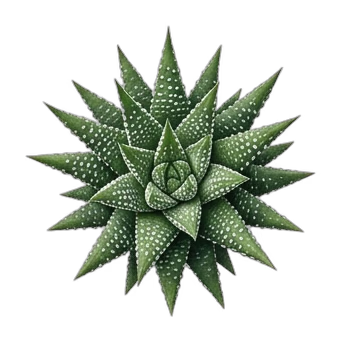
In its native habitat, Haworthia cooperi experiences a natural microclimate where intense sunlight is filtered by surrounding terrain. The most striking morphological feature of the plant is its swollen, translucent leaf tips. These leaf windows, or pellucid leaves, contain specialized plant tissue that allows light to penetrate deep into the interior of the leaf where chloroplasts can photosynthesize safely away from the scorching, desiccating African sun.
Unlike fast-growing tropicals like the Lipstick Plant (Aeschynanthus Radicans) Complete Care & Bloom Guide, which demand high humidity and frequent watering, the Pearl Plant is a slow-growing compact rosette. Mature rosettes typically reach a height of 2 to 4 inches (5 to 10 cm) and spread out to 3 to 6 inches (7 to 15 cm) across, occasionally producing offsets (pups) from the base to form dense clusters. The leaves are typically pale green to blue-green, decorated with translucent, gelatinous tips that catch the light like scattered glass beads.
2. Essential Environmental & Care Requirements
Translating the arid South African veld to a modern indoor environment requires balancing light, substrate composition, and watering intervals. If you manage container depths and soil aeration carefully—much like you would when evaluating How Deep Do Pepper Plant Roots Go? Pot Size & Substrate Depth Guide—your Pearl Plant will thrive for decades.
| Parameter | Optimal Condition | Common Mistake | Why It Matters |
|---|---|---|---|
| Light | Bright, indirect light (4 hours of gentle morning sun) | Direct, scorching midday sun | Direct heat burns the translucent leaf tips, turning them brown and crispy. |
| Temperature | 65°F to 80°F (18°C to 27°C) active; min 40°F (4°C) dormant | Exposing to frost or freezing conditions | Cell walls rupture when frozen, turning the succulent leaves to mush. |
| Substrate | 50% inorganic grit (pumice/perlite) + 50% organic cactus mix | Using standard dense potting soil | Heavy soil retains moisture too long, leading to fatal root rot. |
| Watering | Soak-and-dry method when soil is 100% dry | Frequent, shallow sips of water | Encourages weak surface roots and starves the lower root system. |
Light and Temperature Dynamics
Your Pearl Plant needs bright light to maintain its compact shape, but it burns easily. Place it on an east-facing windowsill or a bright interior table set back 2 to 3 feet (60 to 90 cm) from a south- or west-facing window. During the warm growing season (spring through autumn), temperatures between 65°F and 80°F (18°C to 27°C) are ideal. In winter, you can drop indoor temperatures slightly to between 50°F and 55°F (10°C to 13°C) to encourage a healthy dormancy period, ensuring temperatures never dip below 40°F (4°C).
Substrate and Pot Selection
Because Haworthia cooperi develops deep, fleshy root systems that demand exceptional aeration, standard potting soil is the enemy. Choose a container with at least one generous drainage hole—unglazed terracotta is ideal because it allows excess moisture to evaporate through the clay walls. For guidance on optimizing plant health through environmental controls, consult the Royal Horticultural Society guidelines on succulent cultivation.
💡 Pro-Tip: If your Pearl Plant leaves begin to stretch upward and lose their tight, spherical rosette form (a process called etiolation), it is signaling a desperate need for more light. Move it closer to a window incrementally over 7 to 10 days to prevent sunburn shock.
3. Step-by-Step Cultivation, Feeding & Propagation
Mastering the cultivation of Haworthia cooperi relies on respecting its seasonal growth cycles. Unlike warm-season landscape staples such as those detailed in the The Complete Guide to Coleus Plants: 50+ Varieties, Care, Propagation & Landscaping, Haworthias experience their primary growth spurts during the cooler shoulder seasons of spring and autumn.
Step-by-Step Repotting and Propagation Sequence
- Inspect and Prepare: Select a container only 1 inch (2.5 cm) wider than the current root mass. Prepare your soil mix using equal parts coarse pumice, horticultural perlite, and a low-nutrient organic cactus substrate.
- Unpot the Specimen: Gently ease the Pearl Plant out of its old container. Tap away exhausted soil from the fleshy roots with your fingers, trimming away any dead, papery, or visibly rotting roots with sterilized pruning shears.
- Divide Offsets (Optional): Look for natural offsets (pups) clustered at the base of the mother plant. If a pup has developed its own small root system and is at least 1 inch (2.5 cm) wide, gently twist or cut it away from the main stem, ensuring you retain a portion of shared tissue or individual roots.
- Callus the Wounds: If you made cuts during division, place the separated pups in a dry, shady spot for 3 to 5 days to allow the cut surfaces to callous over completely, which prevents fungal entry upon planting.
- Position and Plant: Place the main plant or division into the new pot, holding the base of the rosette at the soil line. Fill in around the roots with your dry grit-heavy mix, tapping the pot gently to settle the medium. Do not bury the lower leaves.
- Withhold Water: Wait 7 to 14 days after repotting before giving the plant its first deep watering. This settling period allows any micro-tears in the roots to heal without contracting root rot.
Feeding Protocol
Feed your Pearl Plant sparingly. Dilute a balanced, low-nitrogen liquid cactus fertilizer to one-quarter strength and apply it once a month during active growth (April to May and September to October). Skip fertilization entirely during the hot summer months and the cool winter dormancy period. For additional insights on managing regional soil chemistry and nutrient timing, review resources from the University of California Agriculture and Natural Resources extension service.
⚠️ Important Caution: Never let your Pearl Plant sit in a saucer of standing water for more than 15 minutes after watering. Prolonged saturation destroys the root hairs, inviting irreversible crown rot.
4. Common Problems, Pests & Troubleshooting
Even experienced growers run into occasional hiccups with succulents. Learning to read your Pearl Plant's physical cues saves you from guessing its needs.
Overwatering and Root Rot
If the leaves of your Haworthia cooperi turn translucent white, soft, and mushy, or detach with the slightest touch, you are overwatering. Stop watering immediately. Unpot the plant, inspect the root system, trim away black or foul-smelling roots, and let the remaining healthy roots dry bare for 5 to 7 days before repotting into completely dry, well-draining substrate.
Underwatering and Dehydration
When the leaves begin to pucker, wrinkle, or flatten out vertically, the plant is running low on internal water reserves. Give the pot a thorough, deep soaking until water runs freely out of the drainage holes. The leaves will plump back up to their signature bead-like fullness within 48 to 72 hours.
Pests: Mealybugs and Root Mealybugs
Mealybugs are the primary pest threat, hiding deep within the tight crevices of the rosette leaves as white, cottony masses.
- Treatment: Dab individual bugs with a cotton swab soaked in 70% isopropyl alcohol. For persistent infestations, spray the entire plant with insecticidal soap or neem oil, ensuring you treat out of direct sunlight to prevent leaf burn.
- Root Mealybugs: These sneaky pests live underground, feeding on the roots inside a powdery white wax coating. If your plant stops growing entirely and shows drought stress despite moist soil, unpot it, wash the roots clean under running water, dip them in a mild insecticidal solution, and repot in fresh, sterilized soil.

5. Frequently Asked Questions
Why are the leaf windows on my Pearl Plant turning brown and crispy?
Direct, unfiltered afternoon sun is burning the delicate leaf tissues. The translucent tips act like magnifying glasses; intense light levels overload the chloroplasts and scorch the cell walls. Move your plant to an eastern exposure or add a sheer curtain to filter harsh midday rays.
How often should I water my Haworthia cooperi?
Water only when the potting mix is 100% dry from top to bottom. In a typical indoor environment with average humidity, this translates to every 10 to 14 days in spring and autumn, stretching to every 3 to 4 weeks during winter dormancy. Always use the soak-and-dry method rather than giving frequent, light sips.
Can I grow Pearl Plants outdoors year-round?
Only if you live in USDA Hardiness Zones 10 through 11, where winter temperatures rarely drop below 35°F (1.7°C) and frost is non-existent. In all other regions, grow them in containers so they can be brought indoors before the first autumn frost.
Why is my Pearl Plant losing its compact shape and stretching out?
This stretching is called etiolation and happens when the plant receives insufficient light. To compensate, the stem stretches and leaves space out as the plant reaches for a light source. Relocate the plant to a brighter spot immediately; while existing stretched growth will not revert, new growth will emerge tight and compact.
📋 Table of Contents ▼ Click to expand
Tags: