
Purple Passion Plant
Gynura aurantiaca
The first time I introduced a Purple Passion Plant into one of my residential landscape designs, I nearly ruined it within a week. I had tucked a newly purchased Gynura aurantiaca into a brilliant, sun-drenched south-facing glass atrium alongside my sun-loving succulents and vibrant tropicals. Within 48 hours, those iconic, velvety purple hairs had scorched to a crisp, gray-brown ash, and the stems had gone limp with shock. It was a humbling reminder that while plants look exotic and tough, their native ecosystems dictate strict operational parameters. Since that day, I have grown, propagated, and installed hundreds of these velvet plants across indoor and shaded subtropical settings, learning every nuance of their care.
1. Botanical Overview & Natural Habitat

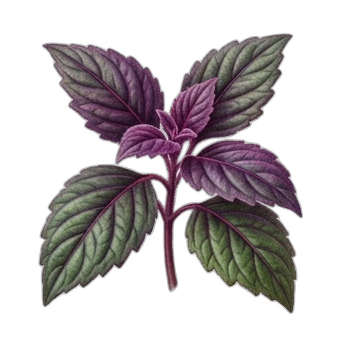
Botanically, Gynura aurantiaca is celebrated for its striking coloration. The leaves and stems are densely covered in microscopic, multicellular trichomes (hairs) that catch and refract light, giving the foliage an iridescent, royal purple velvet sheen over a deep green background. The leaves are ovate to lanceolate, measuring roughly 3 to 6 inches (7.6 to 15.2 cm) in length, featuring coarsely toothed or lobed margins.
As the plant matures—typically within 12 to 18 months—it produces terminal clusters of small, bright orange or yellow-orange disc florets. While these flowers add a contrasting pop of color, many indoor gardeners choose to snip them off. The blooms emit a distinct, musky, or slightly unpleasant aroma reminiscent of wet earth or decay, which some find off-putting in a tight indoor living space.
If you appreciate plants with high-impact foliage like the Purple Passion Plant, you might also enjoy exploring The Complete Guide to Coleus Plants: 50+ Varieties, Care, Propagation & Landscaping, which offers similarly dramatic leaf textures and colors for both indoor and shaded garden beds.
2. Essential Environmental & Care Requirements
To keep your Gynura aurantiaca thriving, you must replicate its native understory environment. This means bright, indirect light, consistent moisture, and protection from harsh environmental extremes.
| Parameter | Optimal Condition | Common Mistake | Why It Matters |
|---|---|---|---|
| Light | 4–6 hours of bright, indirect sunlight daily | Placing in direct, harsh afternoon sun | Direct rays burn the delicate purple trichomes, causing irreversible leaf scorch. |
| Temperature | 65°F to 75°F (18°C to 24°C) | Exposing to drafts below 50°F (10°C) | Cold shock damages cellular walls, leading to rapid wilting and root rot. |
| Humidity | 50% to 70% relative humidity | Keeping in dry indoor air (<30%) | Low humidity dries out leaf tips and stunts the velvety hair development. |
| Watering | Top 1 inch (2.5 cm) dries out completely | Keeping soil constantly soggy or bone-dry | Saturated soil suffocates roots; extreme drought causes irreversible stem collapse. |
Light management is the single most critical factor for maintaining that vivid purple hue. If your plant begins to fade to a dull, muddy green and the stems stretch out weakly—a process known as etiolation—it is signaling that it needs significantly more light. Move it closer to an east- or west-facing window, or introduce a full-spectrum LED grow light positioned 12 inches (30.5 cm) above the foliage for 12 hours a day.
Watering requires a careful balance. Because the leaves and stems are covered in fine hairs that trap moisture and dust, you should always water the soil directly rather than overhead. Splashing water onto the foliage can cause unsightly water-spotting and encourage fungal leaf spot in stagnant air conditions. For further insights on how soil depth and root mechanics interact with watering routines, take a look at How Deep Do Pepper Plant Roots Go? Pot Size & Substrate Depth Guide.
💡 Pro-Tip: Never use leaf shine products or heavy water sprays on your Purple Passion Plant. The fine purple hairs act as a specialized solar filter and moisture regulator; clogging or matting them with oils or chemical sprays will rapidly decline the plant's health.
3. Step-by-Step Cultivation, Feeding & Propagation
Propagation is where the Purple Passion Plant truly shines. Because Gynura aurantiaca tends to become leggy and lose its dense, bushy lower foliage after 2 to 3 years, taking stem cuttings is a standard part of its lifecycle management.
Step-by-Step Propagation and Potting Protocol
- Select Ideal Stock Material: Choose a healthy, actively growing stem tip free of pests. Look for a section that is roughly 4 to 6 inches (10.2 to 15.2 cm) long with at least three to four nodes.
- Make the Cut: Using a sterilized razor blade or pruning shears, make a clean 45-degree cut just below a leaf node.
- Strip Lower Foliage: Remove the lower leaves from the bottom 2 inches (5 cm) of the cutting to expose the nodes, leaving only the top two or three leaves intact.
- Prepare the Rooting Medium: Fill a small propagation tray or 4-inch (10.2 cm) container with a sterile, well-aerated mix consisting of 50% perlite and 50% peat moss or coco coir. Moisten the medium until it is damp like a wrung-out sponge.
- Plant the Cutting: Insert the stripped node end of the cutting 1.5 inches (3.8 cm) deep into the medium. Firm the soil gently around the stem to ensure good contact.
- Create a Humidity Chamber: Cover the pot with a clear plastic bag or propagation dome to lock in humidity, ensuring the plastic does not directly touch the leaves. Place the setup in bright, indirect light at 70°F to 75°F (21°C to 24°C).
- Monitor and Translocate: Rooting typically occurs within 14 to 21 days. Gently tug on the cutting after 3 weeks; if you feel resistance, roots have formed. Acclimate the new plant to ambient room humidity over 4 days before potting it into a permanent container.
When feeding your established plants, use a balanced, water-soluble houseplant fertilizer diluted to half-strength (e.g., 10-10-10 formulation) once every 4 weeks during the active growing season (spring through summer). Withhold all fertilizer completely from late autumn through winter when plant metabolism slows down naturally. For more details on adapting plant care schedules to seasonal shifts, you can reference the timing concepts in When to Plant Strawberries in Kansas: Zone 6a/6b Seasonal Calendar.
4. Common Problems, Pests & Troubleshooting
Even with meticulous care, you may encounter a few common cultural issues when growing Gynura aurantiaca. Diagnosing them early ensures your plant stays vibrant.
- Leggy, Sparse Growth: Caused by insufficient light or a lack of regular pruning. Remedy this by moving the plant to a brighter location and pinching back the growing tips every 4 to 6 weeks to encourage branching.
- Wilting Stems Despite Wet Soil: This is a classic symptom of root rot (Pythium or Rhizoctonia species) caused by overwatering or heavy, poorly draining soil. Inspect the roots; if they are brown, mushy, and foul-smelling, you must propagate healthy stem tips and discard the rest of the plant. To explore further resources on safe plant care, consult the Royal Horticultural Society (RHS) guidelines on indoor plant health.
- Brown, Crispy Leaf Edges: Typically triggered by low relative humidity or chemical buildup from hard tap water. Flush the soil thoroughly with distilled water every 3 months and group the plant with other tropicals or place it on a pebble tray filled with water.
- Pest Infestations: Mealybugs and spider mites occasionally target the dense hairs of the velvet plant. Mealybugs appear as white, cottony masses in leaf axils, while spider mites cause fine stippling and webbing. Treat minor outbreaks immediately by wiping down affected areas with a cotton swab dipped in 70% isopropyl alcohol, or apply horticultural insecticidal soap. For comprehensive guidelines on managing stubborn garden and indoor pests, review the recommendations provided by the University of California Agriculture and Natural Resources (UCANR).
⚠️ Important Caution: While the Purple Passion Plant is generally considered non-toxic to cats and dogs according to the ASPCA, ingestion of any heavy plant material can still cause mild gastrointestinal upset, vomiting, or lethargy in sensitive pets. Always monitor your pets around new houseplants.

5. Frequently Asked Questions
Why is my Purple Passion Plant losing its purple color?
A loss of vibrant purple coloration is almost always a symptom of inadequate light exposure. The distinctive purple hairs (trichomes) require strong, bright, indirect light to synthesize their full pigmentation. Move your plant closer to an east-facing window or supplement with an LED grow light, and you should notice richer color return in new leaf growth within two to three weeks.
How often should I water my Purple Passion Plant?
Water your velvet plant whenever the top 1 inch (2.5 cm) of the potting mix feels dry to the touch. This typically translates to watering every 7 to 10 days indoors, depending on your ambient room temperature and humidity levels. Always check the soil moisture with your finger rather than following a strict calendar schedule, and never let the pot sit in standing water.
Can I grow Purple Passion Plant outdoors?
Yes, you can grow Gynura aurantiaca outdoors as a perennial in USDA Hardiness Zones 10 through 11, or as a seasonal annual or patio container plant in cooler zones. Ensure it is planted in a heavily shaded or dappled-sun location protected from direct afternoon rays, harsh winds, and any risk of frost.
Why do the flowers of the Purple Passion Plant smell bad?
The bright orange blooms produce a distinct musky odor because, in their native Indonesian rainforest habitat, they evolved to attract specific pollinating insects like carrion flies rather than bees or butterflies. If the scent bothers you in an indoor living space, simply snip off the flower buds as soon as they emerge without harming the rest of the plant.
📋 Table of Contents ▼ Click to expand
Tags: