

Can Carrots Be Started Indoors — Complete Care, Planting & Growth Masterclass
Written with AI assistance, edited and checked against horticultural sources.
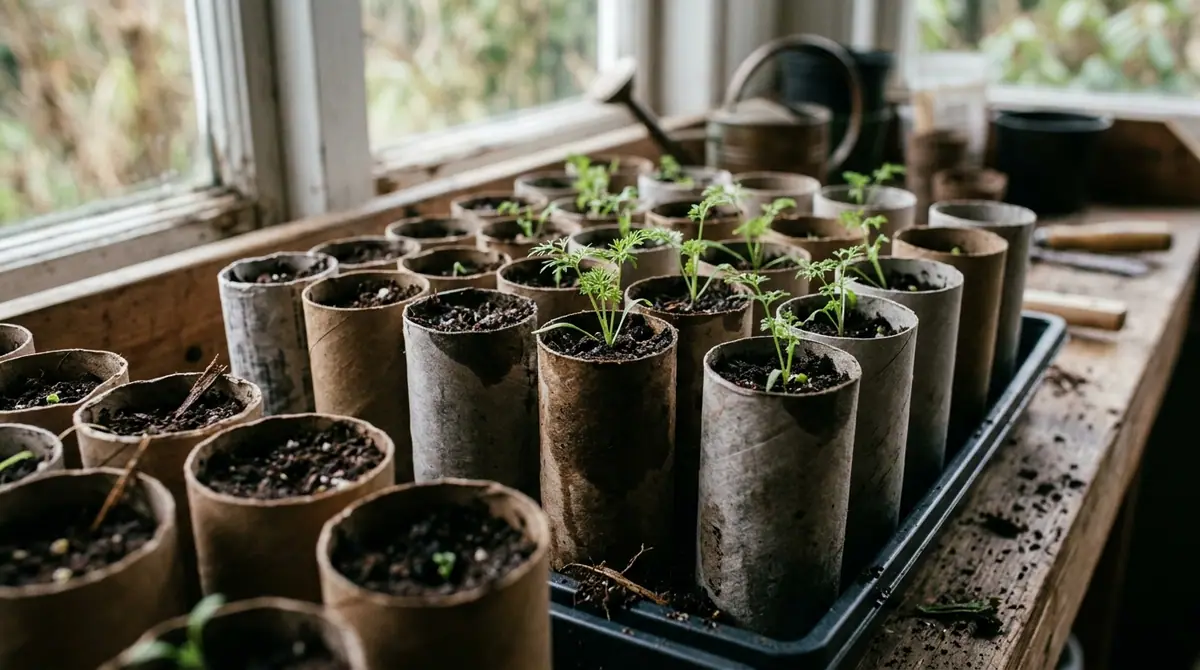
Carrots can surprisingly be started indoors despite typically being a direct-sow crop whose roots prefer to develop undisturbed, making them a staple for early spring indoor gardening alongside tender seedlings of tomatoes, peppers, and herbs.
1. Botanical Overview & Natural Habitat

2. Essential Environmental & Care Requirements
Getting the environment right is paramount when asking can carrots be started indoors. It’s about creating a miniature ecosystem that mimics their preferred conditions, but with controlled variables.
Soil Preparation and Root Health
Healthy plants start below the ground. For indoor carrot cultivation, this means selecting a potting mix that is loose, well-draining, and free of large debris. A blend of high-quality potting soil, compost, and perlite or horticultural sand is ideal. Avoid heavy garden soil, which can compact easily in containers and hinder root development, leading to stunted or misshapen carrots. For container growing, ensure containers are at least 8-12 inches (20-30 cm) deep to allow ample room for taproot elongation. Using a quality potting mix enriched with organic worm castings provides a fantastic slow-release nutrient source and improves soil biology, creating an environment where beneficial microorganisms can thrive. Compacted, waterlogged soils are the enemy of carrot roots, inevitably leading to root rot and fungal pathogens.
Environmental & Climate Optimization
Temperature fluctuations are a significant stressor for young seedlings and can induce shock, halting or significantly slowing growth. Carrots germinate best in soil temperatures between 50°F and 75°F (10°C and 24°C). For indoor starts, aim for a consistent ambient temperature within this range. If you are starting seeds very early in a cool house, a seedling heat mat can be invaluable for maintaining optimal soil temperature, though once germinated, they are generally content at room temperature. Monitor your indoor environment as you would your USDA Plant Hardiness Zone for outdoor gardening – provide appropriate frost protection if you have a greenhouse exposed to chills, or ensure adequate shade netting during extreme summer heatwaves if your indoor space is prone to overheating from direct sun.
Sunlight Requirements
Sunlight is the engine of plant growth. Carrots need plenty of it to develop properly. Indoors, this translates to needing a location that receives at least 6-8 hours of direct sunlight per day. A south-facing window is usually the best bet. If natural light is insufficient, supplemental grow lights are not just recommended, they are essential for robust growth. Full-spectrum LED grow lights positioned about 6-12 inches (15-30 cm) above the seedlings can provide the necessary intensity and duration. Aim for a light cycle of 12-16 hours per day.
Moisture Management
Deep, infrequent irrigation is key to promoting resilient root architecture, both indoors and out. Overwatering is a rampant problem, especially in containers, as it can lead to root rot and fungal diseases. The soil should be kept consistently moist but not waterlogged. Allow the top inch (2.5 cm) of soil to dry slightly between waterings. For seedlings, a gentle watering can with a fine rose or a bottom-watering method is best to avoid disturbing the delicate roots. Checking soil moisture with your finger is the most reliable method.
Nutrient Cycling & Organic Fertilization
While carrots aren't heavy feeders, providing balanced nutrition is crucial for good root development. For the initial stages of root establishment and bud formation, apply a high-phosphorus organic fertilizer. This encourages root growth. As plants mature, transitioning to a potassium-rich kelp meal helps enhance cellular wall strength and improve drought tolerance – valuable traits even for indoor plants. However, it’s critical not to over-fertilize, especially with nitrogen, which can lead to leafy growth at the expense of root development. A balanced liquid organic fertilizer, diluted to half strength, applied every 3-4 weeks after the seedlings have a few true leaves, is usually sufficient.
Here’s a quick look at key parameters for success:
| Parameter | Optimal Condition | Common Mistake | Why It Matters |
|---|---|---|---|
| Soil Type | Loose, well-draining, loamy with good aeration | Heavy, compacted soil or pure garden soil | Prevents root restriction, rot, and ensures nutrient uptake. |
| Soil pH | 6.0 – 6.8 (Slightly acidic to neutral) | Too acidic (< 5.5) or too alkaline (> 7.0) | Affects nutrient availability for the plant. |
| Temperature (Soil Germ.) | 50°F - 75°F (10°C - 24°C) | Too cold (< 50°F) or too hot (> 80°F) | Crucial for seed germination rate and seedling vigor. |
| Temperature (Growth) | 60°F - 70°F (15°C - 21°C) | Extreme fluctuations, prolonged heat (> 80°F) | Promotes steady growth and prevents stress. |
| Light | 6-8+ hours direct sunlight or 12-16 hours grow lights | Insufficient light or short photoperiod | Fuels photosynthesis for energy and root development. |
| Watering | Consistently moist, but not waterlogged | Overwatering or allowing soil to dry out completely | Prevents root rot and ensures steady moisture uptake for root growth. |
| Fertilization | Balanced, with emphasis on phosphorus then potassium | Excessive nitrogen, or no feeding at all | Supports healthy root formation and overall plant resilience. |
| Container Depth | Minimum 8-12 inches (20-30 cm) for most varieties | Containers too shallow | Allows for unimpeded taproot growth, preventing fork or stunting. |
💡 Pro-Tip: For container carrots, consider using a potting mix specifically formulated for root vegetables. These often have a better balance of aeration and moisture retention needed for those long taproots.
3. Step-by-Step Cultivation, Feeding & Propagation
So, can carrots be started indoors? Yes! Here’s how to do it successfully.
- Container Selection: Choose containers that are at least 8-12 inches (20-30 cm) deep. If you plan to grow many plants, consider fabric grow bags or deep plastic pots with good drainage holes. For varieties like 'Nantes' or 'Danvers', shorter containers might suffice, but for true taproot development, depth is key.
- Soil Mix: Fill your containers with a loose, well-draining potting mix. Aim for a blend of potting soil, compost, and perlite or coarse sand. Ensure the mix is free of rocks and large debris that could hinder root growth.
- Sowing Seeds: Carrot seeds are tiny and can be tricky to sow evenly. It’s best to sow them thinly. You can mix them with a little sand to help distribute them more evenly. Plant seeds about 1/4 inch (0.6 cm) deep. Spacing them about 1/2 inch (1.3 cm) apart is a good starting point.
- Watering and Germination: Gently water the soil after sowing. Keep the soil consistently moist but not soggy throughout the germination period. This can take anywhere from 7 to 21 days, depending on temperature. A light misting with a spray bottle can help keep the surface moist without dislodging seeds. You can cover the containers with a clear plastic dome or plastic wrap to help retain humidity, but remove it as soon as germination begins.
- Thinning: This is a CRUCIAL step for carrots. Once seedlings have a few true leaves and are about 1-2 inches (2.5-5 cm) tall, they need to be thinned to a spacing of 2-4 inches (5-10 cm) apart. This allows the remaining carrots enough room to develop their roots. It might feel like you're throwing away perfectly good plants, but it’s essential for the success of the ones you leave behind. Thinning can be done by snipping the weaker seedlings at the soil line with small scissors to avoid disturbing the roots of the remaining plants.
- Light and Temperature: Place the containers in a location that receives at least 6-8 hours of direct sunlight daily or under grow lights for 12-16 hours. Maintain a consistent room temperature, ideally between 60°F and 70°F (15°C and 21°C).
- Watering During Growth: Continue to water deeply but infrequently, allowing the top inch (2.5 cm) of soil to dry out between waterings. Ensure good drainage to prevent waterlogging.
- Fertilizing: Once your carrots have a few sets of true leaves and have been thinned, you can begin a light feeding schedule. About 3-4 weeks after thinning, apply a balanced liquid organic fertilizer diluted to half strength, every 3-4 weeks. Avoid high-nitrogen fertilizers, which encourage leafy growth over root development.
⚠️ Important Caution: Do NOT overwater your carrot seedlings. Soggy soil is a prime breeding ground for fungal diseases like damping-off, which can wipe out your young plants overnight. Always check soil moisture before watering.
4. Common Problems, Pests & Troubleshooting
Even with the best intentions, you might encounter a few hiccups. Understanding common issues helps address them swiftly.
Stunted Growth or Small Roots: This is often due to insufficient light, inadequate container depth, or overcrowding. Ensure your plants are getting enough light (6-8+ hours or 12-16 hours under lights) and that you've thinned them to the correct spacing (2-4 inches apart). If using containers, confirm they are deep enough for the variety you're growing.
Forked or Crooked Roots: This is typically caused by a compacted soil structure, rocks or debris in the soil, or inconsistent watering. When roots hit an obstruction, they can split or grow in strange directions. Using a loose, well-aerated potting mix and ensuring a consistent moisture level can help prevent this. Sudden changes in watering, such as going from very dry to very wet, can also contribute.
Leafy Tops, Small Roots: An excess of nitrogen in the soil encourages lush foliar growth at the expense of root development. Use a balanced fertilizer or one specifically formulated for root vegetables, and avoid high-nitrogen options.
Pests: While less common indoors, common pests like aphids or spider mites can occasionally appear.
- Aphids: These small, green or black insects cluster on new growth. You can often dislodge them with a strong spray of water. For persistent infestations, insecticidal soap or neem oil can be effective.
- Spider Mites: These tiny pests create fine webbing and cause stippling on leaves. They thrive in dry conditions. Increase humidity around your plants and treat with insecticidal soap or neem oil.
Diseases:
- Damping-off: This fungal disease affects seedlings, causing them to rot at the soil line and collapse. It's usually caused by overwatering and poor air circulation. Ensure good drainage and avoid soggy soil. If you see it, remove affected plants immediately and improve conditions for remaining ones.
- Root Rot: As mentioned, this is primarily caused by overwatering and poor drainage. Ensure your containers have adequate drainage holes and avoid letting plants sit in water.

5. Frequently Asked Questions
Can carrots be started indoors from seed?
Yes, absolutely! While carrots are often direct-sown, starting them indoors under lights or in a bright window is a fantastic way to get a head start on the growing season, especially in regions with short summers. Just ensure you provide adequate depth and consistent conditions.
What is the biggest mistake people make when starting carrots indoors?
The #1 issue reported by home gardeners is overwatering and poor container drainage. Carrots need consistent moisture, but they abhor sitting in water. Always check the top 2 inches (5 cm) of substrate before hydrating to avoid root rot and fungal diseases.
How long does it take for carrots started indoors to grow to harvest size?
With proper temperature, photoperiod lighting, and balanced organic feeding, you can expect to see noticeable vigor and healthy development within 10 to 14 days after germination. Harvest times vary by variety, but many Nantes or Chantenay types are ready in 60-75 days from sowing, and shorter varieties even sooner. Indoor growing can sometimes lead to slightly quicker maturity due to controlled conditions.
Is companion planting useful for indoor carrots?
Yes, but it’s often less critical indoors than outdoors. Aromatic companion herbs such as basil, thyme, and marigolds are sometimes cited for their pest-deterring properties outdoors and attracting beneficial pollinators. Indoors, their primary benefit might be their pleasant aroma or aesthetic appeal. For pest control, focus more on environmental controls and hygiene.
Should I start carrots in small seed trays or directly in their final pots?
It’s generally best to sow carrot seeds directly into their final containers. Carrots have a sensitive taproot that doesn't transplant well. Disturbing the roots during transplanting can lead to forked or stunted growth. Sowing directly into deep pots or trays designed for root crops minimizes this risk.
How deep do pots need to be for indoor carrots?
For most common carrot varieties, aim for containers that are at least 8 to 12 inches (20 to 30 cm) deep. For specific shorter or round varieties, you might get away with slightly shallower containers, but deeper is almost always better to allow the taproot to grow unimpeded.
Further Reading
Tags:
🌿 Related Plants You Might Like






PlantSavvyWorld
Editorial team
PlantSavvyWorld is an independent botanical education project. Articles are drafted with AI assistance, then edited and checked against university extension services, botanical garden collections and other published horticultural sources.