

How to Grow Butternut Squash in Small Spaces: Vertical Trellising Secrets
Written with AI assistance, edited and checked against horticultural sources.
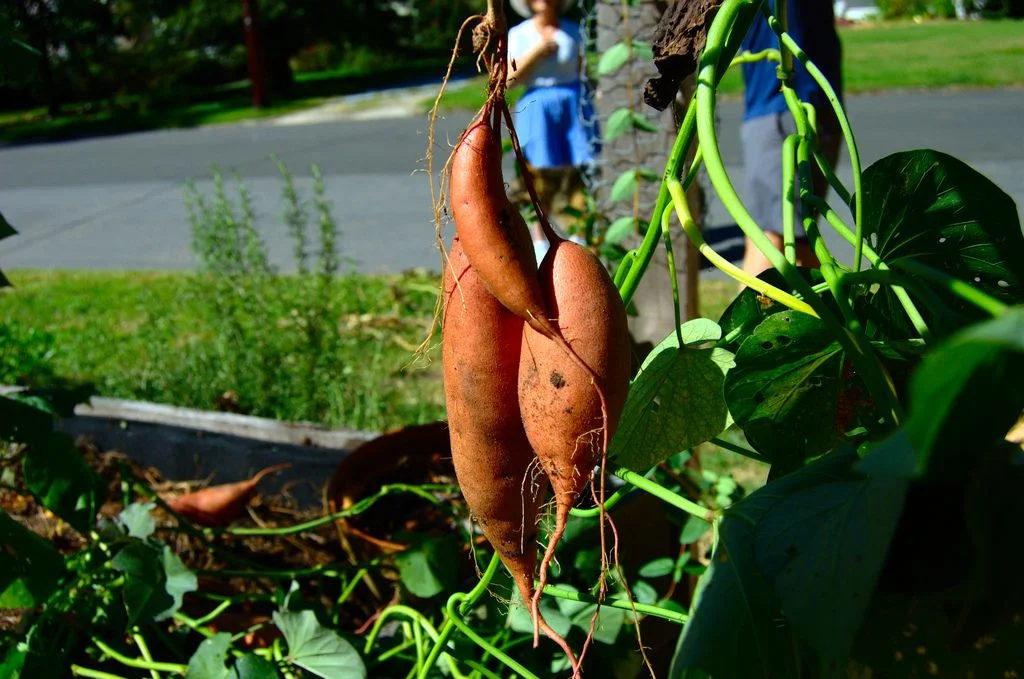
Growing bountiful harvests in small spaces is possible through vertical gardening for butternut squash. The sprawling nature of traditional squash varieties can be overcome by suspending the pear-shaped fruits like lanterns using slings, which saves precious ground space and results in healthier, cleaner squash.

This guide will walk you through the secrets of successful butternut squash cultivation in small spaces, focusing on the power of vertical trellising.
1. Botanical Overview & Natural Habitat
Butternut squash, scientifically classified as Cucurbita moschata, is a cultivar of winter squash. It's a warm-season annual vine that thrives in sunny environments and well-drained soil. Native to the Americas, it has been cultivated for thousands of years, evolving into the nutrient-rich, delicious squash we know today. As a vining plant, its natural tendency is to spread horizontally, sending out long tendrils that root where they touch the ground. This growth habit, while effective for natural propagation and resource gathering in the wild, is precisely what makes vertical gardening such a clever adaptation for limited spaces. The plant’s vigorous growth means it has the inherent capability to climb, and with the right support, it can reach impressive heights, turning a vertical plane into a productive food source. Understanding its botanical roots helps us appreciate its growth potential and how to best support it.
2. Essential Environmental & Care Requirements
To successfully grow butternut squash, especially when going vertical, meeting its environmental needs is paramount. These plants are sun-lovers and need consistent warmth and moisture.
Here's a breakdown of what butternut squash needs to thrive:
| Parameter | Optimal Condition | Common Mistake | Why It Matters |
|---|---|---|---|
| Sunlight | Full sun: 6-8 hours of direct sunlight per day. | Planting in shade or areas with less than 6 hours of direct sun. | Butternut squash needs ample sunlight to photosynthesize, produce flowers, and develop mature, sweet fruit. Insufficient light leads to weak growth, poor flowering, and smaller, underdeveloped squash. |
| Temperature | Soil temperature: 70-85°F (21-29°C) for germination and growth. Air temperature: 65-85°F (18-29°C) during the growing season. | Planting too early in cool soil or experiencing prolonged cold snaps. | Squash is sensitive to cold. Germination is slow and erratic below 65°F (18°C), and frost will kill seedlings. Consistent warmth is essential for rapid growth and fruit development. |
| Soil Type | Well-draining, fertile loam rich in organic matter. PH: 6.0-6.8. | Heavy clay soil that retains too much water, or sandy soil that drains too quickly and loses nutrients. | Good drainage prevents root rot. Fertility provides the essential nutrients for vigorous vine growth and heavy fruit production. Ideal soil pH ensures nutrient availability. |
| Watering | Consistent moisture. Aim for 1-2 inches (2.5-5 cm) of water per week, more in hot, dry weather. Water at the base. | Irregular watering (long dry spells followed by floods) or overhead watering. | Consistent moisture is crucial for healthy growth and fruit development. Inconsistent watering can lead to blossom end rot or stress the plant, making it more susceptible to pests and diseases. Overhead watering can promote fungal diseases. |
| Spacing (Trellised) | Minimal ground footprint, but allow adequate space for vine growth upwards. | Overcrowding the base of the trellis, which restricts airflow and can lead to competition for resources. | Vertical gardening concentrates growth upwards, but the base still needs some breathing room. Overcrowding at the base hinders air circulation, creating a haven for pests and diseases. |
| Support | Sturdy trellis, such as an A-frame cattle panel, capable of supporting significant weight (fruit + vine). | Weak or inadequate support that cannot hold the weight of mature squash and vines. | Butternut squash can produce fruits weighing 3-5 lbs (1.4-2.3 kg) each, and a mature plant can have multiple fruits. A weak trellis will collapse, damaging the plant and fruits. |
💡 Pro-Tip: For vertical butternut squash, consider companion planting with shallow-rooted herbs like basil or marigolds at the base of the trellis. These can deter some pests while not competing heavily for nutrients with the squash. Ensure good airflow remains the priority, so don’t overcrowd the base excessively.
3. Step-by-Step Cultivation, Feeding & Propagation
Growing butternut squash vertically is a rewarding process that requires careful planning and execution. Here's a comprehensive guide:
1. Site Selection and Trellis Setup:
- Choose your spot: Select a location that receives at least 6-8 hours of direct sunlight daily. The soil should be well-draining and rich in organic matter. If your existing soil isn't ideal, consider amending it with compost or using a raised bed.
- Construct your trellis: For butternut squash, a strong A-frame trellis made from heavy-duty metal T-posts and cattle wire panels is ideal. The A-frame design provides stability and ample climbing surface. Position the trellis so it is sturdy and can withstand the weight of mature plants and fruit, typically standing at least 6 feet (1.8 meters) tall. Ensure it’s firmly anchored in the ground. A sturdy structure is vital. The existing article mentions using heavy-duty metal T-posts and cattle wire panels – this is excellent advice due to the weight of the fruit.
2. Starting Seeds or Transplanting Seedlings:
- Direct Sowing: Sow seeds directly into the ground after all danger of frost has passed and the soil has warmed to at least 70°F (21°C). Plant 2-3 seeds per spot, about 1 inch (2.5 cm) deep. Once seedlings are a few inches tall, thin to the strongest one or two plants per spot, spaced about 1-2 feet (30-60 cm) apart at the base of the trellis.
- Starting Indoors: For an earlier start, sow seeds indoors 3-4 weeks before your last expected frost date. Use biodegradable pots to minimize root disturbance when transplanting. Keep them in a warm location (70-80°F / 21-27°C).
- Transplanting: Harden off indoor-started seedlings gradually for about a week before transplanting. Plant them outside after the last frost date, ensuring the soil temperature is consistently above 65°F (18°C).
3. Initial Vine Training:
- Guide the young vines: As soon as the vines start to grow and reach about 1 foot (30 cm) in length, gently guide the main stem upwards onto the trellis. You can loosely tie them to the support with soft twine or fabric strips initially.
- Weave and secure: The existing article correctly states: "Gently weave the growing vine tips through the grid every 3-4 days." This is crucial. As the vine grows, continue to weave its growing tip through the openings in the cattle panel. This encourages the plant to climb and distribute its weight naturally along the structure. Avoid forcing the vine; let it find its way.
4. Watering and Feeding:
- Watering Schedule: Maintain consistent soil moisture, especially during flowering and fruit development. Aim for 1-2 inches (2.5-5 cm) of water per week. Water deeply at the base of the plant to keep the foliage dry and reduce the risk of disease. Avoid overhead watering.
- Fertilization: Butternut squash are heavy feeders.
- At planting: Mix a generous amount of compost into the planting hole.
- Early growth: Once the vines are established and actively growing, feed with a balanced organic fertilizer (e.g., 10-10-10 or similar).
- Flowering/Fruiting: As the plant begins to flower and set fruit, switch to a fertilizer slightly higher in phosphorus and potassium (e.g., 5-10-10 or a tomato/fruit fertilizer). This encourages flowering and fruit development. Apply according to package directions, typically every 4-6 weeks.
5. Pollination:
- Butternut squash produces both male and female flowers. Bees and other pollinators are essential for transferring pollen. If you notice flowers but no fruit setting, you might have a pollination issue. Attracting pollinators to your garden by planting flowering herbs and flowers nearby can help. In very small spaces or during periods of low pollinator activity, you can hand-pollinate by transferring pollen from a male flower to a female flower using a small brush.
6. Fruit Support:
- Monitor fruit development: As fruits begin to form, they will start to hang from the vine. A single butternut squash can weigh between 3-5 lbs (1.4-2.3 kg), and sometimes more.
- Install fruit slings: For fruits hanging high on the trellis, it's essential to provide support to prevent the stem from breaking under the weight. The article wisely suggests: "For heavy squash hanging high on the trellis, use stretchy pantyhose or mesh fruit nets tied to the frame to support the weight and prevent premature stem snapping." Cut old pantyhose into lengths, or use specialized fruit netting, and tie them securely to the trellis frame. Gently cradle the developing squash in the sling, ensuring it is well-supported. Check and adjust the slings as the squash grows.
7. Pest and Disease Management:
- Regular Inspection: Inspect your plants frequently for signs of pests (like squash bugs, vine borers, or aphids) and diseases (like powdery mildew).
- Prevention: Good airflow (thanks to trellising), proper watering, and healthy soil are your best defenses.
- Treatment: Early intervention is key. Handpick larger pests. For aphids, a strong spray of water or insecticidal soap can be effective. For fungal diseases, remove affected leaves promptly and consider organic fungicides.
8. Harvesting:
- Butternut squash is ready to harvest in the fall, typically 90-120 days after planting, depending on the variety.
- Signs of ripeness: The rind will be hard and difficult to pierce with a fingernail. The skin will turn from green to a uniform tan or light brown color. The stem connecting the squash to the vine will start to dry and harden.
- How to harvest: Use a sharp knife or pruning shears to cut the squash from the vine, leaving about 1-2 inches (2.5-5 cm) of stem attached. This stem is important for storage.
4. Common Problems, Pests & Troubleshooting
Even with the best care, you might encounter issues. Here are some common problems and how to address them:
- Powdery Mildew: This common fungal disease appears as white, powdery patches on leaves and stems. It thrives in humid conditions with poor air circulation.
- Solution: Ensure good airflow by not overcrowding plants and by trellising. Water at the base. Remove affected leaves. In severe cases, use an organic fungicide like neem oil or a baking soda spray (1 tablespoon baking soda, 1 teaspoon vegetable oil, and 1 teaspoon liquid soap in 1 gallon of water).
- Squash Bugs and Squash Vine Borers: These are common pests that can decimate a plant. Squash bugs feed on sap, causing yellowing and wilting. Vine borers tunnel into the stem, weakening and eventually killing the plant.
- Solution: Regularly inspect plants, especially the undersides of leaves for squash bug eggs and adults. Handpick them and drop them into soapy water. For vine borers, look for holes in the stem and oozing sap. You can try injecting diluted neem oil into the tunnels or cutting the vine open lengthwise at the infestation site, removing the borer, and then covering the cut with soil to encourage new root growth. Row covers can help protect young plants.
- Blossom End Rot: This typically appears as a dark, sunken spot on the blossom end of the fruit. It's usually caused by inconsistent watering and calcium deficiency.
- Solution: Ensure consistent soil moisture. Avoid letting the soil dry out completely between waterings. Improve soil drainage and consider a calcium supplement if deficiency is suspected.
- Poor Fruit Set (Few or No Squash): This can be due to several factors:
- Pollination Issues: Insufficient pollinators, or a lack of female flowers (which have a tiny squash shape at their base).
- Solution: Attract pollinators with companion plants. Hand-pollinate. Ensure adequate sunlight for flower production.
- Nutrient Imbalance: Too much nitrogen can promote lush vine growth but inhibit flowering and fruiting.
- Solution: Use a balanced fertilizer, and switch to one higher in phosphorus and potassium when flowering begins.
- Temperature Extremes: Very hot or very cold weather can prevent pollination and fruit set.
- Solution: Provide shade during extreme heat if possible. Protect young plants from unexpected cold snaps.
- Vine Not Climbing: The vine might not naturally adhere to the trellis.
- Solution: Gently guide and tie the young vines to the support as described in the cultivation steps. Ensure the trellis is not too smooth or slippery.
⚠️ Important Caution: When treating pests or diseases, always follow product instructions carefully, especially for organic solutions, as they can still harm beneficial insects if misused. Never spray pesticides or fungicides when plants are in bloom and pollinators are active.

5. Frequently Asked Questions
How often should I water my butternut squash on a trellis?
You should aim for consistent moisture, providing about 1 to 2 inches (2.5 to 5 cm) of water per week. The frequency will depend on your climate, soil type, and recent rainfall. On a trellis, the soil can dry out more quickly due to increased sun exposure and airflow, so check the soil moisture by sticking your finger about 2 inches (5 cm) into the soil. Water when the top inch or two feels dry. Always water at the base of the plant.
Can I grow butternut squash in pots on a balcony?
Yes, you can grow butternut squash in pots on a balcony, but it requires careful planning. You'll need very large containers (at least 10-20 gallons or 38-76 liters per plant) with excellent drainage. A strong vertical trellis system is absolutely essential, as the vine will need significant support. Ensure the container is placed in a spot that receives full sun. You’ll also need to be diligent with watering and feeding, as container plants can dry out and deplete nutrients faster than those in the ground.
How do I know when to harvest butternut squash that's hanging from a trellis?
You'll know your butternut squash is ready for harvest when the rind is hard and cannot be easily punctured with a fingernail. The color will typically change from green to a uniform tan or light brown. Additionally, the stem connecting the squash to the vine will begin to dry and harden. It’s best to harvest before the first hard frost. Cut the squash from the vine, leaving about 1-2 inches (2.5-5 cm) of stem attached, as this helps with long-term storage.
My butternut squash has small yellow fruits that fall off. What is happening?
This is a common issue, usually related to pollination or sometimes nutrient imbalances. Butternut squash plants produce both male and female flowers. The female flowers are the ones that can develop into fruit and have a tiny, immature squash shape at their base. If these flowers are not properly pollinated by bees or other insects, they will not develop and will wither and drop off. Ensure your garden has pollinators, or consider hand-pollinating. If you are certain pollination is occurring and still experiencing fruit drop, ensure the plant is receiving adequate nutrients (particularly phosphorus and potassium) and consistent watering. Too much nitrogen can sometimes lead to excessive vine growth at the expense of fruit production.
For further expert advice on vegetable gardening and plant care, I highly recommend consulting resources from university extension services or well-respected horticultural organizations:
Tags:
Keep reading
🌿 Related Plants You Might Like






PlantSavvyWorld
Editorial team
PlantSavvyWorld is an independent botanical education project. Articles are drafted with AI assistance, then edited and checked against university extension services, botanical garden collections and other published horticultural sources.