

Are Onions Heavy Feeders: Expert Gardening Guide & Science-Backed Tips
Written with AI assistance, edited and checked against horticultural sources.
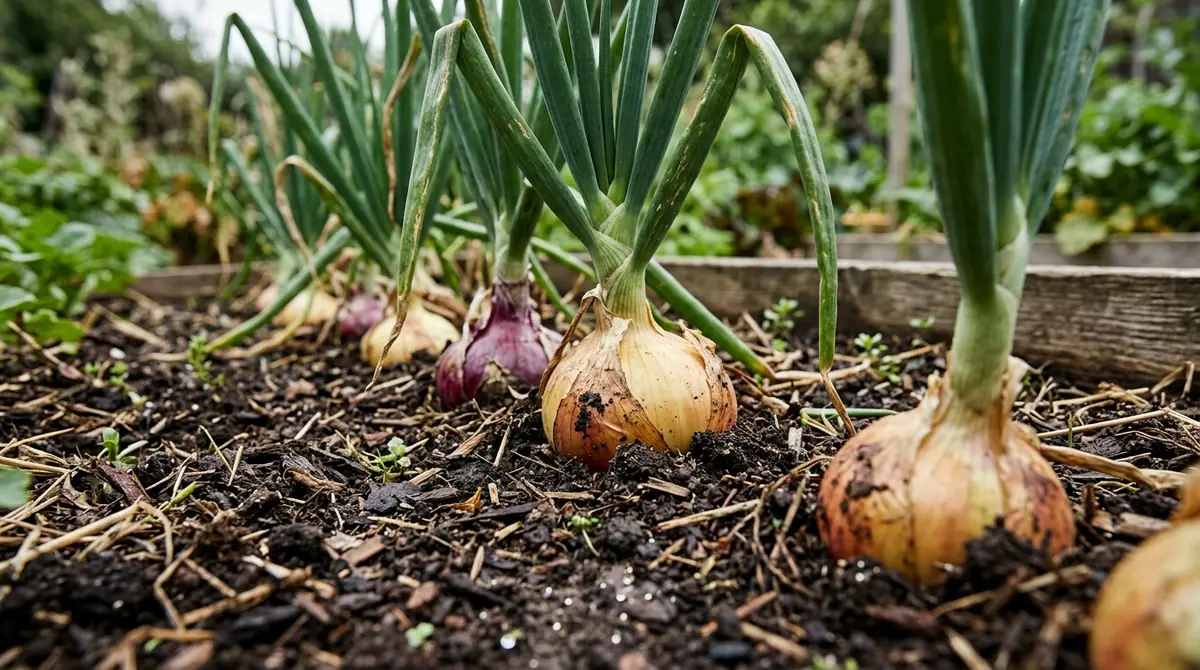
Understanding a plant's nutrient needs is fundamental to its success. When onions fail to size up despite plenty of sun and consistent watering, shifting the feeding strategy based on the science of onion nutrition leads to a dramatic improvement. This addresses the common question: are onions heavy feeders?

1. Botanical Overview & Natural Habitat
Onions (Allium cepa) are a member of the Amaryllidaceae family, a diverse group that also includes garlic, leeks, and chives. Their wild ancestors are believed to have originated in Central Asia, where they grew in arid, well-drained soils. This evolutionary background provides clues to their modern cultivation needs.
In their natural habitat, these ancestral alliums would have benefited from nutrient-rich soils, often found in alluvial plains or mountainous regions with good drainage. They evolved to thrive where they could access moisture when needed but weren't waterlogged, and where soil decomposition provided a steady release of nutrients. This biological heritage dictates their preference for fertile soil and consistent feeding in our gardens today.
The development of the onion bulb is a fascinating process. It's essentially a modified stem, with fleshy leaves storing energy and nutrients. For these leaves to grow large and store sufficient reserves, the plant needs a significant input of essential elements. This is why, when we ask "are onions heavy feeders?", the answer leans strongly towards "yes."
2. Essential Environmental & Care Requirements
Understanding the environmental needs of onions is crucial for supporting their heavy feeding habits. Without the right conditions, even the best fertilizer program will fall short.
Sunlight: Onions are sun-loving plants. They require at least 6 to 8 hours of direct sunlight per day to photosynthesize efficiently and produce the energy needed for bulb development. In hotter climates, some protection from intense afternoon sun during the peak of summer (above 90°F or 32°C) can be beneficial to prevent scorching, but full sun is generally preferred.
Temperature: Onions are cool-season crops, but they perform best with moderate temperatures for bulb formation. Ideal soil temperatures for germination are between 50°F and 70°F (10°C to 21°C). For optimal growth and bulb development, air temperatures ranging from 55°F to 75°F (13°C to 24°C) are generally considered ideal. Significant temperature fluctuations can stress the plant, diverting energy away from growth and towards survival.
Moisture Management: Consistent moisture is key, but not waterlogged conditions. Onions have relatively shallow root systems that need to be kept consistently moist, especially during the critical bulb-forming stages. Aim for 1 to 1.5 inches (2.5 to 3.8 cm) of water per week, either from rainfall or irrigation. Deep, infrequent watering encourages deeper root growth, making the plant more resilient. Allow the top 1 to 2 inches (2.5 to 5 cm) of soil to dry out slightly between waterings to prevent root rot.
Soil pH and Biology: As the original article mentioned, the ideal soil pH for onions is between 6.0 and 6.8. This slightly acidic to neutral range ensures that nutrients are readily available for plant uptake. More importantly, the soil must be rich in organic matter. Healthy soil biology – the teeming world of bacteria, fungi, and other microorganisms – is essential for breaking down organic matter and releasing nutrients in a form that plants can use. This is a critical component of supporting heavy feeders.
| Parameter | Optimal Condition | Common Mistake | Why It Matters |
|---|---|---|---|
| Sunlight | 6-8+ hours direct sunlight | Too much shade, especially during peak growing season | Essential for photosynthesis and energy production for bulb formation. |
| Temperature | 55-75°F (13-24°C) for bulb growth; cool for greens | Extreme heatwaves or prolonged cold snaps | Temperature stress diverts energy from growth to survival, impacting bulb size and quality. |
| Moisture | Consistent, 1-1.5 inches (2.5-3.8 cm) weekly | Overwatering or allowing soil to dry out completely | Consistent moisture supports root development and nutrient uptake; extremes can lead to root rot or stunted growth. |
| Soil pH | 6.0 – 6.8 | Highly acidic or alkaline soils | Affects the availability of essential nutrients in the soil. |
| Soil Structure | Well-drained, loose, rich in organic matter | Compacted, heavy clay, or sandy soils without amendments | Allows for healthy root penetration, aeration, and water/nutrient retention. Prevents root diseases. |
| Nutrient Supply | Ample and balanced throughout the growing season | Under-fertilizing or imbalanced nutrient ratios | Directly supports vigorous foliage growth and the energy reserves needed for substantial bulb development. |
3. Step-by-Step Cultivation, Feeding & Propagation
Growing successful onions, especially given their nutritional demands, follows a clear protocol.
Phase 1: Establishment (Seedling to early vegetative growth)
- Soil Preparation is Paramount: Before planting, amend your garden bed generously. Aim for a soil rich in organic matter – think 2-4 inches (5-10 cm) of well-rotted compost or aged manure incorporated into the top 6-8 inches (15-20 cm) of soil. This not only provides a slow-release nutrient base but also improves soil structure, drainage, and aeration. If your soil tends to be heavy clay, add perlite or coarse sand to improve drainage. For sandy soils, adding worm castings can help with moisture and nutrient retention. This initial soil preparation sets the foundation for supporting heavy feeders.
- Planting: Whether starting from seed or sets, ensure proper spacing. For sets, plant them about 4-6 inches (10-15 cm) apart, with the pointed end facing up, at a depth of about 2-4 inches (5-10 cm). For seeds, follow package directions, typically sowing them about 1/4 to 1/2 inch (0.6 to 1.3 cm) deep.
- Initial Feeding: Once seedlings have emerged (or sets have established roots), begin a feeding regimen. Use a balanced organic fertilizer with a slightly higher phosphorus content (e.g., a 5-10-5 or similar ratio) to encourage strong root development. Apply at half strength, every 2 to 3 weeks, for the first month. This ensures the young plants are building a robust root system capable of taking up nutrients later.
💡 Pro-Tip: For an extra boost during the seedling stage, a diluted compost tea or a liquid fish emulsion applied every other week can provide readily available nitrogen and micronutrients, promoting vigorous initial growth.
Phase 2: Vegetative Growth and Bulb Initiation
- Sustaining Foliage Growth: As the onion plant grows, it needs nitrogen to produce lush, green foliage. Nitrogen is the powerhouse behind leaf production, and large leaves are essential for capturing sunlight and fueling bulb development. Continue fertilizing with a balanced organic fertilizer. If you're seeing excellent leaf growth, you can switch to a fertilizer with a more even N-P-K ratio, or one slightly higher in nitrogen.
- Transition to Bulb Development: Onions typically initiate bulb formation when day length reaches a critical point (long-day onions need around 14-16 hours of daylight, short-day onions need about 10-12 hours). Around this time, you'll want to adjust your fertilization.
- Potassium Boost: As the plant transitions from foliage production to bulbing, a shift towards potassium-rich amendments is beneficial. Kelp meal is an excellent source of potassium, along with numerous micronutrients and growth stimulants that enhance cellular wall strength and improve drought tolerance. Apply kelp meal as a top-dressing around the plants, working it gently into the top inch of soil, or incorporate it into a liquid feed.
Phase 3: Bulb Maturation
- Reduce Watering: As the onion bulbs begin to mature and the outer skins start to dry and crack, gradually reduce watering. This signals to the plant that it's time to stop actively growing and focus on hardening off its bulbs. Overwatering at this stage can lead to bulb rot and poor storage quality.
- Cease Fertilizing: Stop all fertilization about 2 to 3 weeks before you plan to harvest. This allows the plant to absorb any residual nutrients and helps the bulbs cure properly.
Propagation: Onions are primarily propagated through seeds or sets.
- Seeds: Can be started indoors 6-8 weeks before the last frost date or sown directly outdoors once the soil has warmed to at least 50°F (10°C).
- Sets: These are small, immature onion bulbs grown the previous year. They are the easiest and quickest way to grow onions for beginners, offering a faster harvest. Plant them in early spring as soon as the soil can be worked.
4. Common Problems, Pests & Troubleshooting
Even with attentive care, onions can encounter issues. Understanding potential problems helps in swift resolution.
Nutrient Deficiencies: Signs include pale green or yellowing leaves (nitrogen deficiency), purplish or stunted growth (phosphorus deficiency), or weak stems and poor disease resistance (potassium deficiency). Addressing these requires soil testing and targeted organic amendments.
Pests:
- Onion Maggots: Larvae of the onion fly tunnel into bulbs, causing rot. Crop rotation, row covers, and beneficial nematodes can help manage this pest.
- Thrips: Tiny insects that feed on leaves, causing silvery streaks and distorted growth. Encourage natural predators like ladybugs and lacewings, and consider neem oil applications if infestations are severe.
- Aphids: Small, sap-sucking insects that can weaken plants. A strong blast of water or insecticidal soap can be effective.
Diseases:
- Downy Mildew: Appears as purplish lesions on leaves, leading to yellowing and wilting. Good air circulation, avoiding overhead watering, and prompt removal of infected parts are crucial.
- Neck Rot: A fungal disease that affects the bulb neck, especially during storage. Ensure proper curing of harvested onions and avoid damaging them during harvest.
⚠️ Important Caution: Always use organic pest and disease control methods whenever possible. Synthetic pesticides can harm beneficial insects, soil microbes, and potentially contaminate your harvest. Integrated Pest Management (IPM) strategies are always the most sustainable approach.

5. Frequently Asked Questions
What is the biggest sign my onions are not getting enough to eat?
The most common indicator is stunted growth and small bulb development. If your onion plants have weak, thin, or pale green leaves, and the bulbs are not expanding to the expected size by mid-season, they are likely not receiving adequate nutrients to support their heavy feeding requirements.
How do I know if I'm watering my onions too much or too little?
The easiest way is to check the soil moisture. Stick your finger about 1 to 2 inches (2.5 to 5 cm) into the soil near your onion plants. If it feels dry at that depth, it’s time to water. If it feels damp or soggy, you can wait longer. Overwatering often leads to yellowing lower leaves and increased susceptibility to fungal diseases like root rot, while underwatering results in wilting and stunted growth.
Can I just use a general-purpose fertilizer for my onions?
While a general-purpose fertilizer will provide some nutrients, onions benefit from a more tailored approach due to their heavy feeding habits and different needs throughout their life cycle. Using a balanced fertilizer early on for vegetative growth, followed by a potassium-rich amendment as bulbing begins, will yield significantly better results than a single, static fertilizer application. A soil test can help determine specific nutrient deficiencies.
How often should I be fertilizing onions?
For best results, onions should be fertilized every 2 to 3 weeks from the time they establish (about 2-3 weeks after planting sets or sprouting from seed) until about 4 to 6 weeks before harvest. The type of fertilizer can shift, as discussed in the cultivation protocol, from balanced or slightly higher phosphorus early on, to potassium-rich later.
Is it okay to fertilize onions when they are flowering?
Onion plants that are bolting (forming a flower stalk) are diverting energy away from bulb development. While it's not ideal, if you notice a plant bolting, you can continue with light feeding, but focus on ensuring consistent moisture and avoiding stress. The primary goal of fertilizing should be to support vegetative growth and bulb formation, not to fuel flowering.
Growing onions successfully requires understanding their needs, and a key aspect is their classification as heavy feeders. By providing rich soil, consistent moisture, adequate sunlight, and a well-timed feeding regimen, you'll be well on your way to harvesting a bountiful crop of delicious, well-formed onions. Happy gardening!
For more expert gardening advice, I highly recommend consulting resources like Penn State Extension — Gardening and the RHS Gardening Advice sections.
Tags:
Keep reading
🌿 Related Plants You Might Like

PlantSavvyWorld
Editorial team
PlantSavvyWorld is an independent botanical education project. Articles are drafted with AI assistance, then edited and checked against university extension services, botanical garden collections and other published horticultural sources.