Ghost Plant
Graptopetalum paraguayense
1. Botanical Overview & Natural Habitat

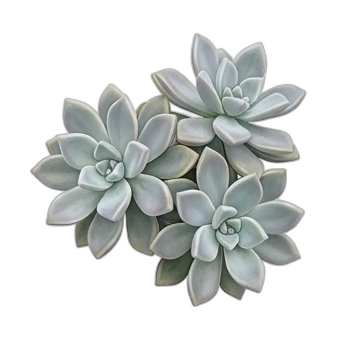
Morphologically, the ghost plant is defined by its fleshy, succulent rosette leaves that accumulate a heavy coating of epicuticular wax—known commonly as farina. This powdery, chalky layer acts as a natural sunscreen and moisture-retentive shield, reflecting harsh ultraviolet rays and preventing excessive transpiration in scorching desert heat. The leaves emerge a pale blue-green or silvery-gray, but environmental stress parameters—such as intense sunlight or cooler temperatures—trigger a stunning color shift into pastel pinks, lavenders, and translucent pearlescent yellows.
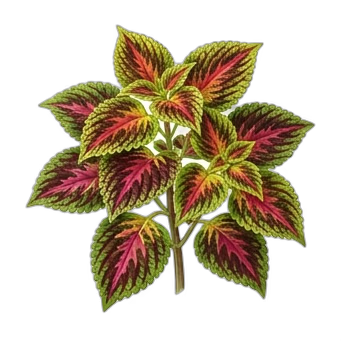
As the rosettes mature on creeping, semi-decumbent stems measuring up to 24 inches (60 cm) in length, they tend to cascade over container edges or rock garden retaining walls. In early spring, mature specimens produce delicate, star-shaped yellow flowers marked with red dots, emerging on slender, branching cymes. For a contrasting texture in succulent landscaping, you might pair its trailing rosettes with the upright, vibrant foliage detailed in our The Complete Guide to Coleus Plants: 50+ Varieties, Care, Propagation & Landscaping, creating a striking juxtaposition of color and growth habit.
2. Essential Environmental & Care Requirements
Mastering Graptopetalum paraguayense cultivation requires mimicking its native cliffside environment. It is remarkably tough, but it has strict tolerances regarding moisture, substrate porosity, and thermal limits.
Light exposure dictates both color and structural integrity. Outdoors, ghost plants demand a minimum of 6 hours of direct sun daily to maintain their compact, stress-colored rosettes. When grown in insufficient light, the stems elongate rapidly in a process called etiolation, stretching out the spacing between leaves and turning a sickly, washed-out green. Indoors, place your plant directly on a south- or west-facing windowsill.
Temperature parameters are broad, but frost is an enemy. The active growing season occurs when daytime temperatures hover between 70°F and 85°F (21°C to 29°C). While mature ghost plants can tolerate brief, light frosts down to 25°F (-4°C) if kept bone dry, sustained freezes will rupture their water-engorged cell walls, turning the foliage to mush. If you live in a region with freezing winters, container cultivation or bringing them indoors before the first autumn freeze is essential.
Watering must follow a strict "soak and dry" methodology. Because their root systems are shallow—often exploring no deeper than 3 to 5 inches (7.5 to 12.5 cm)—they cannot handle sitting in stagnant moisture. Water deeply until liquid runs out of the drainage holes, then allow the substrate to dry out 100% before applying moisture again. During the scorching peak of summer, this may mean watering every 10 to 14 days; in the dormant winter months, stretch this interval to every 4 to 6 weeks.
| Parameter | Optimal Condition | Common Mistake | Why It Matters |
|---|---|---|---|
| Light | 6+ hours of direct sun | Placing in dim indoor corners | Prevents etiolation and preserves farina color |
| Substrate | Gritty cactus/succulent mix | Using dense, organic potting soil | Prevents fatal root rot from water retention |
| Temperature | 70°F–85°F (21°C–29°C) | Exposing to prolonged sub-freezing cold | Freezes cell walls, causing structural collapse |
| Watering | Complete dry-out between drinks | Frequent, shallow sips | Encourages weak root systems and rot |
To deepen your understanding of how substrate depth and pot sizing impact succulent and arid plant root systems, consult our deep-dive analysis on How Deep Do Pepper Plant Roots Go? Pot Size & Substrate Depth Guide. While referring to a different crop family, the foundational principles of container physics, perched water tables, and root zone aeration apply directly to maintaining healthy Graptopetalum roots.
3. Step-by-Step Cultivation, Feeding & Propagation
Propagating and maintaining ghost plants is remarkably straightforward. Because every part of the plant is packed with stored energy and undifferentiated cells, reproduction is practically guaranteed if you follow proper horticultural protocols.
💡 Pro-Tip: Never touch the surface of a ghost plant's leaves with your bare fingers when handling it. The chalky farina coating does not regenerate once rubbed off, leaving permanent fingerprint scars and exposing the tender leaf tissue to sunburn. Always handle rosettes by their stems or use specialized soft-grip tongs.
When repotting or starting new plants from scratch, use a specialized potting mix composed of 50% high-grade organic cactus mix, 30% coarse horticultural pumice or perlite, and 20% expanded shale or poultry grit. This ensures air pockets remain open around the roots, mirroring a natural cliffside fissure.
Propagation Protocol via Leaf Cuttings
- Select and Harvest: Choose plump, undamaged lower leaves from a mature, healthy ghost plant. Gently grasp the leaf base and wiggle it horizontally until it snaps clean off the stem. A clean detachment right at the node is vital; if the leaf tears mid-blade, it will not propagate.
- Callus Formation: Place the harvested leaves in a warm, bright, shaded location out of direct sunlight for 3 to 7 days. This allows the wound at the base of the leaf to form a hard, dry callus, preventing fungal pathogens from entering during rooting.
- Substrate Placement: Lay the callused leaves flat on top of a dry, gritty succulent propagation medium. Do not bury them vertically or water them yet; the leaf requires no external moisture to initiate growth.
- Initial Rooting (Days 14–21): Within two to three weeks, tiny pink roots and miniature rosettes will emerge simultaneously from the callused base. Once these baby roots appear, begin lightly misting the soil surface every 3 to 5 days, or apply a few drops of water directly to the base using a pipette.
- Mother Leaf Absorption (Days 45–60): Over the next several weeks, the original mother leaf will slowly shrivel, turning brown and papery as it transfers all its stored water and nutrients to the growing pup. Do not pull the mother leaf off prematurely; let it detach on its own.
- Transplanting: Once the mother leaf has completely dried up and fallen away, gently lift the independent young ghost plant and pot it into its own individual container using standard succulent soil.
Feeding should be approached with restraint. Graptopetalum paraguayense is adapted to nutrient-poor soils. Feed only during the active spring and summer growing season using a balanced, water-soluble cactus fertilizer diluted to 1/4 strength, applied just once every 6 weeks. Skip fertilization entirely from late autumn through winter. For further reading on botanical classification, historical documentation, and institutional growing standards, you can explore the resources provided by the Royal Botanic Gardens, Kew.
4. Common Problems, Pests & Troubleshooting
Even the toughest succulents encounter environmental stress. Knowing how to diagnose distress signals early prevents minor setbacks from turning into plant loss.
Root rot is the single most destructive issue growers face. It manifests as translucent, yellowing lower leaves that turn mushy, accompanied by a black, rotting stem base. This is invariably caused by overwatering combined with dense, poorly draining soil. To save the plant, immediately cut away all infected, black tissue using a sterile razor blade, moving upward into clean, firm, white-green stem tissue. Allow the cutting to dry and callus for 7 days before restarting it in fresh, dry grit.
Mealybugs are the primary insect pest for ghost plants. These small, cottony-looking insects hide tightly between the overlapping leaves and along the stems, sucking out sugary plant sap. Because their waxy coating repels standard water sprays, combat them by dipping a cotton swab in 70% isopropyl alcohol and touching it directly to every visible pest. For severe infestations, apply a systemic insecticidal soap or horticultural oil, keeping the treated plant out of direct sun until the spray dries to avoid scorching the foliage.
Sunscald occurs when a ghost plant grown indoors or in deep shade is suddenly moved into intense, scorching midday summer sun. The farina melts away, and bleached, brown, or paper-thin sunken patches appear on the exposed upper leaves. While these damaged spots will not heal, the plant will eventually grow new, acclimated rosettes. Always transition indoor plants to outdoor sun slowly over a 2-week period, increasing their direct light exposure by just 1 hour every few days. For additional academic insights on plant pathology and sustainable landscape maintenance, consult the University of California Agriculture and Natural Resources publications.
⚠️ Important Caution: If you maintain an outdoor landscape with free-roaming domestic pets such as cats and dogs, use caution with where you place trailing ghost plant stems. While Graptopetalum paraguayense is widely recognized as non-toxic to household pets, sudden consumption of heavy amounts of fibrous succulent material can still cause mild gastric upset, vomiting, or lethargy in curious animals.

5. Frequently Asked Questions
Why is my ghost plant turning green instead of pink or purple?
Your ghost plant is turning green because it is receiving too little light or an excess of nitrogen fertilizer. Stress colors like pink, lavender, and silvery-lilac are triggered by a combination of high-intensity ultraviolet light and cool nighttime temperatures. Move the plant to a location where it receives at least 6 hours of direct sun daily, and withhold all fertilizer during the autumn months to naturally stimulate color intensification.
Can ghost plants survive outdoors all winter?
It depends entirely on your USDA Hardiness Zone. Ghost plants are fully perennial outdoors only in USDA Zones 9 through 11, where winter temperatures rarely drop below 25°F (-4°C). If you live in a colder climate, freeze warnings will destroy their cell structure. In regions with freezing winters, grow them in containers so they can be easily moved indoors or onto a covered porch before the first autumn frost.
How do I fix a ghost plant that has become tall and leggy?
A leggy ghost plant has stretched out due to insufficient sunlight, leaving long, bare stems with rosettes clustered only at the tips. To fix this, use a clean, sharp blade to chop off the top 2 to 3 inches (5 to 7.5 cm) of the rosette, leaving a short stem on the cutting. Let the cut end callus for 5 days, then plant it in fresh succulent soil to root. Meanwhile, leave the remaining bare stem in its pot; dormant nodes along the stalk will quickly sprout multiple new branches, making your plant bushier than before.
How often should I water my indoor ghost plant?
Water your indoor ghost plant only when the soil has dried out 100% from top to bottom. In a typical indoor environment with normal ambient humidity, this usually translates to every 14 to 21 days during spring and summer, and every 4 to 6 weeks during the winter dormancy period. Always lift the pot; if it feels surprisingly light, it is time for a thorough, deep watering until water runs freely out of the drainage holes.
📋 Table of Contents ▼ Click to expand
Tags: