
Cast Iron Plant
Aspidistra elatior
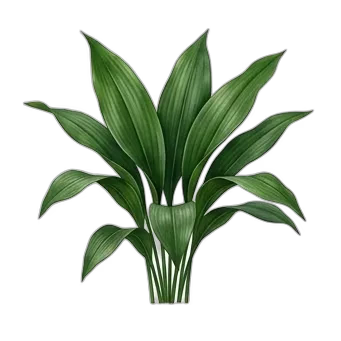
The dark, leathery ribbons of foliage of the Aspidistra elatior remain unblemished, unfazed by sub-zero drafts rattling single-pane glass or the absolute absence of direct sunlight. The cast iron plant is a botanical survivor that quietly outlives neglect, serving as the ultimate architectural anchor for indoor and shady outdoor spaces alike.
1. Botanical Overview & Natural Habitat

Botanically, Aspidistra elatior is an evergreen perennial that grows from a subterranean rhizome system rather than a traditional vertical trunk or woody stem. The foliage emerges directly from these creeping horizontal rhizomes, sending up glossy, lanceolate leaves that typically measure between 12 to 24 inches (30 to 60 cm) in length and 3 to 4 inches (7.5 to 10 cm) in width. In optimal conditions, mature plants reach an overall height of 24 to 30 inches (60 to 75 cm) with an expansive, arching spread.
One of the most fascinating aspects of its natural history is its pollination strategy. Because the forest floor is largely devoid of traditional flying insect pollinators, Aspidistra produces peculiar, fleshy, dull purple or brownish-red flowers sitting directly at the soil surface, pollinated primarily by fungus gnats and terrestrial amphipods crawling through the leaf litter. While these flowers are an unexpected botanical curiosity, they are rarely seen when the plant is grown indoors in containers.
2. Essential Environmental & Care Requirements
While the cast iron plant earns its common name honestly, understanding its physiological limits ensures it transitions from merely surviving to actively flourishing in your home or landscape.
Lighting is the primary arena where growers misjudge this species. While it tolerates deep shade—performing admirably in rooms with only north-facing windows or artificial office illumination—it prefers bright, indirect light. Direct, harsh afternoon sun will scorch its leaves, bleaching the deep emerald blades into an unsightly, papery tan.
Temperature resilience is another major strength. Aspidistra elatior handles indoor temperatures comfortably ranging from 50°F to 85°F (10°C to 29°C). Outdoors, it is reliably winter-hardy in USDA Hardiness Zones 7 through 10, surviving brief temperature drops down to 5°F (-15°C) if heavily mulched, though prolonged freezes will turn the foliage to mush. For those managing complex indoor ecosystems, its tolerance for fluctuating conditions makes it a reliable companion to more delicate species, much like the shade-loving accents you might arrange when planning your The Complete Guide to Coleus Plants: 50+ Varieties, Care, Propagation & Landscaping.
| Parameter | Optimal Condition | Common Mistake | Why It Matters |
|---|---|---|---|
| Light | Bright, indirect light to deep shade | Direct afternoon sun | Direct sun causes irreversible leaf scorch and bleaching. |
| Watering | Allow top 2 to 3 inches (5 to 7.5 cm) of soil to dry out completely | Keeping soil constantly soggy | Overwatering triggers root rot along the rhizomatous network. |
| Soil pH | 5.5 to 6.5 (slightly acidic to neutral) | Heavy, compacted clay | Dense soil traps moisture, asphyxiating the shallow root systems. |
| Humidity | Average indoor humidity (40% to 50%) | Extremely dry HVAC airflow | Low humidity combined with high heat causes brown leaf tips. |
Watering requirements are straightforward: less is almost always more. Because the thick rhizomes store water efficiently, the plant is remarkably drought-tolerant. Allow the top 2 to 3 inches (5 to 7.5 cm) of the substrate to dry completely between watering sessions. When you do water, saturate the root ball thoroughly until excess water drains freely from the pot's bottom, and never let the container sit in standing water.
For further reading on optimal plant physiology and container cultivation standards, consult the Royal Horticultural Society Aspidistra Cultivation Guide or the University of Florida IFAS Extension Foliage Plant Guidelines.
3. Step-by-Step Cultivation, Feeding & Propagation
Establishing a thriving cast iron plant or multiplying your existing collection requires a gentle hand, as the plant resents frequent root disturbance.
Step-by-Step Repotting and Propagation Sequence
- Timing: Select early spring for repotting or division just as seasonal growth initiates. Avoid disturbing the root system during the dormant winter months.
- Unpotting: Gently slide the plant out of its container. If it is root-bound, tap the sides of the pot firmly; never pull violently on the leaf stems, as this can snap the brittle rhizomes.
- Root Inspection: Brush away old, compacted potting mix with your fingers to inspect the rhizomes. Cut away any mushy, blackened, or dead roots using sterilized shears.
- Dividing (Propagation): Using a sharp, sterilized knife, slice cleanly through the rhizome mass. Ensure each division contains at least three to four healthy leaves and a robust section of viable rhizome tissue.
- Substrate Preparation: Prepare a well-draining, nutrient-rich potting medium consisting of 60% standard peat-based potting soil, 20% perlite or pumice for aeration, and 20% horticultural compost.
- Replanting: Plant the divisions at the exact same soil depth they were previously growing at. Planting rhizomes too deeply invites stem rot. Press the soil gently to secure the plant.
- Post-Propagation Care: Water the newly potted divisions lightly to settle the soil, then keep them in bright, indirect shade for 14 to 21 days without any fertilizer while new root hairs establish.
Feeding should be approached with a minimalist philosophy. Apply a balanced, water-soluble foliage houseplant fertilizer diluted to half-strength once every 6 to 8 weeks exclusively during the active growing season (spring through summer). Cease fertilization entirely from October through February when the plant enters its natural rest phase. Excess salts from over-fertilizing quickly accumulate in container soils, leading to marginal leaf burn.
💡 Pro-Tip: When designing interior green spaces, pair your cast iron plant with trailing species that demand similar low-light environments, or use it as a structural backdrop for delicate tropicals. If you enjoy experimenting with diverse plant families across different microclimates—whether managing shade-tolerant indoor foliage or exploring specialized outdoor crops like figuring out How Deep Do Pepper Plant Roots Go? Pot Size & Substrate Depth Guide—always match your container depth to the horizontal spread of the root system.
4. Common Problems, Pests & Troubleshooting
Even the toughest plants display distress signals when pushed past their environmental boundaries. Diagnosing these symptoms early prevents minor setbacks from becoming fatal.
- Brown Leaf Tips: Usually caused by inconsistent watering, overly dry indoor heating, or excessive mineral buildup from fluoridated tap water. Flush the soil thoroughly every 3 months with distilled or rain water to leach out accumulated salts.
- Yellowing Lower Leaves: A natural aging process for older leaves near the base of the plant. However, if multiple leaves turn yellow simultaneously and feel limp, you are likely overwatering, which starves the roots of oxygen.
- Brown or Black Patches on Foliage: Caused by direct scorching sunlight or physical damage. Aspidistra leaves are mechanically fragile; brushing past them frequently in narrow hallways causes cellular bruising that turns black over 48 hours.
- Pest Infestations: Cast iron plants are largely pest-resistant due to their tough, leathery leaf cuticles, but stressed indoor specimens occasionally attract spider mites or scale insects. Wipe down dusty leaves monthly with a damp microfiber cloth to deter pests and maintain optimal photosynthetic capacity.
⚠️ Important Caution: Never use commercial leaf-shine products containing petroleum distillates or heavy oils on Aspidistra elatior. While these products provide a temporary glossy finish, they clog the stomata (gas exchange pores) on the leaf undersides, suffocating the plant tissue and causing rapid leaf drop.

5. Frequently Asked Questions
Why are the leaves on my cast iron plant splitting or tearing?
Mechanical damage is the most frequent culprit. The leaf blades are long and relatively rigid; if placed in a high-traffic hallway or a breezy doorway, constant friction against walls or furniture splits the tissue along the parallel veins. Relocate the plant to a protected, low-traffic zone to preserve its architectural integrity.
Can I grow a cast iron plant outdoors year-round?
Yes, if you live in USDA Hardiness Zones 7 through 10. In Zone 7, site the plant in a sheltered courtyard or beneath a heavy tree canopy where it is protected from freezing northern winds and heavy snow accumulation. In colder zones, bring containers indoors before the first autumn frost drops temperatures below 40°F (4.4°C).
How often should I wipe the dust off the leaves?
Wipe the leaves every 3 to 4 weeks using a soft, damp cloth. Because cast iron plants often inhabit low-light interior spaces, dust accumulation significantly reduces their ability to capture scarce photons, slowing down overall growth and reducing aesthetic appeal.
Is the cast iron plant toxic to cats and dogs?
No, Aspidistra elatior is entirely non-toxic to cats, dogs, and horses, according to the ASPCA. This makes it an exceptional, worry-free choice for pet owners who want lush, tropical interior greenery without risking their animals' safety.
📋 Table of Contents ▼ Click to expand
Tags: