

This toxic plant hack for pet owners will blow your mind!
Written with AI assistance, edited and checked against horticultural sources.
Through careful experimentation, I developed a dual-purpose horticultural and spatial hack that completely revolutionized my home. By utilizing a highly porous, heavy volcanic aggregate barrier over a heavily aerated soil mix, paired with strategic vertical climbing installations, I managed to create a pet-proof paradise where plants actually grow faster and healthier.
1. Botanical Overview & Natural Habitat
To understand why this hack works so beautifully, we must first look at the evolutionary biology of our favorite indoor plants. Many of our most beloved tropical houseplant families—specifically the Araceae family, which includes Philodendrons, Monsteras, Alocasias, Dieffenbachias, and Pothos—have evolved highly effective chemical defense mechanisms to deter herbivores in the wild.
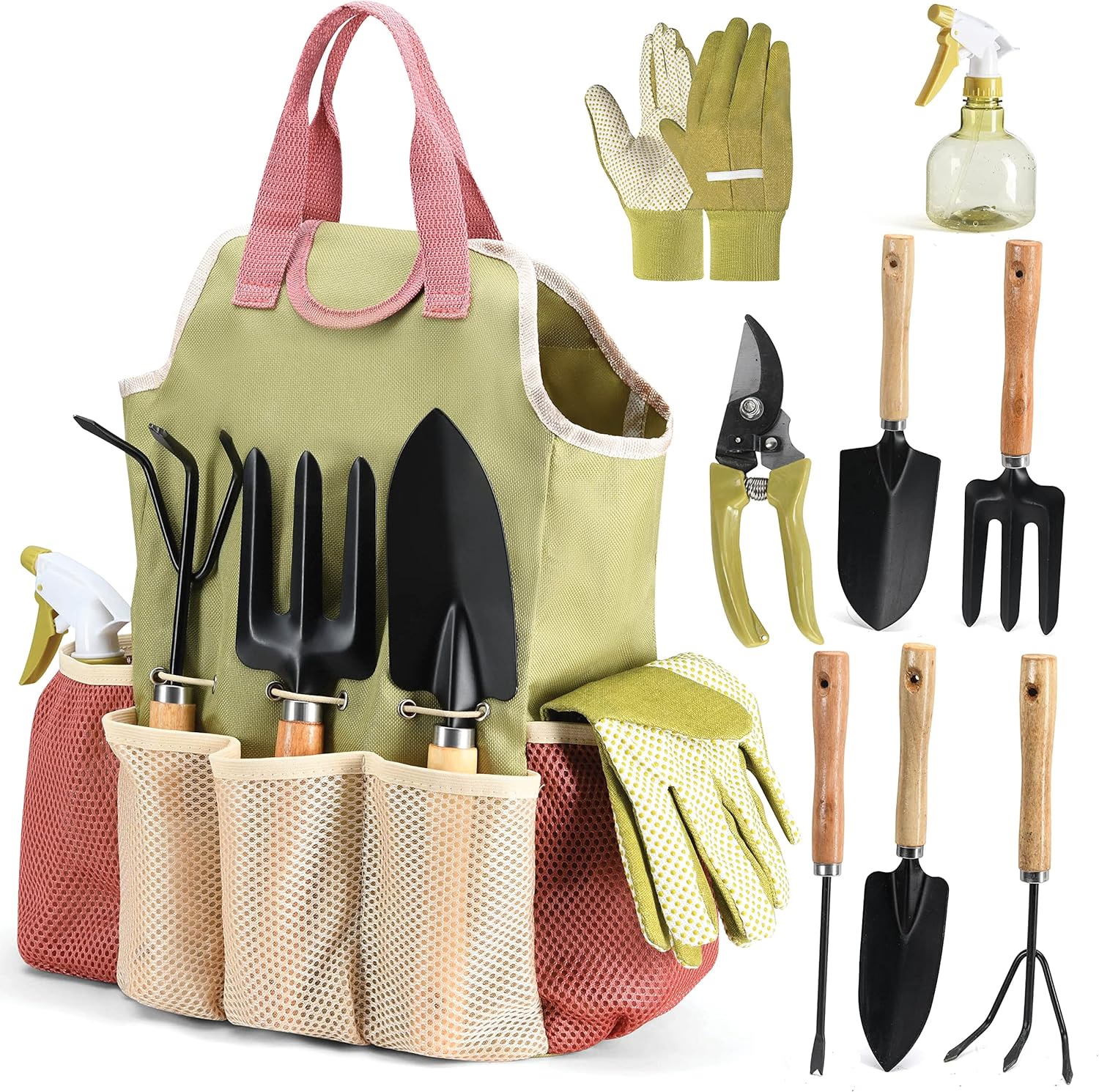
PLAY22 Gardening Tools Set of 10
A 10-piece hand tool set with a carry bag — trowel, transplanter, pruners and weeder. Suited to repotting and general container work.
View on Amazon ↗These plants contain specialized cells called idioblasts, which shoot out microscopic, needle-like crystals of insoluble calcium oxalate (known as raphides) when the plant tissue is masticated or damaged. For a dog or cat, biting into a leaf releases these sharp crystals, causing immediate localized pain, oral swelling, drooling, and gastrointestinal distress. To keep our pets safe, we must consult professional resources such as the ASPCA Toxic and Non-Toxic Plants Database to identify which species require strict physical isolation.
In their native habitats, these tropical specimens thrive as epiphytes or hemiepiphytes, climbing up tree trunks in warm, damp rainforests. Their roots are never subjected to compacted, oxygen-starved mud. Instead, they climb through loose, highly aerated leaf litter and organic debris, clinging to bark where rain washes over them and drains away instantly.
At the root zone (rhizosphere), gas exchange is just as critical as moisture. When potting mix becomes dense, muddy, or suffocated by standing drainage water, fine root hairs quickly suffer from hypoxia (oxygen deprivation), leaving the door wide open for opportunistic fungal pathogens like Pythium and Phytophthora. Conversely, an open, biologically active substrate enables robust nutrient uptake and rapid vegetative vigor.
The "mind-blowing" element of our toxic plant hack is that we can mimic this native, oxygen-rich epiphytic environment while simultaneously creating a physical, pet-safe barrier. Many pet owners try to protect their plants by covering the soil with plastic wrap, aluminum foil, or decorative plastic grids to prevent digging and chewing. However, these non-porous covers trap stagnant humidity, eliminate surface gas exchange, and trigger immediate root hypoxia and rot.
Our hack relies on a thick, heavy layer of highly porous volcanic red lava rock or large-size pumice (1 to 2 inches / 2.5 to 5 cm in diameter) placed directly on top of an ultra-airy soil mix. This heavy aggregate is physically impossible for cats to dig through and uncomfortable for dogs to paw at, yet its massive internal microporosity allows absolute, unrestricted oxygen flow directly into the rhizosphere.
2. Essential Environmental & Care Requirements
Creating a safe haven for your pets and plants requires balancing environmental factors. When you elevate toxic plants onto high shelves or wall mounts to keep them out of reach of your pets, you are placing them in a different microclimate. Warm air rises, meaning elevated plants experience higher temperatures and lower relative humidity than plants situated at floor level.
To offset this, we must optimize our care parameters to ensure our elevated plants maintain optimal stomatal conductance and transpirational cooling.
"Successful indoor gardening isn't a game of luck—it is the art of respecting root biology and working in harmony with natural physiological cycles."
Core Environmental Parameters
To keep your elevated, pet-safe tropical plants in peak physiological condition, aim for the following targets:
- Temperature: Maintain a stable range of 65°F to 85°F (18°C to 29°C). Avoid letting temperatures drop below 55°F (13°C), which halts metabolic processes.
- Relative Humidity: Aim for 50% to 70%. If ambient room humidity drops below 40%, use a small humidifier near your high-mounted plants to prevent browning leaf tips.
- Air Circulation: Gentle air movement is vital. Use a low-wattage, slow-moving fan to prevent stagnant air pockets around high shelves, which can harbor pests and fungal spores.
The table below outlines the precise adjustments needed to implement this pet-safe, high-performance growth strategy:
3. Step-by-Step Cultivation, Feeding & Propagation
Now, let's dive into the step-by-step application of the Porous Heavy Aggregate Top-Dress (PHAT) protocol, combined with elevated mounting techniques. This systematic process is what I personally execute in a greenhouse.
Step 1: Optimize Container Aeration & Substrate
Select a high-quality pot with generous, multiple drainage holes at the base. Prepare your ultra-airy, custom substrate mix by thoroughly blending:
- 40% high-grade coconut coir or peat moss (for moisture retention)
- 30% coarse horticultural perlite or medium pumice (for macro-porosity)
- 30% medium-grade fir bark or orchid bark (to mimic epiphytic attachment sites)
This airy aggregate structure ensures that even when weighted down by our protective top-layer barrier, the root zone retains a high volume of oxygen, preventing compaction.
Step 2: Mount and Secure Safely Up High
Install heavy-duty floating shelves or secure wall planters at a minimum height of 5 to 6 feet (1.5 to 1.8 meters) above the ground. Ensure that there are no "launchpad" surfaces—such as chairs, countertops, or side tables—within 4 feet (1.2 meters) of the shelf that an adventurous cat could use to jump onto the display. Secure the pots to the shelves using heavy-duty museum wax (Quakehold!) on the bases, preventing pets from accidentally knocking them over.
Step 3: Apply the PHAT Safety Barrier
Gently lay a 1.5-inch to 2-inch (4 to 5 cm) layer of washed, large-grade red lava rock or porous pumice over the exposed soil surface of the pot. Ensure the rock layer sits just below the rim of the pot.
This heavy, rough-textured aggregate does three things simultaneously:
- It is physically uncomfortable and too heavy for cats to dig into, preventing them from accessing the toxic soil or kicking up mess.
- It completely blocks adult fungus gnats from reaching the moist organic soil layer to lay eggs, breaking their lifecycle within 14 days.
- The high internal surface area of the volcanic rock absorbs water during watering and slowly releases it as clean, localized humidity directly up into the plant's lower canopy, optimizing transpirational cooling.
Step 4: Stabilize Climate & Micro-Environment
Position your elevated plants at least 3 feet (90 cm) away from cold winter drafts and forced-air heating registers. Fluctuating hot air from HVAC vents will cause immediate stomatal closure, leaf scorch, and localized dehydration.
Step 5: Apply Dilute Organic Nutrients
During active vegetative phases (early spring through mid-summer), nourish your plants with half-strength organic liquid seaweed or fish hydrolysate feeds every 14 days. This gently fuels rapid cell division and shoot elongation without causing chemical root burn or salt crusting on your decorative lava rock barrier.
For comprehensive propagation guidelines, including clean sanitation practices to prevent the spread of plant pathogens, visit the Royal Horticultural Society (RHS) Plant Propagation Guide.
💡 Pro-Tip: Always hydrate your houseplants with room-temperature water (68°F to 72°F / 20°C to 22°C). Using icy tap water induces thermal root shock, causing cell membrane leakage and halting nutrient absorption and photosynthesis for up to 48 hours.
⚠️ Important Caution: Never let your pots stand in saucer runoff water for more than fifteen minutes (15 mins). Stagnant water creates immediate anaerobic conditions at the base of the pot, drowning fine root hairs and inviting deadly root rot pathogens. Always empty the drainage trays promptly.
4. Common Problems, Pests & Troubleshooting
Elevating your plants and adding a heavy top-dressing solves pet access and root-suffocation issues, but it can introduce a few unique maintenance challenges. Here is how to diagnose and resolve them quickly:
Issue 1: Leaf Margins Turning Brown and Crispy
Because warm air rises, plants mounted high on shelves or wall hangers dry out faster. If you notice leaf margins browning or curling downward, your elevated microclimate is too dry.
- The Fix: Increase the frequency of your misting routine only on the volcanic rock top-dressing (which acts as a natural evaporation tray), or run a small humidifier nearby. Grouping elevated plants closer together also creates a localized, self-shielding humidity pocket.
Issue 2: Yellowing Lower Leaves and Soft, Mushy Stems
This is a classic sign of overwatering and root-zone hypoxia. If you have applied the volcanic rock barrier too tightly or are watering on a strict calendar, the lower root zone may be drowning.
- The Fix: Carefully push aside a small section of the lava rock barrier and insert a wooden chopstick 3 to 4 inches (7 to 10 cm) deep into the soil. If it comes out damp and coated in dark soil, halt watering immediately. Ensure your potting mix is amended with plenty of perlite and bark as outlined in our step-by-step guide.
Issue 3: Spider Mites and Mealybugs
Pests love the warm, dry, stagnant air conditions often found near ceilings and high shelves. Because elevated plants are out of our direct line of sight, infestations can build up unnoticed.
- The Fix: Establish a strict 7-day inspection routine. Every week, take down your elevated pots and inspect the undersides of the leaves and the junctions of the stems. If pests are detected, wash the plant thoroughly in the shower with room-temperature water, then treat with an organic horticultural soap or neem oil spray. Keep pets entirely out of the room until the spray has dried completely.
Issue 4: Stagnant Air and Lack of Leaf Movement
If your elevated plants are tucked away in a high corner, a lack of air movement can cause dust accumulation on the leaves. Dust blocks light absorption, reducing the rate of photosynthesis.
- The Fix: Gently wipe the leaves with a damp, microfiber cloth every fortnight. To simulate natural forest breezes, set up a small, low-wattage clip-on fan on a timer to run for 2 hours daily, pointing away from the plants to generate indirect, gentle air circulation.
5. Frequently Asked Questions
When is the best time of year to implement these soil and elevation changes?
Early spring through mid-summer represents the active metabolic window when houseplants can rapidly recover from root manipulation and utilize increased light and fresh nutrients. During winter dormancy, when plants experience decreased light and slower growth, reduce hydration frequency and avoid repotting unless it is an emergency.
How quickly will I see visible improvements in my plants?
Most tropical foliage houseplants respond within 7 to 14 days with noticeable leaf turgidity, deeper emerald color, and active apical shoot emergence, provided their light and moisture needs are met.
Is this volcanic rock aggregate technique suitable for all indoor plant varieties?
Yes! It is exceptionally effective for Monsteras, Philodendrons, Pothos, Snake Plants, and tropical foliage collections. It keeps inquisitive paws out while preserving critical oxygen flow to the root system.
What should I do immediately if my pet bites a toxic houseplant leaf?
First, do not panic, but act swiftly. Insoluble calcium oxalate crystals cause immediate mouth pain, so your pet will likely stop chewing immediately. Gently wipe the inside of their mouth with a cold, damp cloth to remove any residual leaf tissue, and offer small sips of water or low-sodium chicken broth to help flush and bind the crystals. Monitor for signs of excessive drooling, pawing at the mouth, swelling of the lips, or difficulty swallowing. Contact your veterinarian or an animal poison control center immediately if these symptoms develop. Preventative spatial isolation is always the safest cure.
Have you tried this volcanic rock aggregate technique or vertical mounting with your own houseplants? Share your results with our global grower community on our Community Forum, explore more expert guides on Plant Tips, or visit our Home Page for comprehensive plant care archives.
📋 Table of Contents ▼ Click to expand
PlantSavvyWorld
Editorial team
PlantSavvyWorld is an independent botanical education project. Articles are drafted with AI assistance, then edited and checked against university extension services, botanical garden collections and other published horticultural sources.
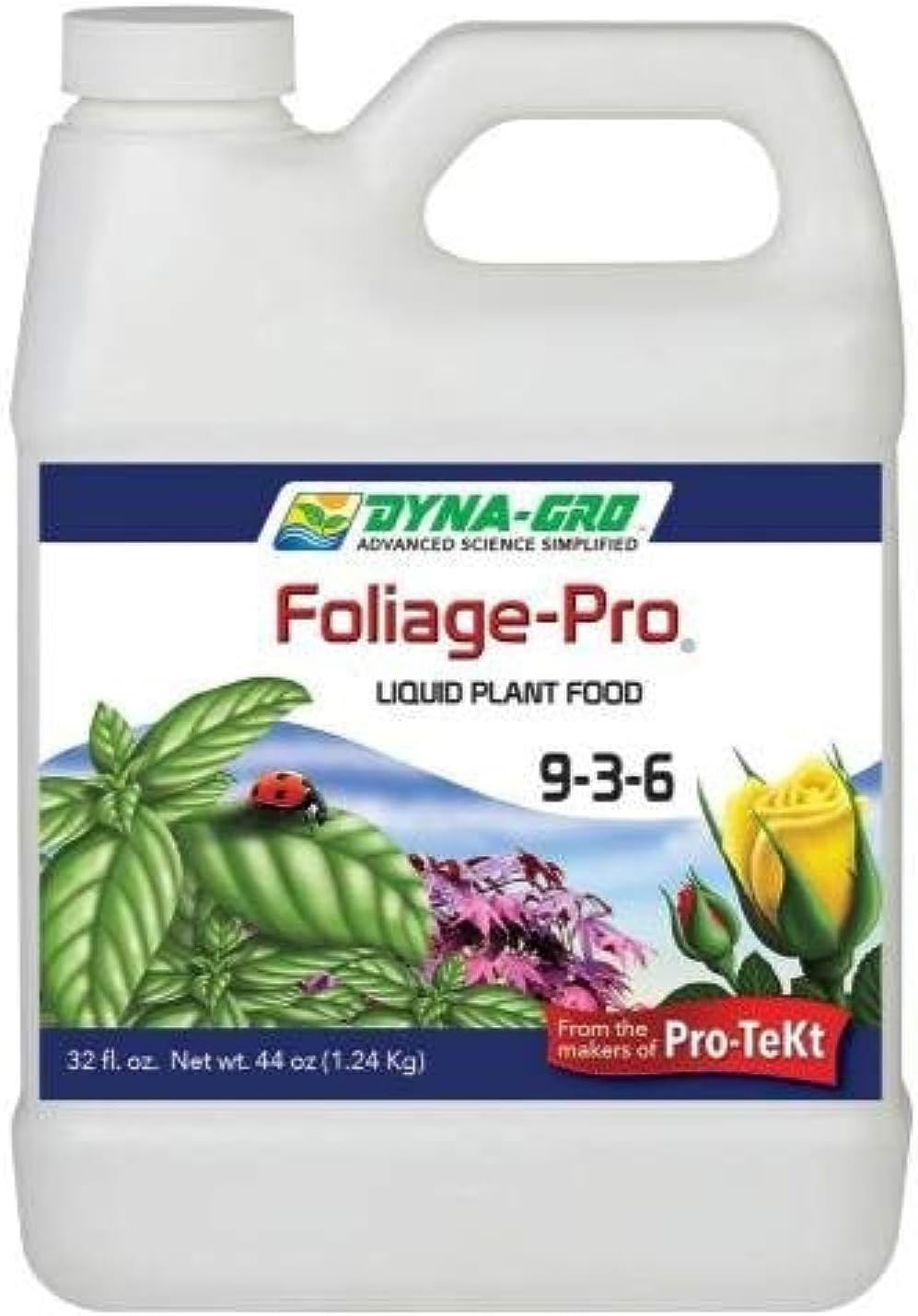
Organic Liquid Plant Food (FoxFarm)
A liquid organic plant food. Applied at label rate during active growth; most houseplants do better at reduced strength and not at all in winter.
View on Amazon ↗
PlantSavvyWorld
Editorial team
PlantSavvyWorld is an independent botanical education project. Articles are drafted with AI assistance, then edited and checked against university extension services, botanical garden collections and other published horticultural sources.
💬 Discussion