


My Azaleas have NEVER bloomed like this until I...
Written with AI assistance, edited and checked against horticultural sources.
Applying rigorous observations to containerized florist azaleas and sweeping landscape cultivars transforms their growth. Azaleas bloom exceptionally well by abandoning rigid watering calendars, avoiding standard heavy potting soil, and treating roots as highly specialized organs.
If you have struggled with bud drop, yellowing leaves, or lackluster spring displays, this botanical guide will transform your approach to cultivating these spectacular members of the genus Rhododendron.
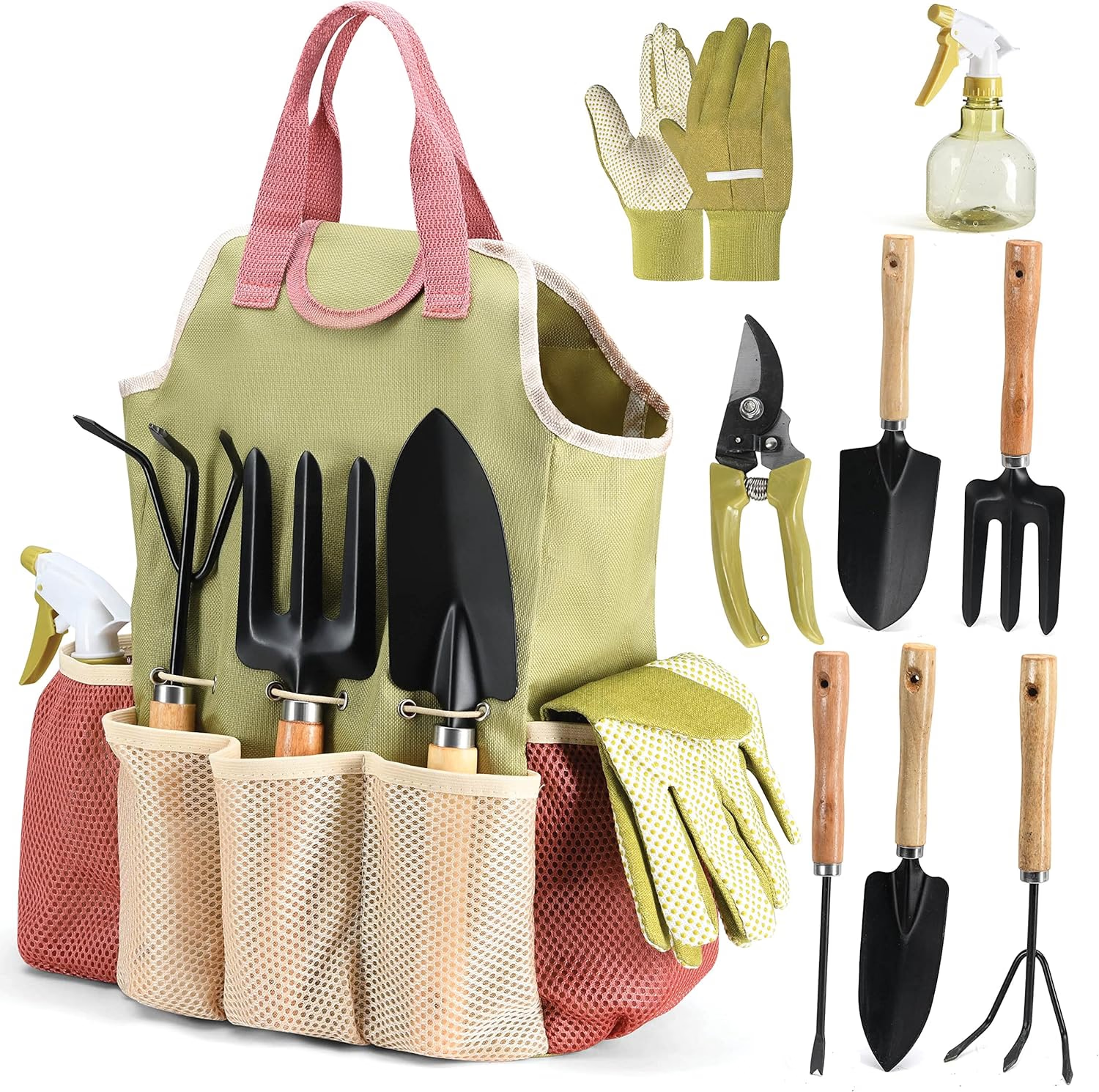
PLAY22 Gardening Tools Set of 10
A 10-piece hand tool set with a carry bag — trowel, transplanter, pruners and weeder. Suited to repotting and general container work.
View on Amazon ↗1. Botanical Overview & Natural Habitat
Azaleas are not typical garden shrubs; they are specialized understory plants belonging to the genus Rhododendron (subgenus Pentasthera for deciduous varieties and Tsutsusi for evergreen varieties). In their native habitats across Asia, Europe, and North America, azaleas thrive in highly distinct ecological niches. They populate the forest floor, mountain slopes, and stream banks where the soil is intensely acidic, consistently moist, and rich in partially decomposed organic matter.
Understanding this natural habitat is the key to unlocking their blooming potential. Unlike many woody ornamental plants that possess deep taproots, azaleas have an incredibly shallow, fibrous root system. Their roots are hair-thin and concentrate primarily in the top 6 to 12 inches (15 to 30 cm) of soil. Because of this shallow architecture, they lack the ability to plunge deep into the earth to escape drought or seek out oxygen during soil compaction.
At the root zone (rhizosphere), gas exchange is just as critical as moisture. When potting mix becomes dense, muddy, or suffocated by standing drainage water, fine root hairs quickly suffer from hypoxia (oxygen deprivation), leaving the door wide open for opportunistic fungal pathogens like Pythium and Phytophthora. Conversely, an open, biologically active substrate enables robust nutrient uptake and rapid vegetative vigor.
Furthermore, azaleas rely on a highly specialized symbiotic relationship with ericoid mycorrhizal fungi. These microscopic organisms colonize the cortical cells of the plant's roots, stretching their hyphae into the surrounding substrate to gather phosphorus, nitrogen, and micronutrients that would otherwise be unavailable in highly acidic environments. When you damage the soil structure or use synthetic chemicals that kill these beneficial fungi, you directly compromise the plant's vascular health and subsequent flower production.
"Successful indoor gardening isn't a game of luck—it is the art of respecting root biology and working in harmony with natural physiological cycles."
Whether you are growing an indoor florist azalea (Rhododendron simsii) on a cool windowsill or managing a border of Kurume azaleas (Rhododendron obtusum) in your landscape, this fundamental biological law remains identical: protect the rhizosphere, and the blooms will follow.
2. Essential Environmental & Care Requirements
To coax your azaleas into a dense, blanket-like explosion of blooms, you must replicate the key variables of their native woodland environments. This involves managing light quality, temperature swings, soil hydrology, and chemical acidity with scientific precision.
The Lighting Spectrum and Photoperiod
Azaleas are adapted to filtered, dappled shade. In the landscape, 4 to 6 hours of morning sunlight followed by dappled afternoon shade is the ideal exposure. Direct, scorching afternoon sun (especially in temperatures exceeding 85°F / 29.4°C) degrades chlorophyll, damages leaf cuticles, and causes the delicate petals to scorch and drop prematurely. Conversely, deep, heavy shade results in weak, leggy stems and a dramatic reduction in flower buds, as the plant cannot produce enough sugars via photosynthesis to fuel reproduction.
Temperature and Chilling Hours
One of the most common reasons azaleas fail to bloom is a lack of proper winter temperature cues. Both hardy landscape azaleas and tender florist varieties require a period of cool temperatures to trigger flower bud initiation and break bud dormancy.
- Landscape Varieties: Need to experience natural autumn cooling. Bud development begins in late summer, and the buds mature as temperatures drop below 50°F (10°C) in the autumn.
- Indoor Florist Azaleas: Require a chilling period of 6 to 8 weeks in late autumn where temperatures are kept consistently between 40°F and 55°F (4.4°C to 12.8°C). Without this cool rest, buds will remain dormant or dry up and fall off (a physiological disorder known as "bud blast").
Soil Chemistry: The Crucial pH Factor
Azaleas are strict acidophiles. They require a soil pH strictly between 4.5 and 5.5. When soil pH climbs above 6.0, a physiological lock-out occurs. At higher pH levels, iron becomes chemically bound to soil particles and is completely insoluble to the plant's root hairs. This prevents the synthesis of chlorophyll, leading to severe iron chlorosis, stunting, and a complete absence of flower buds.
3. Step-by-Step Cultivation, Feeding & Propagation
If you want to witness your azaleas covered in so many blooms that you can no longer see the foliage, you must implement this systematic, scientifically sound cultivation protocol. This is the exact routine I follow in a greenhouse and recommend to all our Home Page members.
Step 1: Optimize Container and Root Zone Aeration
Before planting or repotting, you must address the physical structure of the substrate. If you are planting in containers, select pots with generous drainage holes. Never use standard, heavy garden loam. Instead, build an open, ericaceous-friendly mix:
- 40% organic peat moss or coconut coir (to maintain acidity and moisture)
- 30% composted pine bark or orchid bark aggregate (for structure and acidity)
- 30% coarse perlite or horticultural pumice (to ensure macro-pore space and prevent compaction)
For landscape planting, dig a shallow, wide hole (twice as wide as the root ball but no deeper). Elevate the crown of the azalea 1 to 2 inches (2.5 to 5 cm) above the surrounding soil level to ensure excess water drains away from the sensitive stem base, preventing crown rot.
Step 2: Stabilize Climate & Micro-Environment
Azaleas are highly sensitive to rapid fluctuations in humidity and wind.
- For Indoor Plants: Position them at least 3 feet (91 cm) away from cold winter drafts, air conditioning vents, and forced-air heating registers. Use a humidifying tray filled with pebbles and water to maintain relative humidity above 50%.
- For Landscape Plants: Apply a 2-to-3-inch (5 to 7.6 cm) layer of organic pine needle or shredded oak leaf mulch over the root zone. This mimics the forest floor, insulates the shallow root system from extreme soil temperatures, and dramatically reduces evaporation rates. Keep the mulch 1 inch (2.5 cm) away from the main woody stem to prevent bark rot.
Step 3: Apply Dilute Organic Ericaceous Nutrients
Azaleas are light feeders; over-fertilizing with synthetic high-nitrogen fertilizers is a swift way to kill their delicate root hairs and promote leggy green growth at the expense of flowers.
- Apply fertilizer only during their active vegetative growth phase, which starts immediately after they finish blooming in spring and ends in mid-summer.
- Use an organic, slow-release fertilizer formulated specifically for acid-loving plants (ericaceous fertilizer).
- For container plants, apply a half-strength organic liquid seaweed or fish emulsion feed once every 14 days. Stop all fertilization by late summer (typically August) to allow the plant to harden off and direct its energy into forming next spring's flower buds.
Step 4: Master the Watering Method
Watering is where most growers fail. To understand how to water, we must look at the physical properties of water temperature and soil hydrology.
💡 Pro-Tip: Always hydrate your plants with room-temperature or tepid water (65°F to 72°F / 18°C to 22°C); icy tap water induces thermal root shock and halts nutrient absorption for hours. For acid-loving azaleas, using collected rainwater is highly superior to municipal tap water, which is often chemically treated with calcium carbonate (lime) that gradually raises the soil pH over time.
When watering, soak the substrate completely until water flows freely out of the drainage holes, ensuring that all soil particles are rehydrated and any accumulated fertilizer salts are flushed out. Then, wait to water again until the top 1.5 inches (3.8 cm) of the substrate feels dry to the touch.
⚠️ Important Caution: Never let pots stand in saucer runoff water for more than fifteen minutes; stagnant water creates anaerobic conditions that rapidly cause root rot. In azaleas, this waterlogging quickly invites water molds like Phytophthora cinnamomi, which can kill an otherwise healthy shrub in a matter of weeks.
Step 5: Post-Bloom Pruning and Propagation
To increase flower density for the following year, prune your azaleas immediately after they finish flowering in the spring. Azaleas set their flower buds for the next year in mid-to-late summer. If you prune them too late (past mid-July), you will cut off all of next year's blooms. Trim back leggy growth to a lateral node to encourage a bushy habit; more branches mean more terminal tips, which translates directly to more flower buds.
If you wish to propagate your favorite azalea:
- Take a 4-to-6-inch (10 to 15 cm) semi-ripe cutting in early summer.
- Dip the cut end in organic rooting hormone.
- Insert it into a moist, sterile mix of 50% peat moss and 50% perlite.
- Keep the cutting under a clear plastic dome in bright, indirect light. Rooting typically occurs within 6 to 8 weeks.
For comprehensive details on propagating woody ornamentals, refer to the RHS Guide on Propagating Shrubs.
4. Common Problems, Pests & Troubleshooting
Even with meticulous care, azaleas can occasionally face challenges. Recognizing the physiological signs of distress early can mean the difference between saving your plant and losing it.
Iron Chlorosis (Yellowing Leaves with Green Veins)
- Symptom: The youngest leaves at the tips of the branches turn a pale yellow or creamy white, but the network of veins remains dark green.
- Cause: Soil pH has drifted above 5.5, locking up iron, or the roots are damaged from overwatering and cannot absorb nutrients.
- Remedy: Check the soil pH immediately. If it is too high, top-dress the soil with elemental sulfur or water with an organic soil acidifier. To provide immediate relief, spray the foliage with a diluted liquid chelated iron solution.
Bud Blast and Flower Drop
- Symptom: Flower buds form in late summer, but during winter or early spring, they turn dry, papery, brown, and fall off without opening.
- Cause: Low humidity, drafty indoor conditions, thermal root shock from icy water, or severe drought during the critical bud-swelling phase.
- Remedy: Monitor soil moisture closely during late winter. Increase ambient humidity to at least 50% using a humidifier or humidity tray. Ensure the plant is protected from drying winter winds.
Azalea Lace Bug (Stephanitis pyrioides)
- Symptom: The upper surface of the leaves becomes stippled with tiny yellow or gray spots, while the undersides of the leaves are covered in unsightly black, varnish-like waste spots.
- Cause: Lace bugs are sap-sucking insects that thrive on stressed azaleas, particularly those grown in too much direct sunlight.
- Remedy: Release beneficial predatory insects like lacewings, or treat the undersides of the leaves with insecticidal soap or organic horticultural neem oil during the early morning hours.
Phytophthora Root Rot
- Symptom: The foliage loses its glossy sheen, turns dull green or yellow, wilts rapidly despite wet soil, and the wood beneath the bark near the soil line displays a reddish-brown discoloration.
- Cause: Anaerobic, waterlogged soil conditions allowing Phytophthora fungi to multiply.
- Remedy: Unfortunately, once the vascular system is fully compromised, the plant cannot be saved. Prevent this by planting in highly aerated substrates, utilizing raised beds in heavy clay soils, and never letting pots sit in water.
For diagnostic support and regional pest alerts, check the Clemson University Cooperative Extension Land and Garden Database, which offers incredible, scientifically vetted resources on native and ornamental azalea pests.
5. Frequently Asked Questions
When is the best time of year to implement these changes?
Early spring through mid-summer represents the active metabolic window when plants can rapidly utilize increased light and fresh nutrients. During winter dormancy, reduce hydration frequency accordingly, and avoid applying any fertilizer, as the roots are not actively uptaking nutrients and are highly susceptible to chemical burn.
How quickly will I see visible improvements?
Most foliage houseplants and containerized azaleas respond within 7 to 14 days with noticeable leaf turgidity, deeper green color, and active apical shoot emergence. However, the dramatic flower bud formation will become obvious during their natural blooming and budding cycles in spring and late summer.
Is this technique suitable for all indoor plant varieties?
Yes! While this guide is specifically tailored to the acidic, shallow-rooted requirements of Azaleas and Rhododendrons, the core principles of root aeration, avoiding thermal water shock, and protecting the rhizosphere are exceptionally effective for Monsteras, Philodendrons, Pothos, Snake Plants, and tropical foliage collections.
My azalea is blooming, but the leaves are falling off. What am I doing wrong?
This is typically a classic symptom of underwatering or sudden environmental shock. When an azalea is subjected to severe drought, it prioritizes keeping its moisture-rich flowers alive by shedding its leaves to reduce transpirational water loss. Ensure the soil stays consistently damp (like a wrung-out sponge), and avoid exposing the plant to sudden drafts or rapid temperature drops.
Have you tried this technique with your own garden or indoor azaleas? Share your results with our global grower community on the Community Forum, explore more expert guides on Plant Tips, or visit our Home Page for comprehensive plant care archives.
📋 Table of Contents ▼ Click to expand
PlantSavvyWorld
Editorial team
PlantSavvyWorld is an independent botanical education project. Articles are drafted with AI assistance, then edited and checked against university extension services, botanical garden collections and other published horticultural sources.
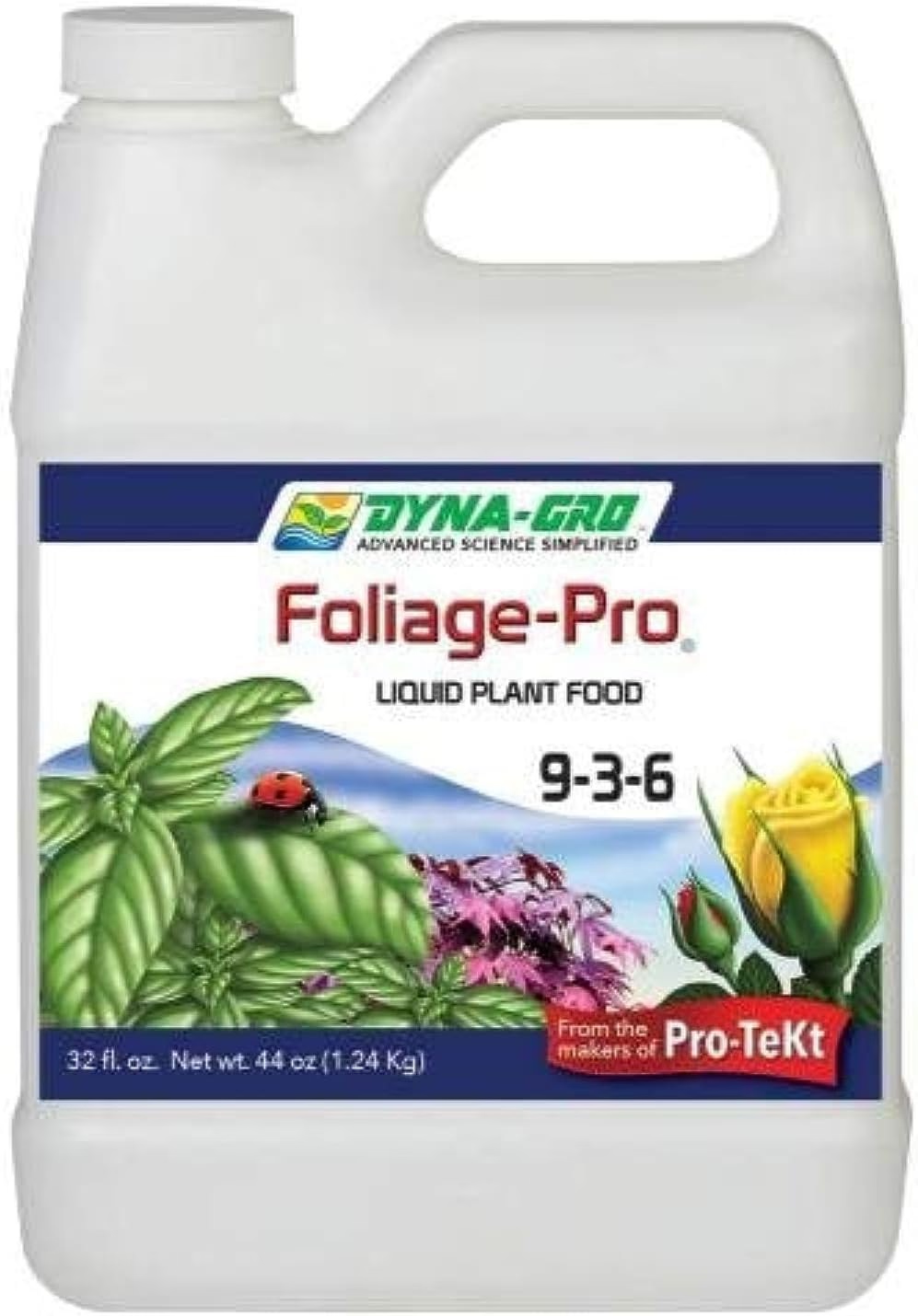
Organic Liquid Plant Food (FoxFarm)
A liquid organic plant food. Applied at label rate during active growth; most houseplants do better at reduced strength and not at all in winter.
View on Amazon ↗
PlantSavvyWorld
Editorial team
PlantSavvyWorld is an independent botanical education project. Articles are drafted with AI assistance, then edited and checked against university extension services, botanical garden collections and other published horticultural sources.
💬 Discussion