


STOP what you're doing! Your plant pest problem has a SECRET weapon you're not using!
Written with AI assistance, edited and checked against horticultural sources.
We often focus so intently on the aerial parts of our plants – the leaves, stems, and flowers – that we neglect the foundation upon which all life and vigor are built: the roots. This overlooked realm is often the silent culprit behind many common plant problems that we mistakenly attribute to external pests.
The Unseen Realm: Your Plant's Secret Weapon is Below the Surface
The root zone, or rhizosphere, is a bustling microcosm of biological activity. It's where plants anchor themselves, absorb water and essential nutrients, and crucially, where they respire. Respiration is as vital for roots as photosynthesis is for leaves. Roots need oxygen to function, to absorb minerals, and to defend themselves against pathogens. When this zone becomes compromised, the entire plant suffers, making it susceptible to problems that can mimic pest damage or outright invite disease. This is where your "secret weapon" truly lies: in understanding and optimizing this subterranean world.
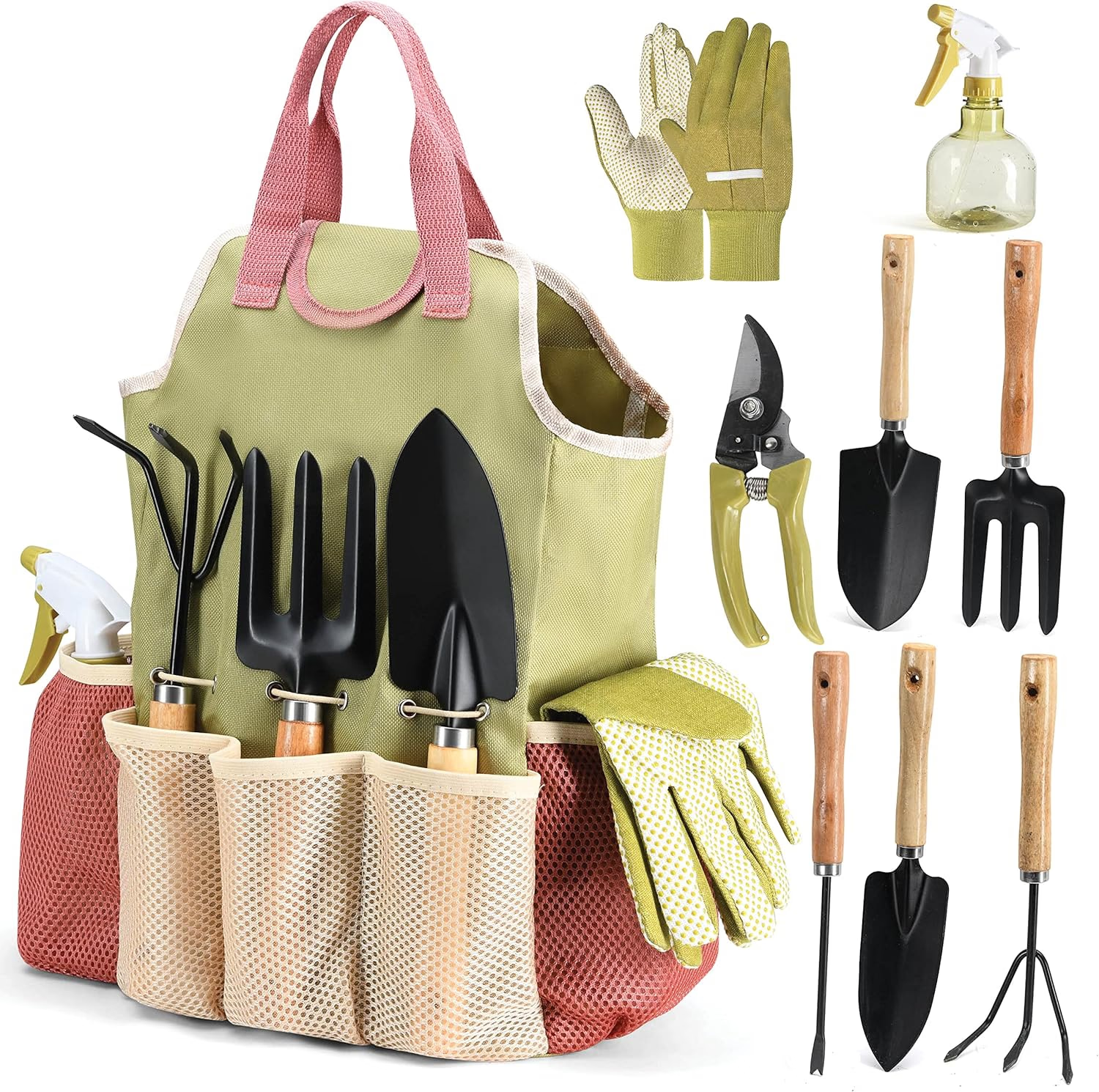
PLAY22 Gardening Tools Set of 10
A 10-piece hand tool set with a carry bag — trowel, transplanter, pruners and weeder. Suited to repotting and general container work.
View on Amazon ↗1. Botanical Overview & Natural Habitat
Understanding the natural habitat of your houseplants is fundamental to replicating their ideal conditions indoors. Most common houseplants hail from tropical and subtropical regions, characterized by environments with consistent moisture, high humidity, and well-aerated, free-draining soils. These soils are typically rich in organic matter but also contain a significant component of decaying leaf litter, bark, and sand, which prevents waterlogging and allows for ample oxygen diffusion.
In their native environments, roots are immersed in a dynamic substrate that is neither constantly saturated nor bone dry. Rain is frequent but usually short-lived, allowing excess water to drain away quickly, and the porous nature of the soil ensures that air pockets remain available for root respiration. This intricate balance is what we strive to recreate within the confines of our pots.
2. Essential Environmental & Care Requirements
Mimicking the conditions of a plant's native habitat indoors requires attention to several key environmental and care parameters. While external pests often grab our immediate attention, ensuring these fundamental requirements are met is the first and most powerful line of defense against many common plant ailments, including those that appear to be pest-related.
At the root zone (rhizosphere), gas exchange is just as critical as moisture. When potting mix becomes dense, muddy, or suffocated by standing drainage water, fine root hairs quickly suffer from hypoxia (oxygen deprivation), leaving the door wide open for opportunistic fungal pathogens like Pythium and Phytophthora. These pathogens thrive in anaerobic (oxygen-poor) conditions and can cause root rot, leading to symptoms like yellowing leaves, stunted growth, and wilting, which are often mistaken for pest damage. Conversely, an open, biologically active substrate enables robust nutrient uptake and rapid vegetative vigor, making plants healthier and more resilient to any potential invaders, whether they are microscopic pathogens or visible insects.
"Successful indoor gardening isn't a game of luck—it is the art of respecting root biology and working in harmony with natural physiological cycles."
Here’s a breakdown of critical parameters and how they impact your plants:
3. Step-by-Step Cultivation, Feeding & Propagation
The secret weapon against many plant problems is not a chemical, but a meticulous approach to cultivation, focusing on the root zone. This systematic protocol ensures that your plants are not just surviving, but thriving, building resilience from the ground up. This is the proven, systematic protocol I personally follow in a greenhouse:
- Optimize Container Aeration: This is paramount. Ensure containers have generous drainage holes. Amend standard potting mix with at least 30% coarse perlite, pumice, or small orchid bark to prevent compaction and ensure excellent airflow to the roots. For plants prone to drying out too quickly, consider adding a small amount of coco coir or worm castings for moisture retention, but always prioritize aeration. The goal is a substrate that feels light and airy, not dense and heavy.
- Stabilize Climate & Micro-Environment: Position plants thoughtfully. Avoid placing them directly in the path of cold winter drafts or close to forced-air heating registers, as these can cause rapid temperature and humidity fluctuations, leading to "humidity shock" or root stress. Ideally, group plants together to create a more humid microclimate, or use a humidifier, especially during dry winter months. Aim for stable temperatures between 65-75°F (18-24°C).
- Calibrate Your Hydration Routine: Ditch the calendar! Instead, learn to "read" your plants and soil. Water thoroughly only when the top 1-2 inches (2.5-5 cm) of soil feels dry to the touch. When you water, saturate the entire root ball until water flows freely from the drainage holes. This ensures that all roots receive moisture and encourages deeper root development. Crucially, never let pots stand in saucer runoff water for more than fifteen minutes; stagnant water creates anaerobic conditions that rapidly cause root rot. Discard any excess water after this short period.
- Apply Dilute Organic Nutrients Thoughtfully: During active vegetative growth phases (typically spring through early autumn), nourish with half-strength organic liquid fertilizers. This gently fuels cell division and growth without the risk of root burn that can occur with over-fertilization. Avoid fertilizing dormant plants or plants that are showing signs of stress, as they cannot efficiently process nutrients and may suffer further damage. A balanced liquid feed with NPK ratios around 10-10-10 or 20-20-20 diluted to half strength is a good starting point.
- Observe for Early Signs of Distress: Regularly inspect your plants, not just for pests on leaves, but for subtle changes in the soil and root zone. Yellowing lower leaves, a generally "unhappy" appearance, or stunted growth can all be indicators of root issues or improper environmental conditions, not necessarily pests.
💡 Pro-Tip: Always hydrate with room-temperature water; icy tap water induces thermal root shock and halts nutrient absorption for hours. If your tap water is heavily chlorinated, let it sit out for 24 hours before use to allow chlorine to dissipate.
⚠️ Important Caution: Never let pots stand in saucer runoff water for more than fifteen minutes; stagnant water creates anaerobic conditions that rapidly cause root rot. Always empty saucers promptly after watering.
4. Common Problems, Pests & Troubleshooting
Many issues we attribute to pests are actually symptoms of underlying root zone problems or environmental stress. By addressing the root cause, you not only resolve the immediate problem but also build stronger, more resilient plants that are far less susceptible to future infestations.
- Yellowing Leaves: While sometimes caused by nutrient deficiencies or pests, persistent yellowing, especially starting from the lower leaves, is often a sign of overwatering and root rot. The roots are suffocating and can't deliver water or nutrients effectively. Check the soil moisture; if it's consistently wet, reduce watering frequency and ensure good drainage.
- Crispy Leaf Edges/Tips: This is commonly associated with low humidity or inconsistent watering. However, it can also be a sign of root damage. If roots are compromised (e.g., from root rot or being root-bound), the plant struggles to transport water efficiently to the extremities, leading to dehydration and crisping.
- Stunted Growth & Lack of New Shoots: This is a classic sign that the plant is not receiving adequate resources. The most common culprits are insufficient light, lack of nutrients, or compromised roots. A densely packed root ball with little room to grow or an oxygen-deprived root zone will severely limit a plant's ability to produce new growth.
- Wilting: While drought is an obvious cause, wilting can also occur when the plant is overwatered. In this scenario, the roots are damaged and unable to absorb water, leading to wilting despite a wet soil. It’s crucial to differentiate between wilting due to dryness and wilting due to root rot.
- Fungus Gnats: These tiny flies are a nuisance but are usually a secondary problem. They are attracted to moist, organic-rich soil where their larvae feed on fungi and decaying organic matter. If you have a persistent fungus gnat problem, it often indicates that your soil is staying too wet for too long, creating an ideal breeding ground. Improving drainage and allowing the soil to dry out slightly between waterings can significantly reduce their population. Consider a layer of sand on top of the soil to deter them. For severe infestations, sticky traps and beneficial nematodes can be effective.
- Mealybugs & Scale: These sap-sucking insects weaken plants by feeding on plant juices. However, stressed plants are far more susceptible. A healthy, well-hydrated, and properly nourished plant can often withstand minor infestations or recover quickly. When treating these pests, always ensure the plant's underlying care is optimized. A strong plant is less of a target. For localized infestations, a cotton swab dipped in rubbing alcohol can be effective. For larger infestations, insecticidal soap or neem oil can be used.
A robust root system is your plant's ultimate defense against pests and diseases. By focusing on the health of the roots through proper substrate, watering, and environmental control, you create a plant that is naturally resistant and less appealing to unwelcome visitors.
For more in-depth pest identification and control strategies, the University of California's Integrated Pest Management (IPM) program offers comprehensive and environmentally sound advice: UC IPM Home.
5. Frequently Asked Questions
When is the best time of year to implement these changes?
The ideal time to implement these root-focused care strategies is during the plant's active growing season, which for most indoor plants is from early spring through mid-summer. During this period, plants have the energy reserves to respond positively to improved conditions, such as better aeration, optimal watering, and gentle fertilization. If you notice issues like root rot or compacted soil in the fall or winter, it's still advisable to address them promptly, but be mindful that the plant's recovery might be slower due to reduced metabolic activity. During winter dormancy, reduce hydration frequency accordingly, and avoid fertilizing.
How quickly will I see visible improvements in my plants?
You can often see noticeable improvements within 7 to 14 days after implementing these care adjustments, especially for common foliage houseplants. This typically manifests as increased leaf turgidity (firmness), a deeper, richer emerald green color, and the emergence of new, healthy apical shoots. Plants that were showing signs of stress, like wilting or yellowing, should begin to perk up as their root systems regain their ability to absorb water and nutrients.
Is this technique suitable for all indoor plant varieties?
Yes, the principles of optimizing root zone health are universally applicable to all indoor plant varieties. While the specific substrate composition or watering frequency might vary slightly between succulents, ferns, or tropical foliage plants, the core concepts of preventing anaerobic conditions, ensuring good drainage, and providing adequate aeration remain critical. This approach is exceptionally effective for popular indoor plants like Monsteras, Philodendrons, Pothos, Snake Plants, ZZ plants, and various tropical foliage collections. It forms the foundation of robust plant care for any species.
My plant's soil seems to stay wet for a really long time. What should I do?
If your plant's soil is consistently staying wet for extended periods (more than a week or two, depending on the plant and environment), it's a strong indicator that your potting mix is too dense, not draining well, or the pot is too large for the plant's root mass. The best course of action is to repot the plant into a better-draining mix. Combine your regular potting soil with at least 30-50% perlite, pumice, or orchid bark. Ensure the new pot has adequate drainage holes. If the plant is significantly root-bound, carefully loosen the root ball before repotting. This improved aeration is key to preventing root rot and promoting healthier root growth.
I see tiny white or green little bugs on my plant's leaves. Are these the pests I should be worried about?
Those tiny white or green bugs are likely aphids or possibly whiteflies. While these are indeed pests that need attention, they are often a symptom that your plant is already under some stress, making it more vulnerable. While you should treat these pests with methods like insecticidal soap or neem oil, it's equally important to re-evaluate your plant's overall care. Are the lighting conditions optimal? Is it properly hydrated? Is the soil well-draining? Addressing these underlying care issues will make your plant more resilient to future pest attacks and help it recover faster. Don't let the visible pests distract you from the crucial health of the root zone.
Have you tried this technique with your own houseplants? Share your results with our global grower community on the Community Forum, explore more expert guides on Plant Tips, or visit our Home Page for comprehensive plant care archives.
📋 Table of Contents ▼ Click to expand
PlantSavvyWorld
Editorial team
PlantSavvyWorld is an independent botanical education project. Articles are drafted with AI assistance, then edited and checked against university extension services, botanical garden collections and other published horticultural sources.
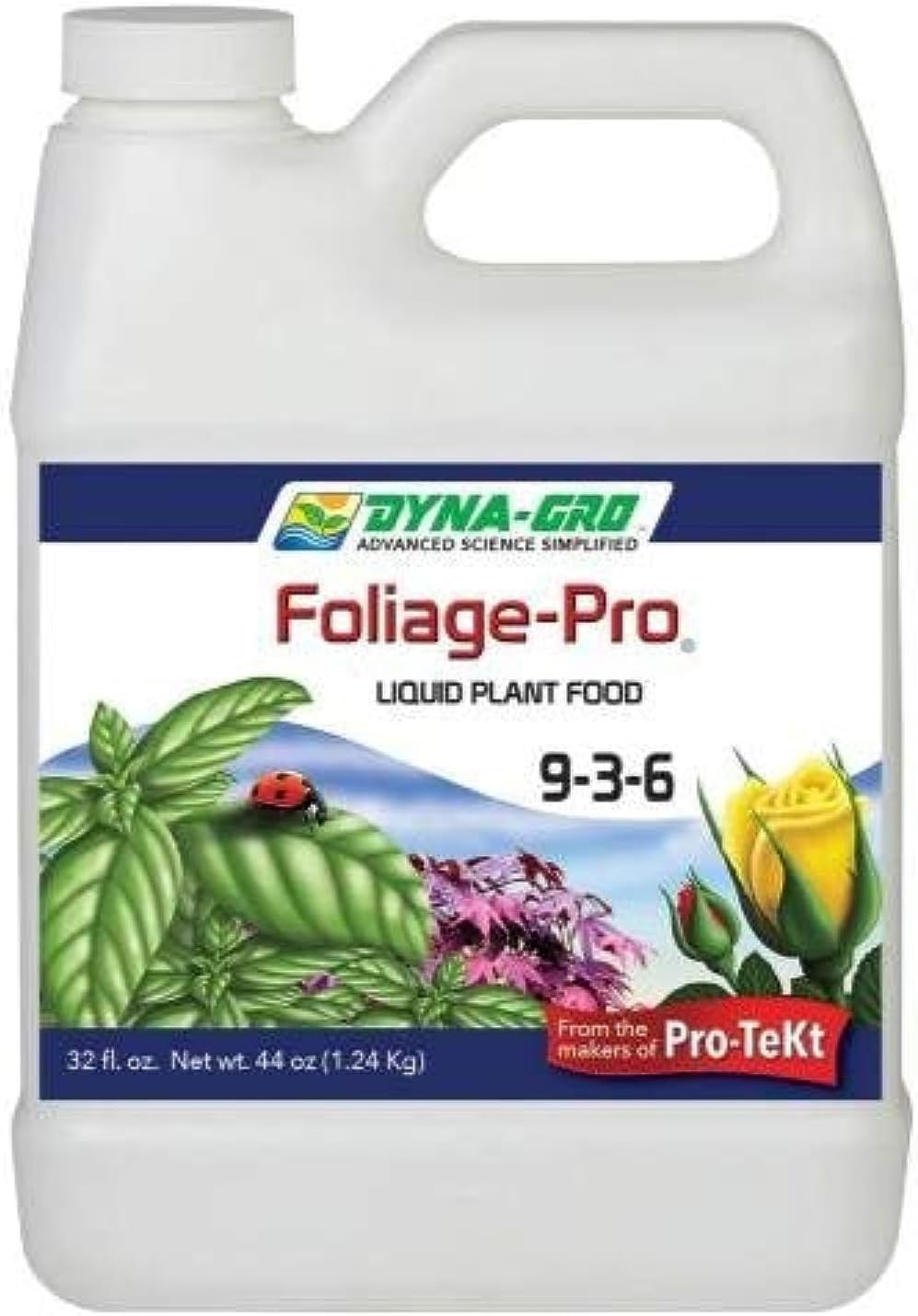
Organic Liquid Plant Food (FoxFarm)
A liquid organic plant food. Applied at label rate during active growth; most houseplants do better at reduced strength and not at all in winter.
View on Amazon ↗
PlantSavvyWorld
Editorial team
PlantSavvyWorld is an independent botanical education project. Articles are drafted with AI assistance, then edited and checked against university extension services, botanical garden collections and other published horticultural sources.
💬 Discussion