


STOP watering your Asparagus Fern wrong!✋
Written with AI assistance, edited and checked against horticultural sources.
Asparagus Ferns and other indoor plants often exhibit browning leaf margins and stalled new shoots when standard textbook advice is followed without accounting for their specific root zone needs. Understanding the why behind plant health prevents lackluster growth and reveals intricate biological requirements.
It's about understanding the delicate balance of an ecosystem, even one contained within a terracotta pot. This is especially true for the Asparagus Fern, a plant often misunderstood when it comes to its hydration needs. Let's dive into how to stop watering your Asparagus Fern wrong and unlock its full, feathery potential.

PLAY22 Gardening Tools Set of 10
A 10-piece hand tool set with a carry bag — trowel, transplanter, pruners and weeder. Suited to repotting and general container work.
View on Amazon ↗1. Botanical Overview & Natural Habitat
The Asparagus Fern, scientifically known as Asparagus setaceus (though often confused with its shrubbier cousin, Asparagus densiflorus 'Sprengeri'), is not a true fern at all! It belongs to the Asparagaceae family, a group that includes edible asparagus and many popular houseplants. Native to South Africa, it thrives in dappled sunlight and humid environments, often found growing as a ground cover or climbing through undergrowth in forests. This origin is key to understanding its needs. In its natural habitat, the soil is typically rich, well-draining, and consistently, yet moderately, moist. The root system is fibrous, with a unique set of rhizomes that store water and nutrients, allowing the plant to survive periods of slight drought.
Understanding this natural setting tells us a lot: it doesn't like to be waterlogged (as forest floors are rarely standing puddles), but it also doesn't appreciate drying out completely for extended periods. The delicate, lace-like foliage we admire is designed for efficient photosynthesis in filtered light, and its internal mechanisms are finely tuned to a consistent environment. When we replicate these conditions, even indoors, we set our Asparagus Fern up for success.
2. Essential Environmental & Care Requirements
The common pitfalls with Asparagus Ferns often stem from misconceptions about their watering needs, but environmental factors play a crucial role too. Getting these basics right will dramatically improve your plant's health and make watering mistakes less detrimental.
Lighting & Photoperiod
Asparagus Ferns thrive in bright, indirect diffused light. Think of the filtered sunlight that penetrates a forest canopy. Too little light will result in leggy growth, pale foliage, and fewer fronds. Conversely, direct, harsh sunlight, especially afternoon sun, can scorch the delicate cladodes (the fern-like "leaves" which are actually modified stems).
- Optimal Practice: Place your Asparagus Fern in an east-facing window where it will receive gentle morning sun, or a few feet back from a south or west-facing window. If you only have bright windows, consider using a sheer curtain to diffuse the light.
- Common Mistake: Placing the plant in a dark corner or directly in harsh, scorching midday sun.
- Why It Matters: Adequate, diffused light fuels the photosynthetic process, leading to vibrant, dense foliage and new growth. Insufficient or excessive light can stress the plant, leading to browning tips and overall decline.
Substrate Texture & Aeration
This is where many people go wrong, and it directly impacts watering. Asparagus Ferns, with their fine root systems and storage rhizomes, demand excellent drainage and aeration. A compacted, dense soil suffocates the roots, leading to root rot and preventing proper nutrient and water uptake.
- Optimal Practice: Use a well-draining potting mix. A good blend would be approximately 30% perlite, 30% orchid bark (fine to medium grade), and 40% high-quality potting soil. This creates a light, airy medium that allows roots to breathe and excess water to drain freely.
- Common Mistake: Using heavy, dense garden soil or a standard potting mix that retains too much moisture and compacts easily.
- Why It Matters: An open, biologically active substrate ensures robust nutrient uptake and prevents the anaerobic conditions that encourage fungal pathogens like Pythium and Phytophthora. This oxygenation is critical for root health and vigor.
Humidity & Temperature
Originating from a humid, subtropical climate, Asparagus Ferns appreciate higher humidity levels. They can tolerate average household humidity, but will flourish with increased moisture in the air. Extreme temperature fluctuations or drafts can also stress the plant.
- Optimal Practice: Aim for humidity levels between 40% and 60%. Misting occasionally, placing the pot on a pebble tray filled with water, or grouping plants together can help. Maintain consistent temperatures between 65-75°F (18-24°C).
- Common Mistake: Placing plants near cold winter drafts, heating vents, or in rooms with very dry air.
- Why It Matters: Consistent, moderate temperatures and adequate humidity prevent stress, reduce the likelihood of browning fronds, and support healthy growth. Sudden changes can shock the plant.
Here's a quick reference table to summarize:
3. Step-by-Step Cultivation, Feeding & Propagation
The key to watering your Asparagus Fern correctly lies in understanding its actual moisture needs, which are dictated by the substrate and environmental conditions. It's not about a schedule, but about observation.
Here is the proven, systematic protocol I personally follow in a greenhouse:
- Optimize Container Aeration: Begin with a pot that has ample drainage holes. Standard plastic pots are fine, but terracotta offers better breathability. Amend your potting mix generously. As mentioned, a blend of 30% coarse perlite or pumice mixed with your base potting soil is crucial. This ensures that even if you slightly overwater, the excess will drain away quickly, and the roots will receive the oxygen they need. Avoid using decorative cache pots without drainage unless you are exceptionally vigilant about emptying them.
- Master the "Finger Test" for Hydration: This is the single most important step in preventing overwatering. Never water on a schedule. Instead, check the soil moisture. Insert your finger about 2 inches (5 cm) into the potting mix. If you feel any significant moisture, wait. If the soil feels dry to that depth, it's time to water. For Asparagus Ferns, this might mean watering every 7-10 days in the growing season, and perhaps every 2-3 weeks in winter, depending entirely on your environment.
- Thorough, Infrequent Watering: When the finger test indicates it's time to water, do so thoroughly. Place the pot in a sink or basin and water slowly from the top until water runs freely from the drainage holes. Let it drain completely for about 15-30 minutes. This ensures that the entire root ball is moistened, encouraging roots to grow downwards, and flushes out any accumulated salts.
- Stabilize Climate & Micro-Environment: Position your Asparagus Fern away from direct drafts from heating or air conditioning vents, and at least 3 feet (approx. 1 meter) away from cold winter drafts from windows or doors. This prevents sudden humidity shocks and temperature extremes that can stress the plant and lead to browning fronds.
- Apply Dilute Organic Nutrients: During the active vegetative phases (spring and summer), nourish your Asparagus Fern with a balanced, diluted liquid fertilizer. Opt for organic options at half-strength, applied every 4-6 weeks. This provides essential nutrients to support cell division and growth without overwhelming the root system or risking "root burn." Avoid fertilizing during the fall and winter months when the plant's growth naturally slows.
💡 Pro-Tip: Always hydrate with room-temperature water. Icy tap water can induce thermal root shock, causing a temporary halt in nutrient absorption for several hours. Letting tap water sit out for a day or using filtered water is an easy way to ensure a gentle hydration experience for your plant's sensitive root hairs.
⚠️ Important Caution: Never let pots stand in saucer runoff water for more than fifteen minutes. This stagnant water creates anaerobic conditions in the soil, suffocating roots and rapidly creating an environment ripe for root rot. Always empty saucers after watering.
Propagation
Asparagus Ferns can be propagated through division or from seed. Division is the most common and easiest method for houseplants.
- Division: When repotting (typically every 2-3 years), gently divide the root ball into smaller sections, each with healthy roots and at least one viable shoot. Replant each section in its own well-draining pot. Water lightly after repotting.
4. Common Problems, Pests & Troubleshooting
Even with the best care, you might encounter issues. Understanding the cause is the first step to a solution.
- Brown, Crispy Frond Tips: This is the most common complaint and is almost always a sign of underwatering, low humidity, or exposure to dry drafts. Solution: Increase watering frequency slightly (checking the soil first!), mist regularly, use a pebble tray, or move the plant away from drafts. Ensure your soil isn't too compacted, which prevents water from reaching the roots.
- Yellowing Fronds: This can indicate overwatering and subsequent root rot, or sometimes a lack of nutrients. Solution: Check the soil moisture. If it's constantly wet, reduce watering and ensure excellent drainage. If the soil is dry and the plant is still yellowing, consider a diluted feeding.
- Leggy, Sparse Growth: This is a clear indicator of insufficient light. Solution: Move the plant to a brighter location with indirect light.
- Wilting: While wilting can indicate underwatering, with Asparagus Ferns, it can also be a sign of overwatering and root suffocation. Solution: Check the soil. If dry, water thoroughly. If wet, allow the soil to dry out considerably before watering again, and assess your watering habits and soil aeration.
Pests
Asparagus Ferns are relatively pest-resistant, but can occasionally be affected by:
- Spider Mites: Look for fine webbing and tiny, stippled spots on the foliage. They thrive in dry conditions. Solution: Increase humidity, wash the plant thoroughly with a strong stream of water, and treat with insecticidal soap or neem oil if infestations are severe.
- Mealybugs: Small, white, cottony insects found in leaf axils and on stems. Solution: Remove with a cotton swab dipped in rubbing alcohol, or treat with insecticidal soap or neem oil.
A healthy Asparagus Fern, with its vibrant green, feathery foliage, is a beautiful addition to any indoor jungle. By understanding its natural habitat and needs, and most importantly, by observing its cues rather than relying on a rigid watering schedule, you can ensure your plant thrives for years to come.
5. Frequently Asked Questions
Why are my Asparagus Fern fronds turning brown and crispy?
This is the most frequent issue faced by Asparagus Fern owners. It's typically a sign that the plant is stressed due to one or a combination of factors: insufficient humidity, overwatering leading to root rot, underwatering, or exposure to dry drafts (from heating vents or open windows in winter). To fix this, first, perform the "finger test" (inserting your finger about 2 inches or 5 cm into the soil) to gauge moisture levels accurately. If dry, water thoroughly. If consistently wet, reduce watering and ensure excellent drainage. Increase humidity by misting, using a pebble tray, or placing it near other plants. Finally, move the plant away from any direct drafts.
How often should I actually water my Asparagus Fern?
There's no set schedule. The "when" depends entirely on your home environment, the pot size, the soil mix, and the season. The golden rule is to water thoroughly only when the top 2 inches (5 cm) of soil feel dry to the touch. This could mean watering once a week during peak growing season (spring/summer) or as infrequently as every 2-3 weeks in winter dormancy. Always check the soil moisture before watering.
What kind of soil is best for an Asparagus Fern, and why does it matter so much?
Asparagus Ferns require a well-aerated, fast-draining potting mix. A heavy, compacted soil is their nemesis because it suffocates the fine root hairs and encourages root rot. A blend that works exceptionally well includes about 30% perlite or pumice, 30% orchid bark, and 40% good quality potting soil. This mix ensures that excess water drains away quickly and allows for vital oxygen circulation to the roots, which is crucial for nutrient uptake and overall plant health. You can find excellent guides on creating custom potting mixes from reputable horticultural sources, such as the University of Maryland Extension.
My Asparagus Fern is growing very slowly and looks sparse. What's wrong?
Slow or sparse growth is usually a sign that the plant isn't receiving enough light. While they prefer bright, indirect light, they can still grow leggy and pale in too little light. Try moving your Asparagus Fern to a spot where it can receive more consistent, diffused light, such as an east-facing window or a few feet back from a south or west-facing window. Avoid direct, hot sun, which can scorch its delicate foliage. For more in-depth information on light requirements for a wide range of plants, the Royal Horticultural Society (RHS) is an invaluable resource.
Have you tried this technique with your own houseplants? Share your results with our global grower community on the Community Forum, explore more expert guides on Plant Tips, or visit our Home Page for comprehensive plant care archives.
📋 Table of Contents ▼ Click to expand
PlantSavvyWorld
Editorial team
PlantSavvyWorld is an independent botanical education project. Articles are drafted with AI assistance, then edited and checked against university extension services, botanical garden collections and other published horticultural sources.
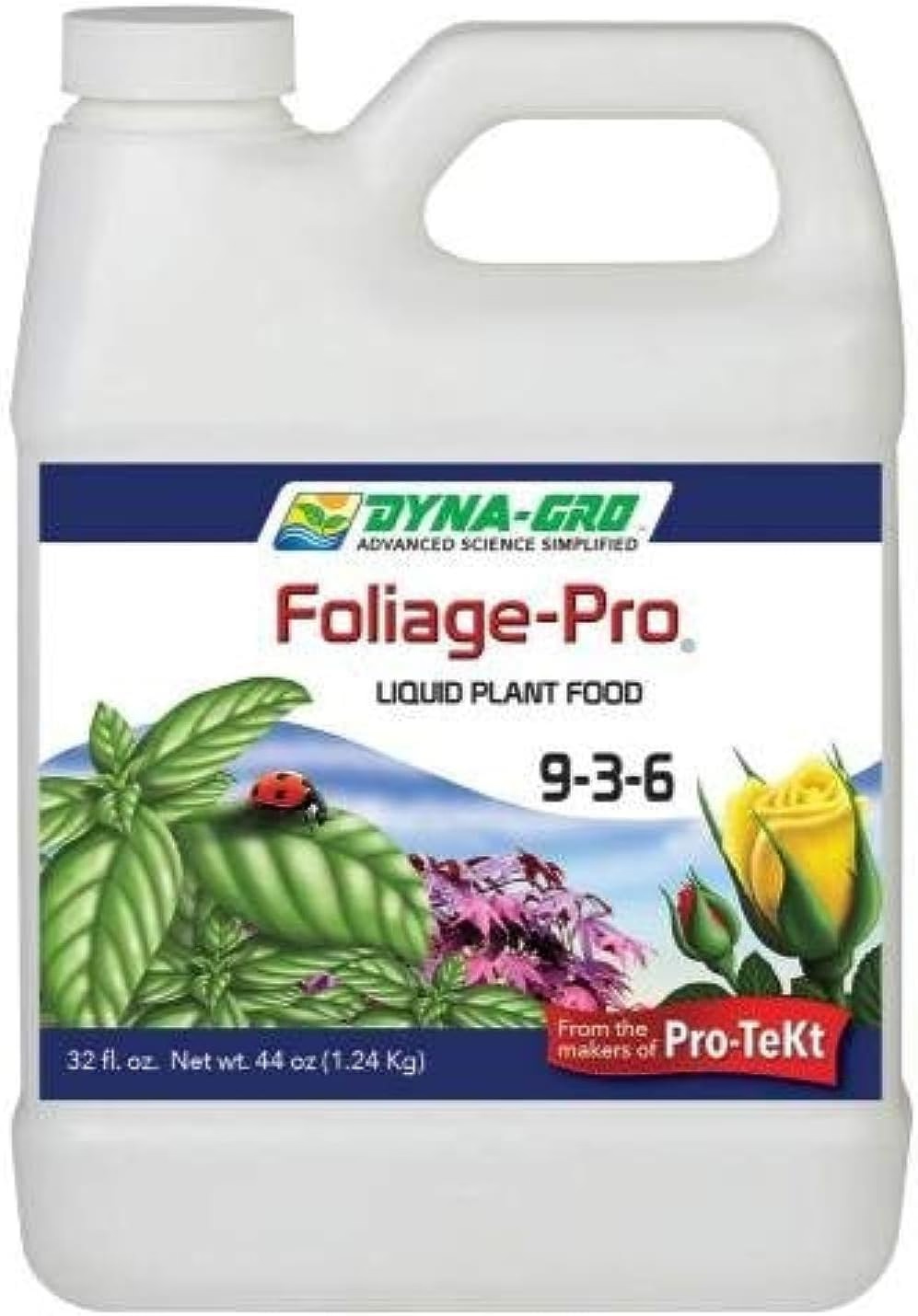
Organic Liquid Plant Food (FoxFarm)
A liquid organic plant food. Applied at label rate during active growth; most houseplants do better at reduced strength and not at all in winter.
View on Amazon ↗
PlantSavvyWorld
Editorial team
PlantSavvyWorld is an independent botanical education project. Articles are drafted with AI assistance, then edited and checked against university extension services, botanical garden collections and other published horticultural sources.
💬 Discussion