


STOP If your plants are struggling or you're battling fungus gnats...
Written with AI assistance, edited and checked against horticultural sources.
It was a few seasons ago, amidst the humid embrace of my indoor plant room, that I found myself staring with utter frustration at a collection of plants that seemed determined to underperform. Despite diligently following what I thought were the established textbook rules – adequate light, regular watering, the occasional feeding – my plants were lackluster. Their leaf margins were browning, a tell-tale sign of stress, and new shoots were stalling out, refusing to unfurl with any vigor. It was a moment of profound realization: I was guessing, and my plants were paying the price.
It's about understanding the science, not just going through the motions.
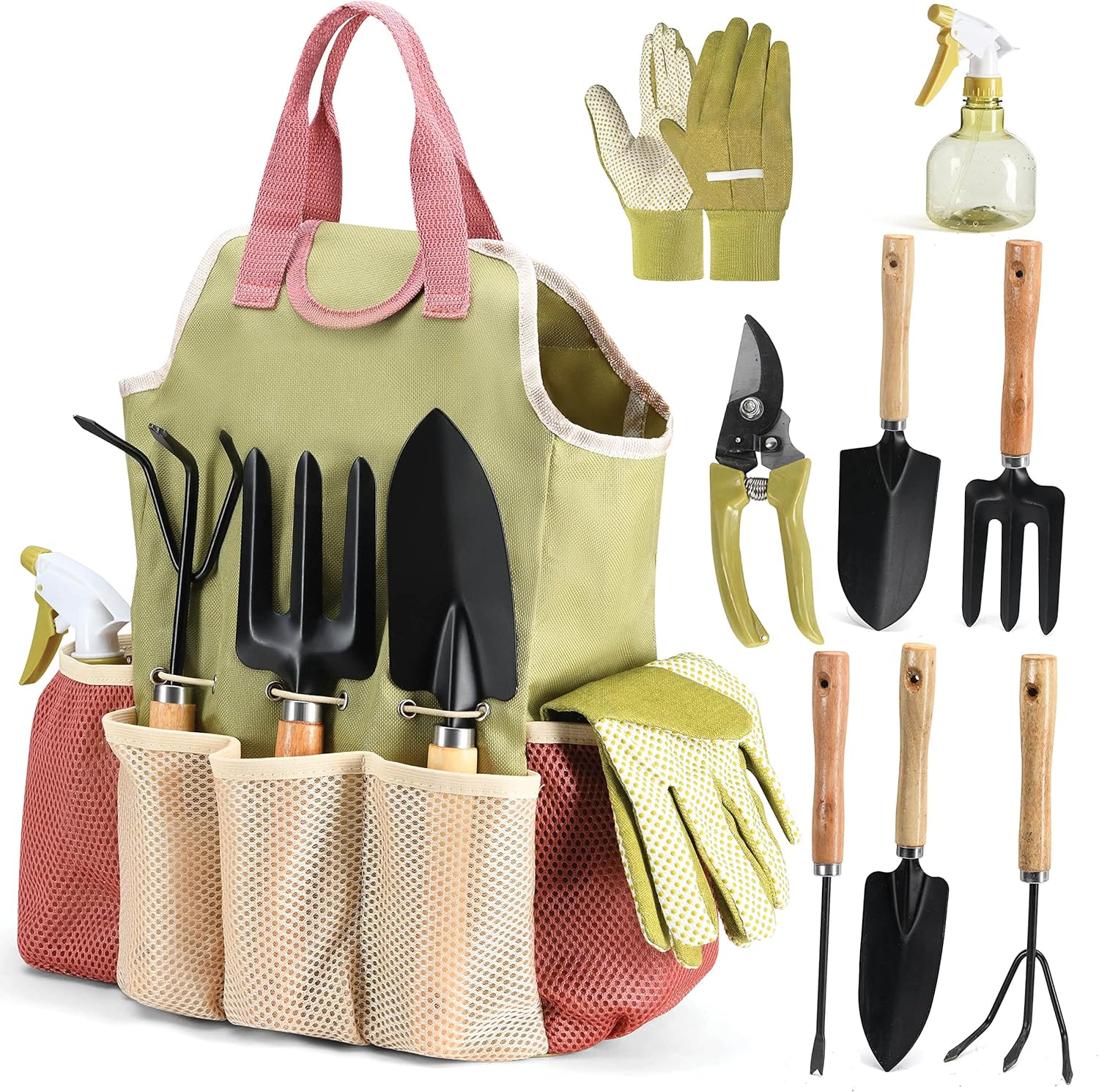
PLAY22 Gardening Tools Set of 10
A 10-piece hand tool set with a carry bag — trowel, transplanter, pruners and weeder. Suited to repotting and general container work.
View on Amazon ↗1. Botanical Overview & Natural Habitat
Understanding your plant's natural habitat is the cornerstone of successful indoor cultivation. Most popular houseplants originate from environments characterized by dappled sunlight filtering through dense canopies, consistently moist but well-draining soil, and a stable microclimate with good air circulation. Think of the humid, shaded understories of tropical rainforests or the bright, airy environments of epiphytic growth on tree branches. These conditions dictate specific physiological needs that we must strive to replicate indoors.
At the root zone, scientifically known as the rhizosphere, gas exchange is just as critical as moisture. This is where the magic of nutrient and water uptake truly happens. When potting mix becomes dense, muddy, or suffocated by standing drainage water, the fine root hairs, which are responsible for absorbing oxygen, quickly suffer from hypoxia (oxygen deprivation). This weakens the plant and leaves the door wide open for opportunistic fungal pathogens like Pythium and Phytophthora, the primary culprits behind root rot. Conversely, an open, biologically active substrate enables robust nutrient uptake and rapid vegetative vigor, allowing your plants to truly thrive.
"Successful indoor gardening isn't a game of luck—it is the art of respecting root biology and working in harmony with natural physiological cycles." This sentiment underpins the entire philosophy of effective plant care. It's about creating an environment where your plants can express their full potential, not just survive.
2. Essential Environmental & Care Requirements
Mimicking a plant's native environment indoors requires careful attention to several key parameters. These aren't arbitrary rules; they are directly tied to the plant's physiological processes.
Lighting: The Engine of Growth
Light is the plant's primary energy source. The quantity and quality of light dictate the rate of photosynthesis, which in turn fuels all other growth processes. Most popular houseplants, hailing from forest floors, require bright, indirect light. This means light that is strong enough to power photosynthesis but diffused enough to prevent scorching. A north- or east-facing window is often ideal, or a spot several feet away from a south- or west-facing window. Direct, harsh sunlight, especially during the hottest parts of the day, can quickly lead to sunburned leaves, appearing as brown, crispy patches. Conversely, a dark corner will lead to etiolation (stretched, weak growth) and a lack of flowering.
Substrate: The Root's Domain
The potting mix is more than just a medium to hold a plant upright; it's the life support system for the root zone. For most indoor plants, a heavy, dense soil that retains too much moisture is a death sentence. This is where problems like root rot, often exacerbated by fungal gnats, begin. An ideal substrate needs to be airy and well-draining. This is achieved by amending standard potting soil with components like perlite, pumice, orchid bark, or coco coir. These materials create air pockets, allowing oxygen to reach the roots and excess water to drain away freely. A good mix should feel lighter and coarser than typical garden soil.
Hydration: A Balanced Diet of Water
Water is essential, but overwatering is the most common killer of houseplants. The key is to water thoroughly and less frequently. The "top 2 inches dry" rule is a good starting point, but it's always best to use your finger to gauge moisture levels, as pot size, material, and ambient conditions can influence drying times. When you water, soak the entire root ball until water drains freely from the bottom of the pot. This encourages roots to grow deeper in search of moisture. Shallow, frequent watering leads to shallow root systems, making the plant more susceptible to drought stress.
Humidity: The Tropical Embrace
Many of our beloved houseplants are tropical natives, accustomed to environments with much higher humidity than typically found in homes, especially during winter when heating systems run constantly. Low humidity can lead to brown, crispy leaf tips and margins, reduced growth, and increased susceptibility to pests like spider mites. Increasing humidity can be achieved through various methods: grouping plants together, using pebble trays filled with water, or employing a humidifier.
3. Step-by-Step Cultivation, Feeding & Propagation
Here is the proven, systematic protocol I personally follow in a greenhouse to ensure robust plant health and vigorous growth. This isn't just about care; it's about creating the optimal conditions for your plants to flourish.
- Optimize Container Aeration & Drainage:
- Action: Ensure all containers have ample drainage holes. If using decorative pots without drainage, utilize them as cachepots, placing the plant in its nursery pot inside the decorative one.
- Action: Amend your potting mix. For most tropical foliage plants, aim for a blend where at least 30% is composed of coarse aeration materials like perlite, pumice, or orchid bark. For succulents and cacti, increase this percentage significantly (50-75%).
- Why: This step is crucial to prevent waterlogged conditions, which suffocate roots and invite fungal diseases and pests like fungus gnats. Good aeration ensures that root hairs can breathe and efficiently absorb nutrients and water.
- Stabilize Climate & Micro-Environment:
- Action: Position plants away from direct heat sources (radiators, heating vents) and cold drafts (air conditioners, open windows in winter). Aim for a stable temperature range of 65-75°F (18-24°C) during the day and no less than 55-60°F (13-15.5°C) at night.
- Action: Monitor ambient humidity. For sensitive plants, consider using a humidifier or placing them on pebble trays filled with water. Grouping plants can also create a localized humid microclimate.
- Why: Fluctuations in temperature and humidity cause significant stress, mimicking adverse conditions that can lead to leaf drop, browning, and stalled growth. Stability allows the plant to focus energy on growth rather than survival.
- Implement a Thoughtful Hydration Routine:
- Action: Water thoroughly only when the top 2 inches (5 cm) of the substrate is dry to the touch. For larger pots or plants with different needs, adjust this depth accordingly.
- Action: Always water until excess moisture drains from the bottom of the pot. Discard any water that collects in saucers or cachepots after 15-30 minutes to prevent roots from sitting in stagnant water.
- Why: This promotes deep root growth and prevents the anaerobic conditions that lead to root rot. Overwatering, even with good drainage, is a common cause of plant demise.
- Apply Dilute, Organic Nutrients:
- Action: During the active growing seasons (typically spring through early fall), feed your plants with a balanced, organic liquid fertilizer diluted to half-strength.
- Action: Apply fertilizer only to moist soil to prevent root burn. Never fertilize a dry plant or during periods of dormancy.
- Why: This provides the essential elements for robust growth without overwhelming the plant or damaging its root system. Organic fertilizers also contribute to the beneficial microbial life in the soil.
- Consider Propagation:
- Action: Once your plants are thriving, you can easily propagate them to expand your collection or share with friends. Methods vary by plant type but commonly include stem cuttings (for many aroids like Pothos and Philodendron), leaf cuttings (for Sansevieria and Begonia), or division of rhizomes/tubers.
- Action: Use clean, sharp tools and rooting hormones if desired. Place cuttings in a suitable propagation medium (often perlite, vermiculite, or a specialized seedling mix) and maintain consistent moisture and warmth.
- Why: Propagation is a rewarding way to multiply your successful plants, and it’s a testament to the healthy environment you've created. Healthy parent plants yield successful propagations.
💡 Pro-Tip: Always hydrate with room-temperature water; icy tap water induces thermal root shock and halts nutrient absorption for hours. A simple thermometer can help you ensure your water is between 65-75°F (18-24°C).
⚠️ Important Caution: Never let pots stand in saucer runoff water for more than fifteen minutes; stagnant water creates anaerobic conditions that rapidly cause root rot, attract fungus gnats, and can lead to the demise of even the most resilient plants.
4. Common Problems, Pests & Troubleshooting
Even with the best care, plants can encounter issues. Understanding common problems and their causes allows for swift and effective intervention.
Browning Leaf Margins & Tips
- Cause: This is a classic symptom of stress, most often related to inconsistent watering (both underwatering and overwatering), low humidity, or mineral salt buildup in the soil from over-fertilizing.
- Solution: Re-evaluate your watering schedule. Ensure you are watering thoroughly when the top 2 inches of soil are dry and discarding excess water. Increase ambient humidity if possible. If you suspect salt buildup, flush the soil by watering heavily several times, allowing full drainage each time, or repot into fresh substrate.
Yellowing Leaves
- Cause: Can be a sign of overwatering (often the most common), but also underwatering, nutrient deficiency, or insufficient light. If lower leaves turn yellow and drop, it's often overwatering. If leaves are yellowing but the soil is dry, it's likely underwatering.
- Solution: For overwatering, allow the soil to dry out considerably, improve drainage, and adjust your watering frequency. For underwatering, water thoroughly. If light is an issue, move the plant to a brighter location. If nutrient deficiency is suspected (often indicated by pale green or yellowing leaves with green veins), fertilize during the growing season.
Stunted Growth & Small New Leaves
- Cause: This usually points to insufficient light, a nutrient deficiency, or a rootbound condition.
- Solution: Assess the light situation – move to a brighter spot if necessary. Ensure you are fertilizing regularly during the growing season. Check if the plant is rootbound; if the roots are circling tightly in the pot, it's time to repot into a slightly larger container with fresh, well-draining soil.
Fungus Gnats: The Tiny Terrors
- Cause: Fungus gnats are tiny, harmless-looking flies that hover around houseplants. Their larvae, however, feed on organic matter and, more concerningly, plant roots and fungal growth in the soil. They thrive in consistently moist, organically rich soil.
- Solution:
- Allow Soil to Dry Out: This is the most effective immediate step. Let the top 2-3 inches (5-7.5 cm) of soil dry out completely between waterings. Fungus gnat larvae need moisture to survive.
- Improve Drainage & Aeration: Ensure your potting mix is well-draining and not compacted. Repotting with a mix containing perlite or orchid bark can help.
- Yellow Sticky Traps: These are excellent for catching the adult gnats, preventing them from breeding. Place them near the soil surface.
- Biological Controls: Consider using beneficial nematodes (Steinernema feltiae) or Bacillus thuringiensis israelensis (Bti) products. These are natural predators or pathogens that target the larvae in the soil.
- Hydrogen Peroxide Drench: For severe infestations, a diluted hydrogen peroxide drench (1 part 3% hydrogen peroxide to 4 parts water) can kill larvae and help aerate the soil. Be cautious not to overdo this, as it can harm beneficial microorganisms.
- Prevention: Maintain proper watering habits, use well-draining soil, and avoid leaving standing water in saucers.
Root Rot
- Cause: The most common cause is overwatering combined with poor drainage, leading to anaerobic conditions where roots suffocate and decay. Fungal pathogens are often opportunistic and thrive in these conditions.
- Solution: If you suspect root rot (indicated by wilting even when the soil is moist, yellowing leaves, and a foul odor from the soil), gently unpot the plant. Trim away any mushy, brown, or black roots with clean scissors. Repot the plant in fresh, well-draining substrate. Reduce watering frequency and ensure adequate drainage and air circulation.
5. Frequently Asked Questions
When is the best time of year to implement these changes for my houseplants?
The ideal time to implement these care adjustments is in early spring as days begin to lengthen and temperatures rise. This is when most houseplants naturally transition from dormancy or slower growth into their active vegetative period. They are best equipped to handle changes in light, watering, and feeding during this time. You can continue these practices through mid-summer. In fall and winter, you'll generally want to reduce watering frequency, as plant growth naturally slows due to lower light levels and temperatures.
How quickly will I see visible improvements in my plants after making these changes?
Most healthy foliage houseplants respond noticeably within 7 to 14 days to optimized care. You can expect to see improved leaf turgidity (firmer, more upright leaves), a deeper, more vibrant green coloration, and the emergence of active new growth, such as apical shoots or unfurling leaves. Severely stressed plants may take a bit longer, but consistent, correct care will always yield positive results.
Is this technique suitable for all indoor plant varieties?
Yes, the core principles of providing appropriate light, excellent drainage, consistent but not excessive watering, and stable environmental conditions are universally beneficial for almost all indoor plant varieties. While specific light and water needs may vary (e.g., succulents require much faster drying soil and more direct sun), the fundamental approach to root zone health and environmental stability is transferable. This protocol is exceptionally effective for popular tropical foliage collections like Monsteras, Philodendrons, Pothos, Calatheas, and Prayer Plants, as well as for Snake Plants and ZZ Plants, though their watering needs are less frequent.
My plant has brown, crispy edges on its leaves. What is causing this and how do I fix it?
Brown, crispy leaf edges, often referred to as "tip burn," are typically a sign of environmental stress rather than a disease. The most common culprits are:
- Low Humidity: Many tropical houseplants originate from humid environments and struggle in the dry air of most homes, especially during winter.
- Inconsistent Watering: Both allowing the soil to dry out too much for extended periods or overwatering that leads to root stress can manifest as crispy edges.
- Salt Buildup: Over-fertilizing or using tap water with high mineral content can lead to a buildup of salts in the soil, which can "burn" the roots and leaf tips.
To fix this, try increasing ambient humidity with a humidifier or pebble tray, ensure your watering routine is consistent and appropriate for the plant's needs (letting the top inch or two of soil dry out), and flush the soil periodically by watering heavily with distilled or filtered water to remove excess mineral salts.
I'm battling fungus gnats constantly. What's the definitive solution?
Fungus gnats are a persistent nuisance, and their larvae thrive in moist soil, feeding on organic matter and delicate root hairs. The most effective long-term strategy involves a multi-pronged approach:
- Dry Out the Soil: This is paramount. Let the top 2-3 inches (5-7.5 cm) of soil dry out completely between waterings. This kills the larvae.
- Improve Drainage: Repotting into a well-aerated mix (like the 30% perlite/bark blend recommended) is crucial. Good drainage prevents the soil from staying soggy.
- Adult Trapping: Use yellow sticky traps placed just above the soil surface to catch adult gnats, preventing further egg-laying.
- Larval Control: Introduce beneficial nematodes (Steinernema feltiae) or use a Bti (Bacillus thuringiensis israelensis) product, which are natural larvicides specifically targeting fungus gnat larvae in the soil.
- Prevention: Always discard excess water from saucers promptly.
For more in-depth information on managing common plant pests and diseases, resources like the University of Maryland Extension's Home and Garden Information Center offer valuable guidance.
Have you tried this technique with your own houseplants? Share your results with our global grower community on the Community Forum, explore more expert guides on Plant Tips, or visit our Home Page for comprehensive plant care archives.
📋 Table of Contents ▼ Click to expand
PlantSavvyWorld
Editorial team
PlantSavvyWorld is an independent botanical education project. Articles are drafted with AI assistance, then edited and checked against university extension services, botanical garden collections and other published horticultural sources.
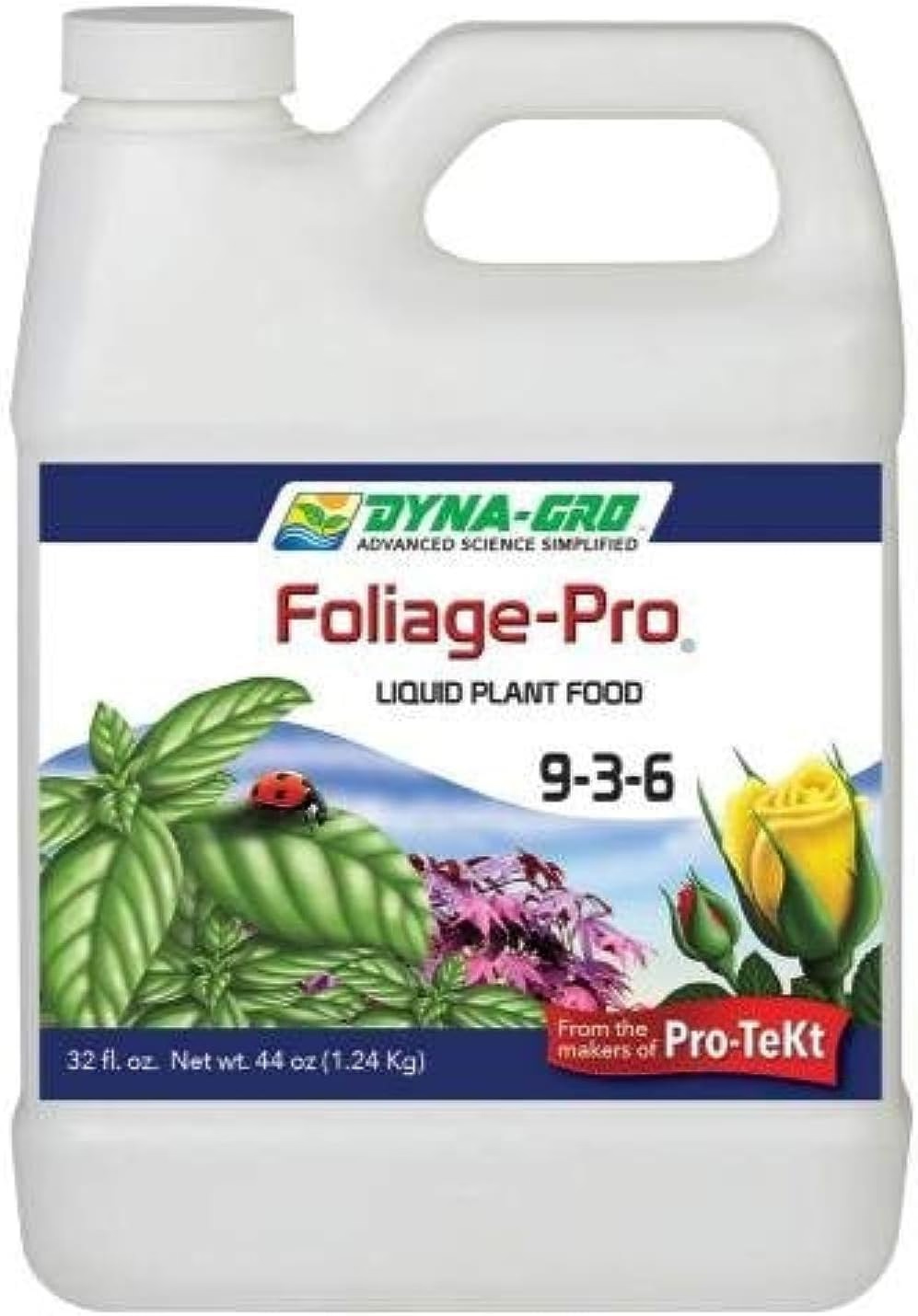
Organic Liquid Plant Food (FoxFarm)
A liquid organic plant food. Applied at label rate during active growth; most houseplants do better at reduced strength and not at all in winter.
View on Amazon ↗
PlantSavvyWorld
Editorial team
PlantSavvyWorld is an independent botanical education project. Articles are drafted with AI assistance, then edited and checked against university extension services, botanical garden collections and other published horticultural sources.
💬 Discussion