


✋STOP EVERYTHING! Your Hibiscus is HIDING a jaw-dropping secret in your MATCHBOX!
Written with AI assistance, edited and checked against horticultural sources.
It was during a deep dive into historical horticultural notes that I stumbled upon a simple, forgotten household trick—one that involved a humble matchbox sitting in my kitchen drawer. When combined with rigorous soil science, this simple matchbox hack unlocked explosive, recurring blooms and vibrant emerald foliage.
1. Botanical Overview & Natural Habitat
To understand why tropical Hibiscus species thrive or fail indoors and on patios, we must look at their natural origins. Native to warm, humid sub-tropical and tropical regions of East Asia, Hibiscus rosa-sinensis belongs to the Malvaceae family. In their wild habitat, these woody perennials grow in well-draining, rich volcanic soils that are constantly replenished with decaying organic material, giving the substrate a slightly acidic pH (typically 6.0 to 6.8).
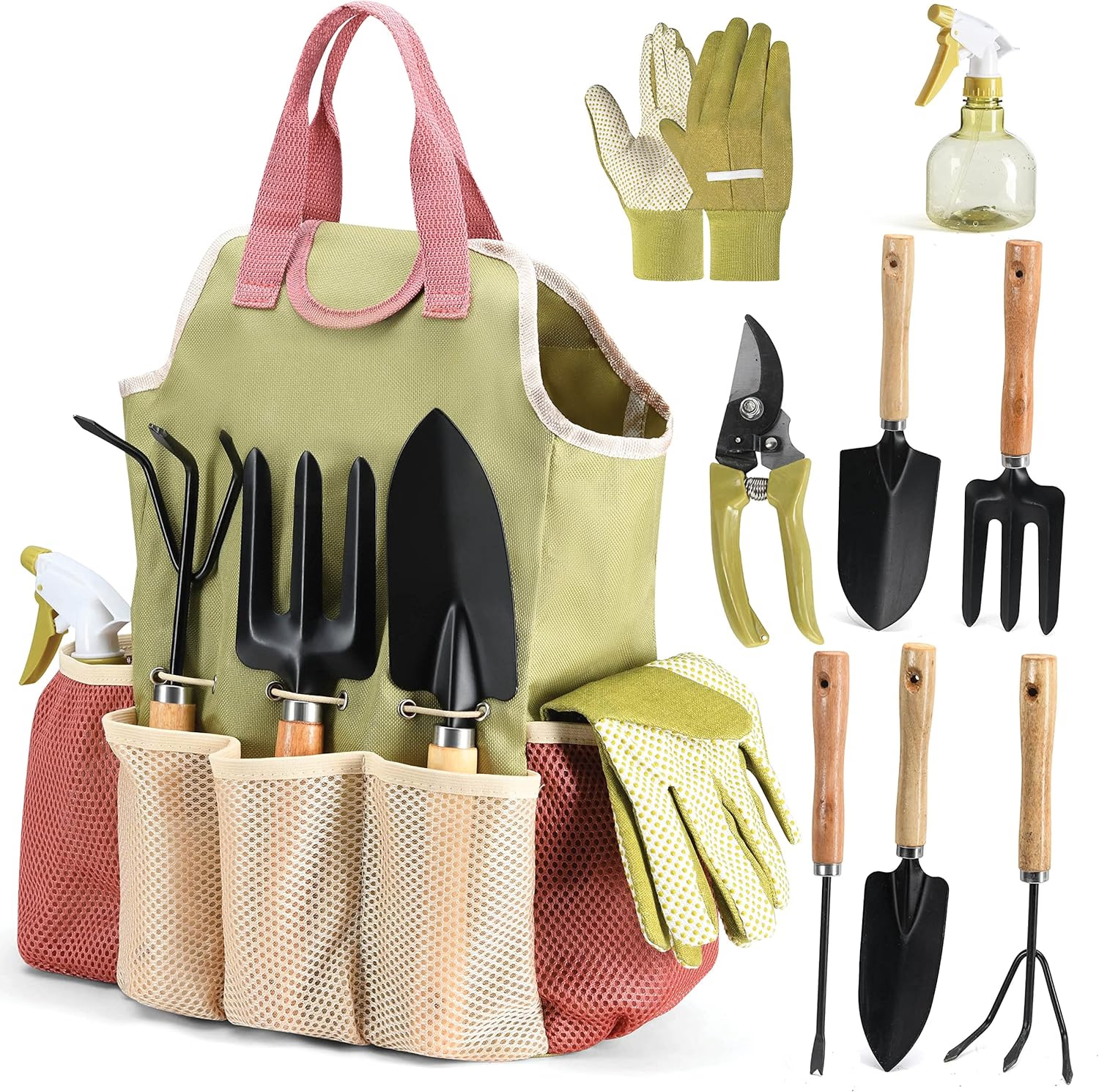
PLAY22 Gardening Tools Set of 10
A 10-piece hand tool set with a carry bag — trowel, transplanter, pruners and weeder. Suited to repotting and general container work.
View on Amazon ↗At the root zone (rhizosphere), gas exchange is just as critical as moisture. Tropical soils are rich in mineral sulfur, phosphorus, and trace minerals, which are naturally leached into the root system by frequent, warm rain showers. When potting mix becomes dense, muddy, or suffocated by standing drainage water, fine root hairs quickly suffer from hypoxia (oxygen deprivation), leaving the door wide open for opportunistic fungal pathogens like Pythium and Phytophthora. Conversely, an open, biologically active substrate enables robust nutrient uptake and rapid vegetative vigor.
The "matchbox secret" relies directly on this rhizosphere chemistry. Match heads traditionally contain sulfur, potassium chlorate, and trace amounts of phosphorus. When unlit match heads are placed into the soil, soil microbes gradually break down elemental sulfur into sulfate ($\text{SO}_4^{2-}$). This micro-dosing of sulfur slightly acidifies the localized root zone—unlocking bound iron and magnesium—while phosphorus and potassium trigger abundant floral bud development and deter soft-bodied substrate pests like fungus gnat larvae.
For a deeper look into plant nutrition and soil chemistry, the University of Florida IFAS Extension offers extensive peer-reviewed guides on tropical plant culture and soil pH management.
2. Essential Environmental & Care Requirements
Creating a thriving environment for Hibiscus requires mimicking their tropical microclimate. Indoors, this means carefully balancing lighting photoperiods, air movement, moisture levels, and substrate aeration.
Hibiscus are high-energy plants with rapid metabolic rates. They require direct sun or intense high-output full-spectrum LED lighting to drive photosynthesis. Without adequate photoperiod exposure (at least 6 to 8 hours of direct or strong indirect light daily), stomatal conductance slows down, transpiration halts, and the plant reduces internal energy allocation, resulting in systemic bud drop.
The matrix below outlines the exact environmental parameters required to keep your Hibiscus performing at peak physiological efficiency:
3. Step-by-Step Cultivation, Feeding & Propagation
Here is the proven, systematic protocol I personally follow in a greenhouse to transform stalled plants into heavy bloomers:
- Optimize Container Aeration & Drainage Infrastructure:
Ensure containers have generous drainage holes. Select terra cotta or breathable fabric pots when possible. Prepare a custom substrate mix consisting of 50% high-quality potting soil, 30% coarse perlite or pumice, and 20% coarse orchid bark aggregate to prevent compaction and maintain gas exchange around fine root hairs.
- Stabilize Climate & Micro-Environment:
Position plants at least 3 feet (90 cm) away from cold winter drafts, air conditioners, and forced-air heating registers to prevent humidity shock. Maintain ambient room temperatures between 68°F and 78°F (20°C to 25°C) and relative humidity levels around 50% to 60%.
- Deploy the Matchbox Micro-Nutrient Hack:
Take 5 to 8 unlit wooden safety matchsticks. Insert them head-down into the substrate, pushing them 1 to 2 inches (2.5 to 5 cm) deep into the topsoil. Space them evenly around the perimeter of the pot, roughly 1 to 2 inches away from the main stem base. As you water, moisture will slowly dissolve the match head compounds (sulfur, potassium, trace phosphorus), gently acidifying the rhizosphere and repelling soil-dwelling pest larvae. Replace matches every 45 to 60 days during the active growing season.
- Execute Hydration & Dilute Organic Feeding:
Hydrate thoroughly until water flows freely from the container's base drainage holes, but only when the top 2 inches (5 cm) of substrate feel dry to the touch. During active vegetative phases (spring through early autumn), nourish bi-weekly with half-strength organic liquid feeds high in potassium and magnesium to fuel cell division without risking fertilizer salt burn.
- Softwood Propagation for New Plants:
Propagate in late spring by taking 4 to 6-inch (10 to 15 cm) softwood cuttings from healthy, non-flowering tips. Strip lower leaves, dip the cut end in liquid rooting hormone, and press into a moist 50/50 perlite and peat mix. Cover with a clear plastic dome to maintain 80%+ relative humidity at 75°F (24°C). Roots typically initiate within 14 to 21 days.
💡 Pro-Tip: Always hydrate your plants with room-temperature water around 68°F to 72°F (20°C to 22°C); icy tap water induces thermal root shock, causes fine root hair death, and halts nutrient absorption for up to 48 hours!
⚠️ Important Caution: Never let pots stand in saucer runoff water for more than fifteen minutes; stagnant water creates anaerobic conditions that rapidly cause root rot. Additionally, use standard wooden safety matches for the matchbox hack—avoid matches with heavy dye coatings or chemical strike-anywhere friction additives that contain unwanted synthetic binders.
4. Common Problems, Pests & Troubleshooting
Even under careful management, indoor and patio Hibiscus can encounter environmental stressors or pest pressure. Diagnosing leaf language promptly prevents systemic decline.
Bud Abscission (Yellowing & Dropping Flower Buds)
- Root Cause: Rapid environmental changes, low humidity, drafty locations, or potassium deficiency.
- Remedy: Move the container away from drafts. Implement the matchbox trick to supply localized potassium/sulfur and verify that humidity is at least 50%. Ensure watering is consistent; never allow the soil to completely desiccate during bud development.
Chlorosis (Yellowing Leaves with Green Veins)
- Root Cause: Iron or magnesium lockout caused by high substrate pH (above 7.0) or root hypoxia from waterlogged soil.
- Remedy: Check drainage holes. Allow substrate to dry down to 2 inches (5 cm) deep. The elemental sulfur dissolved from inserted match heads will naturally buffer the pH down toward 6.2, unlocking bound iron compounds in the root zone within 10 to 14 days.
Pest Pressure: Spider Mites & Fungus Gnats
- Root Cause: Dry indoor air invites spider mites (Tetranychidae); overly wet topsoil attracts fungus gnats (Sciaridae).
- Remedy: For spider mites, spray foliage thoroughly top and bottom with warm insecticidal soap or diluted neem oil every 5 days for 3 cycles. For fungus gnats, the sulfur leaching from the wooden match heads in the topsoil creates an unfavorable environment for gnat larvae, breaking their reproductive cycle.
For detailed pest identification keys and biological control options, consult the Royal Horticultural Society (RHS) Plant Advice database.
5. Frequently Asked Questions
Why are my Hibiscus flower buds falling off before they open?
Bud drop (abscission) is typically triggered by environmental shock, erratic watering, or a lack of available potassium and micro-sulfur. Ensure your plant sits in bright light at temperatures above 65°F (18°C), maintain even moisture, and use the matchstick sulfur method to buffer soil pH and supply trace minerals required for bloom stabilization.
How does putting matchsticks in soil actually help Hibiscus bloom?
Match heads contain elemental sulfur, potassium chlorate, and trace phosphorus. When embedded in moist soil, soil bacteria oxidize the sulfur into sulfate, slightly acidifying the rhizosphere. This acidic micro-environment allows Hibiscus roots to efficiently take up iron and micronutrients, while the trace potassium directly stimulates flower bud formation and cell turgor.
When is the best time of year to re-pot and feed indoor Hibiscus?
Early spring through mid-summer represents the active metabolic window when plants can rapidly utilize increased light, substrate space, and fresh nutrients. During winter dormancy, growth slows down considerably; reduce hydration frequency and halt fertilization until spring sun signals new vegetative shoots.
How quickly will I see visible improvements after fixing root aeration and soil pH?
Most foliage houseplants and tropical woody shrubs respond within 7 to 14 days with noticeable leaf turgidity, deeper emerald color, and active apical shoot emergence. Floral bud stabilization typically follows within 3 weeks of correcting root zone parameters.
Is this sulfur matchstick technique suitable for all indoor plant varieties?
The matchstick technique works best for acid-loving or heavy-blooming species such as Hibiscus, Gardenia, Azalea, African Violets, Monsteras, Philodendrons, and Pothos. Avoid using this method on desert succulents or alkaline-preferring plants like certain cacti, which thrive in neutral to slightly higher pH soils.
Have you tried this matchbox technique with your own houseplants? Share your results with our global grower community on our Community Forum, explore more expert guides on Plant Tips, or visit our Home Page for comprehensive plant care archives!
📋 Table of Contents ▼ Click to expand
PlantSavvyWorld
Editorial team
PlantSavvyWorld is an independent botanical education project. Articles are drafted with AI assistance, then edited and checked against university extension services, botanical garden collections and other published horticultural sources.
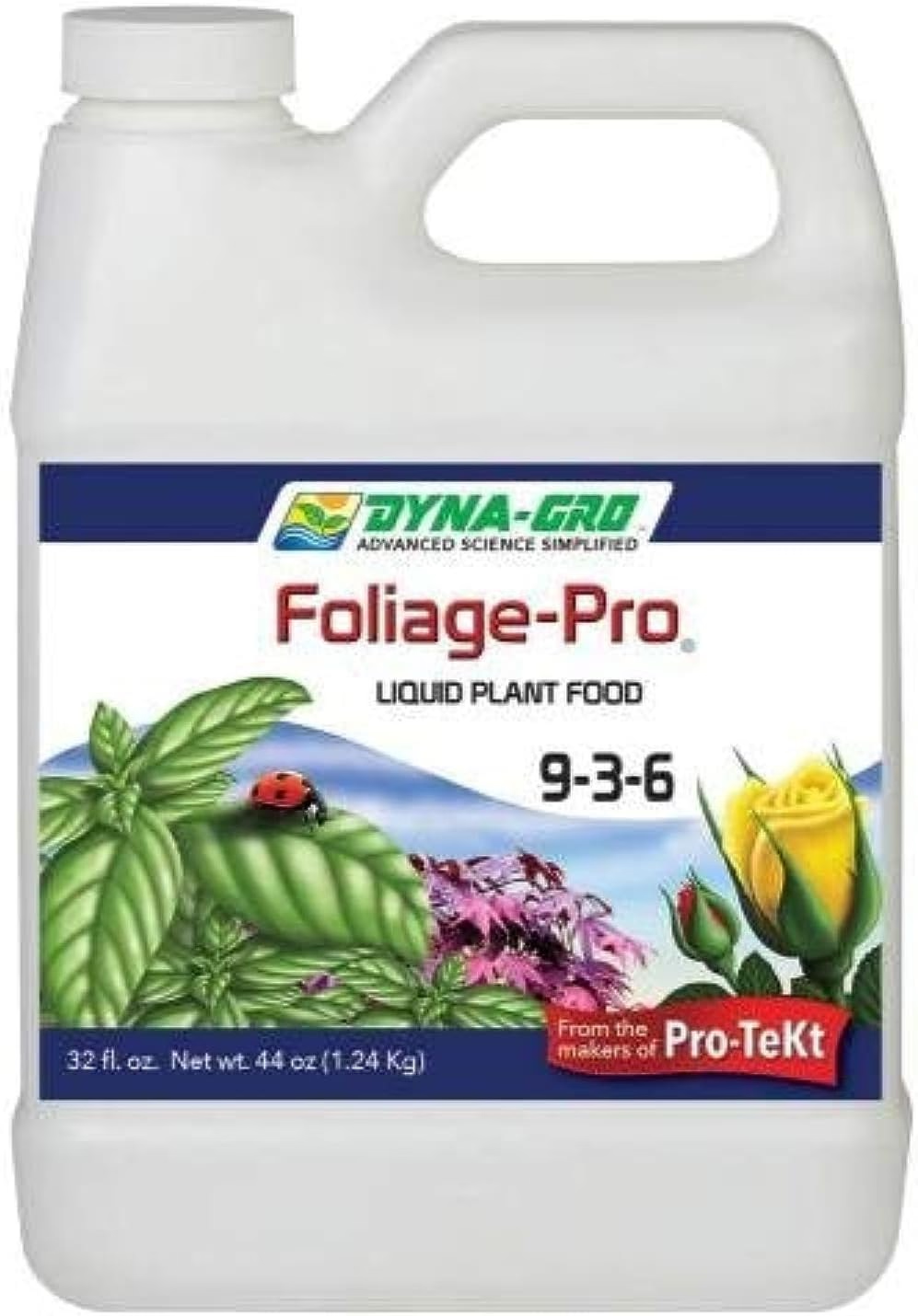
Organic Liquid Plant Food (FoxFarm)
A liquid organic plant food. Applied at label rate during active growth; most houseplants do better at reduced strength and not at all in winter.
View on Amazon ↗
PlantSavvyWorld
Editorial team
PlantSavvyWorld is an independent botanical education project. Articles are drafted with AI assistance, then edited and checked against university extension services, botanical garden collections and other published horticultural sources.
💬 Discussion