


If you're still watering your Hoya with a watering can, you're missing out on this secret!
Written with AI assistance, edited and checked against horticultural sources.
Indoor Hoya collections often become lackluster when given "just enough" water through routine watering methods. Leaf margins brown, new shoots stall, and once-glossy leaves look dull unless the intricate biological needs of the root zone, the unsung hero of plant health, are carefully observed.
It’s about understanding that plants aren’t just passive decorations; they are complex organisms with specific, vital needs, especially in their subterranean world.
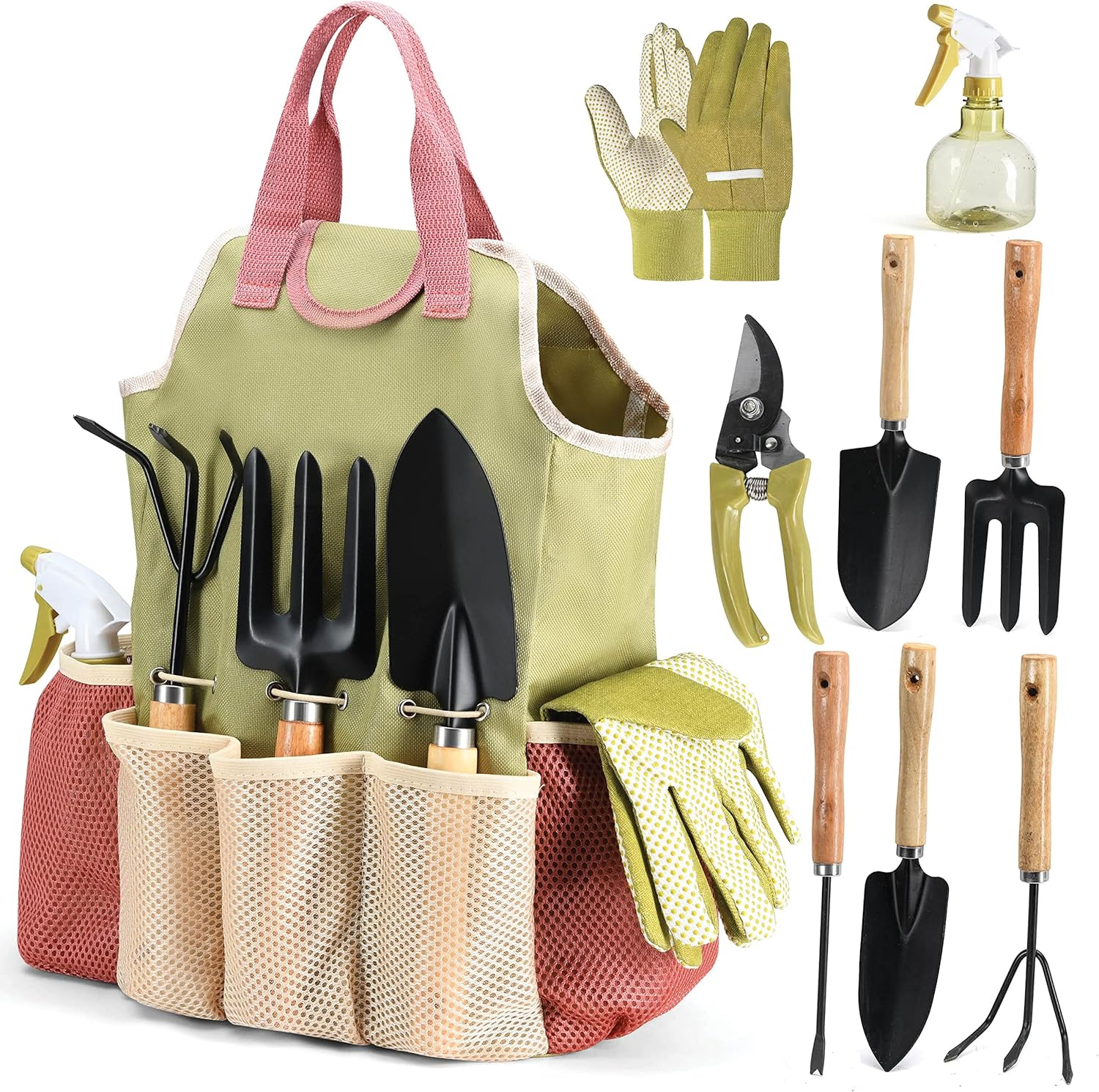
PLAY22 Gardening Tools Set of 10
A 10-piece hand tool set with a carry bag — trowel, transplanter, pruners and weeder. Suited to repotting and general container work.
View on Amazon ↗The watering can, while a familiar and often essential tool, can sometimes be the very instrument that hinders our Hoyas’ potential. If you’re still reaching for that classic watering can for every single Hoya hydration, you might be missing out on a profound secret to unlocking their full, cascading, blooming glory.
1. Botanical Overview & Natural Habitat
Hoyas, often called "wax plants" due to their succulent, waxy leaves, are a genus of trailing or climbing vines native to tropical and subtropical regions of Asia and Australia. In their natural habitat, they often grow as epiphytes or lithophytes, clinging to trees or rocks. This means they are accustomed to growing in airy, well-draining environments, often receiving moisture from rainfall and humidity, but rarely sitting in soggy conditions.
Their root systems are designed to anchor them and absorb water and nutrients efficiently from porous substrates. Unlike plants that grow in dense soil, Hoya roots require ample oxygen to thrive. This epiphyte heritage is the key to understanding their watering needs. When we mimic their natural environment indoors, we unlock their potential.
The Rhizosphere: A Microcosm of Life
At the root zone, or rhizosphere, gas exchange is just as critical as moisture. When potting mix becomes dense, muddy, or suffocated by standing drainage water, fine root hairs quickly suffer from hypoxia (oxygen deprivation). This lack of oxygen creates a perfect breeding ground for opportunistic fungal pathogens like Pythium and Phytophthora, which lead to root rot – the bane of many an indoor plant parent. Conversely, an open, biologically active substrate enables robust nutrient uptake and rapid vegetative vigor, allowing your Hoya to produce those lush leaves and abundant blooms we all desire.
"Successful indoor gardening isn't a game of luck—it is the art of respecting root biology and working in harmony with natural physiological cycles."
Understanding this fundamental principle is the first step away from the guesswork of watering cans and towards a more intuitive approach.
2. Essential Environmental & Care Requirements
To truly help your Hoya flourish, we need to consider its entire environment, not just watering. Every element plays a crucial role in mimicking its native habitat and promoting healthy growth.
Lighting and Photoperiod
Hoyas generally prefer bright, indirect light. Think of the dappled sunlight filtering through a forest canopy. Direct, harsh sunlight, especially during the hottest part of the day, can scorch their waxy leaves. Conversely, placing them in a dark corner will severely limit their ability to photosynthesize, leading to leggy growth and a lack of flowering.
- Optimal Practice: Place your Hoya near an east-facing window, or a few feet back from a south or west-facing window. If natural light is insufficient, supplement with a grow light, ensuring it provides a full spectrum and is placed at an appropriate distance (typically 12-24 inches or 30-60 cm away, depending on the light intensity).
- Common Mistake: Placing Hoyas in dark rooms or directly in harsh, prolonged afternoon sun.
- Why It Matters: Proper lighting fuels photosynthesis, which is the process by which plants create energy for growth, flowering, and overall health. Inadequate light leads to weak growth and no blooms, while too much direct sun causes physical damage to the leaves.
Substrate Texture
This is where the "watering can secret" really comes into play. Hoyas need a substrate that is airy and fast-draining. A dense, compacted soil will retain too much moisture, leading to oxygen deprivation for the roots.
- Optimal Practice: A well-aerated mix is paramount. Aim for a blend where at least 30% of the volume is made up of chunky amendments like perlite, pumice, orchid bark, or coco coir chips. This creates air pockets within the pot, allowing roots to breathe and excess water to drain freely.
- Common Mistake: Using standard, heavy potting soil straight from the bag, or worse, garden soil.
- Why It Matters: A well-aerated substrate ensures oxygen reaches the roots, preventing root rot and promoting robust root development. This directly translates to healthier top growth and increased flowering potential.
Hydration Routine
This is the core of our discussion. The traditional watering can method, where you pour water in until it runs out the bottom, can be problematic because it often leads to inconsistent saturation and can encourage surface watering, which doesn't hydrate the entire root ball effectively.
- Optimal Practice: The "soak and drain" method, often best achieved by submerging the pot, is ideal. Water thoroughly when the top 2 inches (approximately 5 cm) of the soil feels dry to the touch. This ensures the entire root ball is moistened, encouraging deep root growth.
- Common Mistake: Frequent, shallow watering with a watering can, or adhering to a strict calendar schedule without checking soil moisture.
- Why It Matters: Deep, infrequent watering encourages roots to grow deeper into the pot, creating a stronger root system. Shallow watering only wets the top layer of soil, leading to weak, shallow roots and increasing the risk of underwatering between waterings.
Humidity and Air Circulation
Hoyas are tropical plants and appreciate higher humidity levels than typically found in most homes, especially during dry winter months. Good air circulation is also vital to prevent fungal diseases.
- Optimal Practice: Grouping plants together, using a humidifier, or placing pots on pebble trays filled with water can increase local humidity. Ensure good air movement around plants by avoiding crowded shelves or stagnant corners.
- Common Mistake: Neglecting humidity, especially in heated or air-conditioned environments, or placing plants in stagnant, unventilated areas.
- Why It Matters: Adequate humidity helps prevent leaf tip browning and promotes overall plant health. Good air circulation prevents the build-up of moisture on leaves and in the substrate, reducing the risk of fungal issues.
Temperature
Hoyas generally prefer average room temperatures, thriving in conditions between 65-80°F (18-27°C). They can tolerate slightly cooler temperatures but should be protected from frost and sudden temperature fluctuations.
- Optimal Practice: Maintain consistent indoor temperatures, avoiding placement near drafty windows or heat vents.
- Common Mistake: Exposing plants to cold drafts from windows in winter or the blast of hot air from heating vents.
- Why It Matters: Extreme temperature fluctuations can stress the plant, affecting its growth and potentially causing leaf drop or damage.
3. Step-by-Step Cultivation, Feeding & Propagation
Here is the proven, systematic protocol I personally follow in a greenhouse, focusing on optimal watering techniques and complementary care:
The "Soak and Drain" Secret Revealed
Here's how to implement the superior watering technique for your Hoyas:
- Assess Soil Moisture: Before watering, always check the soil. The easiest way is to stick your finger about 2 inches (5 cm) into the soil. If it feels dry, it's time to water. If there's any moisture, wait longer. You can also use a moisture meter for more consistent readings.
- Submerge the Pot: For optimal hydration, place the entire pot into a basin, sink, or bucket filled with room-temperature water. Ensure the water level comes up to just below the rim of the pot. Allow the pot to sit and soak for 15-30 minutes. You'll see the soil gradually absorb the water from the bottom up. This method ensures the entire root ball is thoroughly moistened, preventing dry pockets.
- Allow for Complete Drainage: Once the top layer of soil appears moist (or after 30 minutes), lift the pot from the water and let it drain completely. Crucially, do NOT place the pot back into a decorative cachepot or saucer that holds water. Ensure excess water has an unobstructed path to escape. Let it drip for at least 10-15 minutes until no more water is coming out.
- Return to Its Spot: Place the now thoroughly hydrated and well-drained Hoya back in its usual spot with bright, indirect light and good air circulation.
💡 Pro-Tip: Always hydrate with room-temperature water (around 70-75°F or 21-24°C). Icy tap water can induce thermal root shock, essentially shutting down nutrient absorption for hours, even if the plant is technically hydrated. Letting tap water sit out for a few hours, or using filtered water, can help bring it to the ideal temperature.
Fertilizing for Flourishing Growth
Hoyas are not heavy feeders, but they benefit from regular, dilute feeding during their active growing season.
- Choose Your Fertilizer: Opt for a balanced, water-soluble fertilizer. Organic options are excellent. Look for something with a ratio like 10-10-10 or one specifically formulated for houseplants or flowering plants.
- Dilute Significantly: This is key! Hoyas can be sensitive to over-fertilization. Use only half-strength or even quarter-strength of the recommended dosage on the package.
- When to Feed: Fertilize your Hoya about once a month during the spring and summer growing season. Reduce or stop feeding altogether during the fall and winter months when growth naturally slows.
- When Not to Feed: Never fertilize a dry plant. Always water your Hoya thoroughly using the soak-and-drain method before applying fertilizer. This prevents the fertilizer salts from burning the roots.
Propagation: Sharing the Wax Plant Love
Hoyas are relatively easy to propagate, making it a rewarding experience. The soak-and-drain method also benefits cuttings.
- Take Cuttings: Using clean, sharp shears, take stem cuttings that are at least 4-6 inches (10-15 cm) long. Ensure each cutting has at least two nodes (the points where leaves attach to the stem). Remove the lower leaves, leaving just one or two at the top.
- Rooting Medium: You can root Hoya cuttings in either water or a well-draining potting mix.
- Water Propagation: Place the cuttings in a jar or vase with room-temperature water, ensuring the nodes are submerged. Change the water every few days. Once roots are about 1-2 inches (2.5-5 cm) long, they are ready to be potted.
- Soil Propagation: Dip the cut end in rooting hormone (optional but recommended) and plant it in a small pot filled with your well-aerated Hoya mix. Keep the soil consistently moist but not soggy.
- Maintain Humidity: For both methods, cover the pot or cuttings with a clear plastic bag or place them in a mini-greenhouse to maintain high humidity, which is crucial for rooting.
- Patience: It can take anywhere from 2 weeks to several months for cuttings to root, depending on the Hoya species and environmental conditions. Once new growth appears, it's a good sign that roots have formed, and the plant is ready for more regular care.
4. Common Problems, Pests & Troubleshooting
Even with the best care, you might encounter some issues. Understanding these problems and their solutions will ensure your Hoya stays healthy and continues to thrive.
Yellowing Leaves
- Cause: Overwatering is the most common culprit. The roots are suffocating, unable to absorb nutrients, and beginning to rot. Underwatering can also cause yellowing, but usually, the leaves will also be limp or crispy.
- Solution: If overwatered, stop watering immediately. Allow the soil to dry out completely. If the soil is constantly soggy, consider repotting into a fresh, well-draining mix. If underwatered, resume the soak-and-drain method when the top 2 inches of soil are dry.
Browning Leaf Edges or Tips
- Cause: Low humidity is a primary suspect. Inconsistent watering (letting the soil dry out too much between waterings) or exposure to drafts from heating/cooling vents can also contribute.
- Solution: Increase humidity around the plant using a humidifier, pebble tray, or by grouping plants. Ensure consistent watering, and protect your plant from temperature extremes and drafts.
No Flowers
- Cause: Hoyas need time and the right conditions to mature and bloom. Common reasons for no flowers include insufficient light, lack of mature growth, or being too young. Stressful conditions (like frequent repotting or severe underwatering) can also inhibit blooming.
- Solution: Ensure your Hoya is receiving adequate bright, indirect light (at least 6-8 hours a day). Be patient; mature plants are more likely to flower. Avoid over-fertilizing, as this can encourage leaf growth over blooms. Sometimes, gently stressing the plant by allowing it to dry out slightly more than usual (but still within safe limits) can encourage blooming.
Pests
- Common Pests: Mealybugs, spider mites, and aphids are the most frequent invaders. You'll often find them on the undersides of leaves, along stems, or in new growth.
- Identification:
- Mealybugs: Small, white, cottony masses.
- Spider Mites: Tiny, almost invisible pests that create fine webbing and cause stippling (small dots) on leaves.
- Aphids: Small, green, black, or brown insects often found in clusters on new growth.
- Solution:
- Manual Removal: For light infestations, use a cotton swab dipped in rubbing alcohol (70% isopropyl alcohol) to gently wipe away pests.
- Hose Down: For larger infestations, take the plant into the shower or outdoors and rinse it thoroughly with water.
- Insecticidal Soap or Neem Oil: Apply a horticultural soap or neem oil solution according to the product's instructions. This is often the most effective organic treatment.
- Isolate: Always isolate infested plants to prevent pests from spreading to your other houseplants.
- Improve Conditions: Healthy plants are less susceptible to pests. Ensure your Hoya has the right light, water, and substrate.
⚠️ Important Caution: Never let pots stand in saucer runoff water for more than fifteen minutes. Stagnant water creates anaerobic conditions, suffocating roots and rapidly causing root rot. The soak-and-drain method is designed to hydrate fully and then eliminate excess moisture.
5. Frequently Asked Questions
How often should I really water my Hoya?
The frequency of watering isn't a fixed schedule but depends entirely on environmental conditions (light, temperature, humidity) and the substrate. The golden rule is to water only when the top 2 inches (approximately 5 cm) of soil feel dry to the touch. For many Hoyas in well-draining soil, this might be every 7-14 days, but it can vary significantly. Always check the soil moisture before watering.
Can I use tap water for my Hoyas?
Yes, you can use tap water, but it's best if it's not too harsh or cold. Tap water can contain chlorine and fluoride, which some sensitive plants may dislike, though most Hoyas tolerate it. The biggest issue with tap water is temperature. Always use room-temperature water (around 70-75°F or 21-24°C). Very cold tap water can shock the roots, as mentioned in my Pro-Tip. Letting tap water sit out overnight can help it reach room temperature and allow some chlorine to dissipate.
Why are my Hoya leaves drooping even though I just watered it?
Drooping leaves after watering usually indicate overwatering and subsequent root rot. When roots are damaged by root rot, they can no longer effectively absorb water, even if the soil is wet. The plant appears thirsty, but the problem is compromised roots. Check the soil moisture; if it’s wet, you likely have root rot. You may need to repot into fresh, dry, well-draining soil after trimming away any mushy, dark, or dead roots.
What is the best potting mix for Hoyas?
A well-aerated, fast-draining mix is essential. A good starting point is a commercial potting mix amended with at least 30-50% chunky aeration materials. A popular recipe includes:
- 1 part peat moss or coco coir
- 1 part perlite
- 1 part orchid bark (small to medium grade)
- Optional: a small amount of horticultural charcoal for added drainage and purification.
You can find excellent pre-made orchid mixes or cactus/succulent mixes that can serve as a base, then add extra perlite and bark to achieve the desired aeration. For more information on soil science and creating ideal mixes, check out resources from Cornell University's Cooperative Extension.
How do I encourage my Hoya to bloom?
Blooming requires maturity, adequate light, and consistent, but not excessive, care. Ensure your Hoya receives plenty of bright, indirect light for at least 6-8 hours daily. Avoid over-fertilizing, as this encourages leafy growth over flowers. Let the plant become slightly root-bound, as this can also encourage blooming. Patience is key; some Hoyas take years to mature and start flowering. For additional insights into plant flowering, the Royal Horticultural Society (RHS) offers extensive horticultural guidance.
Have you tried this technique with your own houseplants? Share your results with our global grower community on the Community Forum, explore more expert guides on Plant Tips, or visit our Home Page for comprehensive plant care archives.
📋 Table of Contents ▼ Click to expand
PlantSavvyWorld
Editorial team
PlantSavvyWorld is an independent botanical education project. Articles are drafted with AI assistance, then edited and checked against university extension services, botanical garden collections and other published horticultural sources.
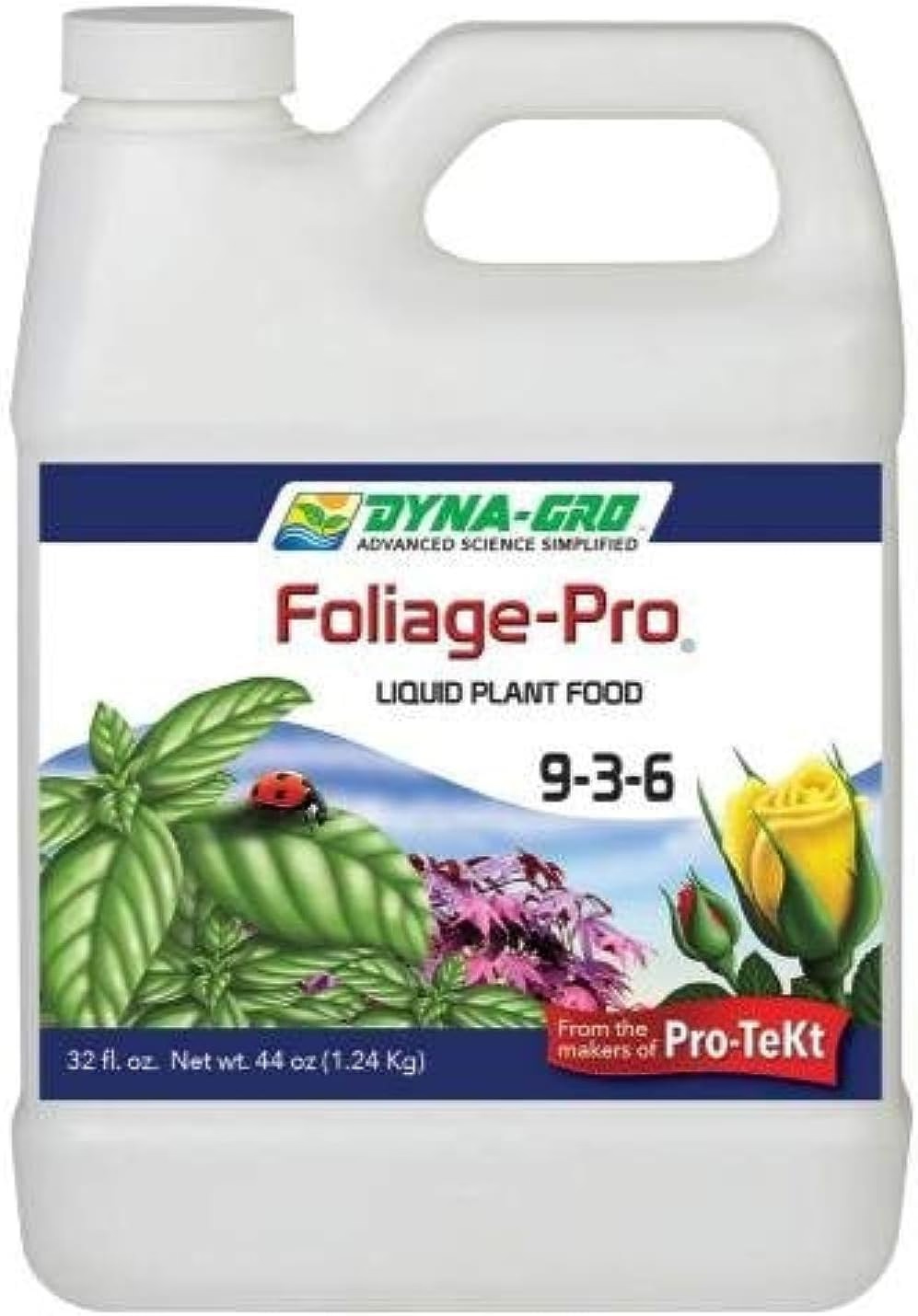
Organic Liquid Plant Food (FoxFarm)
A liquid organic plant food. Applied at label rate during active growth; most houseplants do better at reduced strength and not at all in winter.
View on Amazon ↗
PlantSavvyWorld
Editorial team
PlantSavvyWorld is an independent botanical education project. Articles are drafted with AI assistance, then edited and checked against university extension services, botanical garden collections and other published horticultural sources.
💬 Discussion