


STOP scrolling!✋ Your plant's aesthetic is about to level UP..!
Written with AI assistance, edited and checked against horticultural sources.
STOP scrolling!✋ Your plant's aesthetic is about to level UP..!
For years, I approached plant care with a sort of checklist mentality. But when my beloved Alocasia dropped all its leaves overnight and my Monstera refused to unfurl a new fenestration for months, I realized the limitations of that approach. It wasn't enough to just provide light and water; I needed to understand the "why" behind their well-being.It's about fostering an environment where their natural physiology can flourish, leading to vibrant growth and stunning aesthetics.
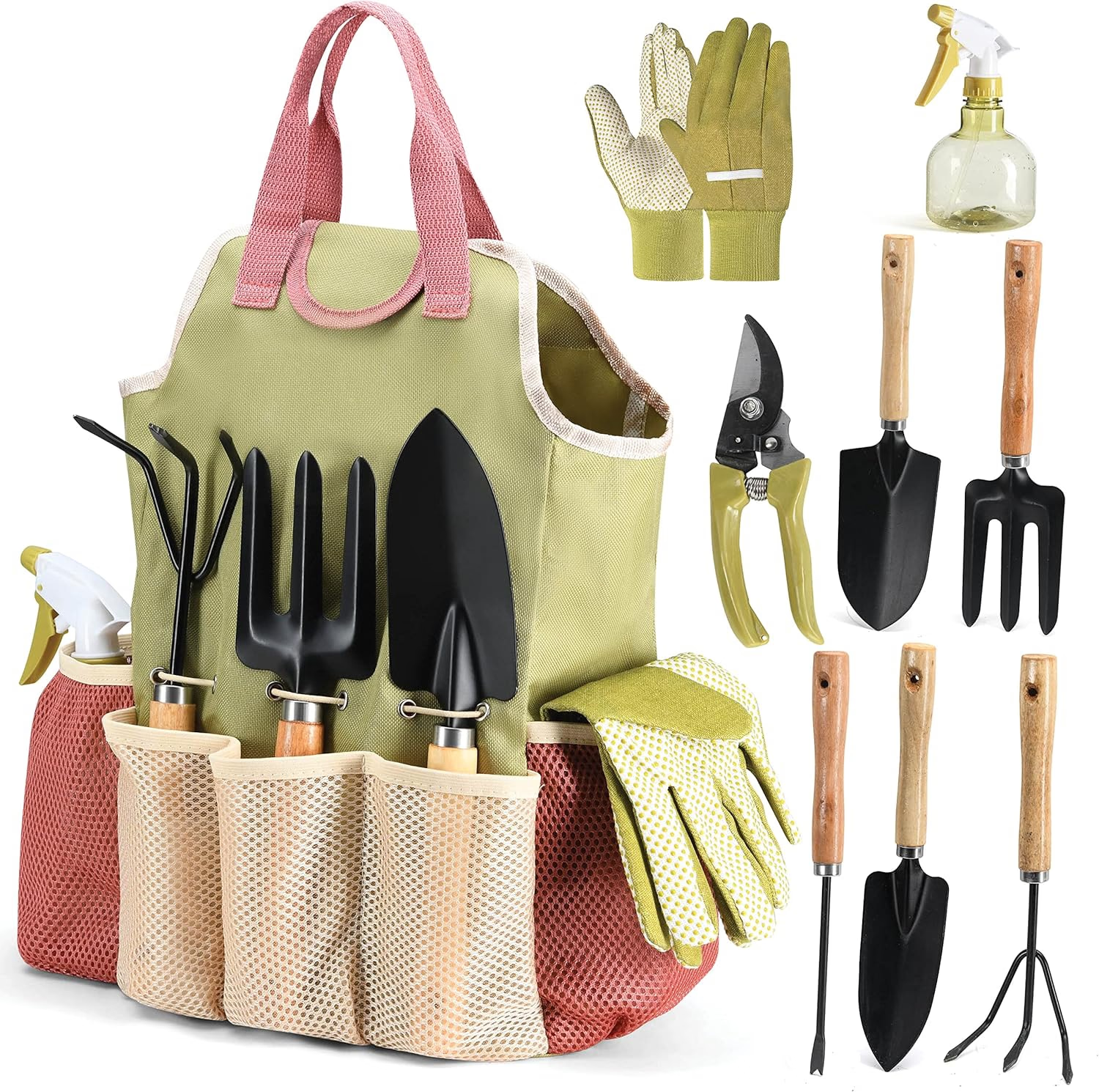
PLAY22 Gardening Tools Set of 10
A 10-piece hand tool set with a carry bag — trowel, transplanter, pruners and weeder. Suited to repotting and general container work.
View on Amazon ↗1. Botanical Overview & Natural Habitat
The secret to a truly elevated plant aesthetic lies beneath the surface, in the often-overlooked root zone. This is where the magic of nutrient uptake, water absorption, and gas exchange occurs, directly impacting every leaf, stem, and bloom above. At the root zone (rhizosphere), gas exchange is just as critical as moisture. When potting mix becomes dense, muddy, or suffocated by standing drainage water, fine root hairs quickly suffer from hypoxia (oxygen deprivation). This creates a perfect breeding ground for opportunistic fungal pathogens like Pythium and Phytophthora, leading to root rot and a cascade of visible symptoms like yellowing leaves, wilting, and stunted growth. Conversely, an open, biologically active substrate enables robust nutrient uptake and rapid vegetative vigor, translating directly to lusher foliage, more vibrant colors, and a generally more aesthetically pleasing plant.
Understanding the native environments of our houseplants is crucial. Most popular indoor plants originate from tropical rainforests, where they typically grow epiphytically on trees or in the rich, well-draining humus of the forest floor. These environments are characterized by:
- High Humidity: Consistent moisture in the air, often above 60-70%.
- Filtered Light: Sunlight that is diffused by the dense canopy, avoiding harsh, direct rays.
- Aerated Substrate: Soil that is loose, crumbly, and drains exceptionally well, mimicking the decomposition of organic matter and the airy conditions found in tree bark.
- Fluctuating Moisture Levels: While humid, these environments experience periods of drying out between rainfall, preventing waterlogged conditions.
This understanding informs our approach to indoor care. We need to replicate these conditions as closely as possible within our homes to allow our plants to express their full aesthetic potential.
"Successful indoor gardening isn't a game of luck—it is the art of respecting root biology and working in harmony with natural physiological cycles." This philosophy underpins every successful plant parent's journey. It means shifting from a purely aesthetic-driven approach to one that prioritizes the plant's fundamental needs. When the roots are happy and healthy, the rest of the plant will follow, showcasing its natural beauty.
2. Essential Environmental & Care Requirements
To achieve that "level up" in your plant's aesthetic, we need to meticulously manage its environment. This involves a deep dive into the key parameters that dictate plant health and, consequently, its visual appeal.
Here’s a breakdown of critical factors and how to optimize them:
Lighting: The Photosynthesis Engine
Light is the fundamental energy source for plant growth. While "bright, indirect light" is a common recommendation, understanding what that truly means is key. For most tropical foliage plants, this translates to an environment where you can comfortably read a book at midday without turning on a lamp. Think near a south-facing window (in the Northern Hemisphere) but with a sheer curtain or a few feet away from direct exposure.
- Too little light: Leads to etiolation – plants stretching towards the light, resulting in weak, spindly stems and smaller, paler leaves. This drastically reduces aesthetic appeal.
- Too much direct light: Can scorch delicate leaves, causing brown, crispy patches that are irreversible and detract from the plant's beauty.
Photoperiod refers to the duration of light exposure. Most houseplants benefit from 10-12 hours of light per day, mimicking natural daylight cycles. Grow lights can supplement natural light, especially in darker months or spaces.
Substrate: The Foundation of Health
The potting mix is the plant's anchor and nutrient reservoir. The mistake of using heavy, garden soil indoors is incredibly common and devastating. This soil compacts easily, holding too much water and starving the roots of oxygen.
- Optimal Substrate: A blend incorporating perlite, orchid bark, coco coir, or pumice creates air pockets. This allows water to drain freely while retaining adequate moisture for root absorption. A common recipe I use is 1 part potting soil, 1 part perlite, and 1 part orchid bark. This is a fantastic all-rounder for many popular houseplants.
- Why it Matters: A well-aerated substrate prevents root rot, the silent killer of many houseplants. Healthy roots are essential for nutrient and water uptake, directly translating to lush foliage and vigorous growth.
For a deeper dive into understanding soil composition and its impact, explore resources from university extension services like the Oregon State University Extension Service on Soil Health.
Hydration: The Delicate Balance
Watering is perhaps the most misunderstood aspect of plant care. The "water when the top inch is dry" rule is a good starting point, but it requires observation and adaptation.
- Overwatering: The most frequent culprit for plant demise indoors. It suffocates roots, leading to rot. Symptoms include yellowing leaves, wilting (even when soil is wet), and mushy stems.
- Underwatering: While less common indoors, it leads to wilting, crispy leaf edges, and slow growth.
- The Right Way: Water thoroughly until water runs out of the drainage holes. Discard any excess water from the saucer within 15-30 minutes. This ensures the entire root ball is moistened without leaving roots to sit in stagnant water. Allowing the top 1-2 inches (2.5-5 cm) of soil to dry out before watering again provides a crucial drying period that benefits root respiration.
Temperature and Humidity: Mimicking the Tropics
Most indoor plants are tropical by nature and thrive in consistent, warm temperatures. Extreme fluctuations, like those near heating vents or drafty windows, can cause shock.
- Temperature: Ideal indoor temperatures for most houseplants fall between 65-75°F (18-24°C). Avoid letting temperatures drop below 50°F (10°C) for extended periods.
- Humidity: Dry indoor air, especially during winter heating seasons, can be a major stressor. Crispy brown leaf tips are a common sign of low humidity. Grouping plants, using a pebble tray with water, or employing a humidifier can significantly improve humidity levels.
3. Step-by-Step Cultivation, Feeding & Propagation
Transforming your plants' aesthetic requires a systematic approach. Here is the proven, systematic protocol I personally follow in a greenhouse to implement, especially during the active growing season (early spring through mid-summer).
- Optimize Container Aeration:
- Action: Ensure all pots have ample drainage holes – at least 3-5 holes for a 6-inch pot. If your pots lack sufficient drainage, consider repotting into containers that do. Amend your standard potting mix with 30% coarse perlite, pumice, or orchid bark. This is non-negotiable for preventing compaction and ensuring oxygen reaches the roots.
- Why: This creates a porous substrate structure, allowing excess water to drain away quickly and air to circulate freely. A dense, waterlogged mix is the fastest route to root rot and an unhealthy, unattractive plant.
- Stabilize Climate & Micro-Environment:
- Action: Position plants away from direct contact with heating and cooling vents. Keep them at least 3 feet (about 1 meter) away from cold winter drafts from windows or doors. Aim for consistent room temperatures between 65-75°F (18-24°C). Consider using a humidifier or pebble trays to increase local humidity, especially in dry environments.
- Why: Sudden temperature shifts or blasts of dry, forced air can shock a plant's system, leading to leaf drop, browning, and stalled growth. Creating a stable micro-environment allows the plant to focus its energy on healthy development.
- Apply Dilute Organic Nutrients:
- Action: During the active vegetative growth phases (typically spring and summer), feed your plants with a balanced, organic liquid fertilizer diluted to half or even quarter strength. Apply this after watering to avoid root burn. A feeding schedule of once every 4-6 weeks is usually sufficient for most houseplants.
- Why: Young, actively growing plants have a higher demand for nutrients. However, over-fertilizing can damage delicate root hairs, leading to leaf burn and nutrient imbalances. Dilute feeding provides essential elements for cell division and chlorophyll production without overwhelming the plant, promoting lush, vibrant foliage.
- Pruning for Shape and Vigor:
- Action: Regularly inspect your plants for dead, damaged, or leggy stems. Use clean, sharp pruning shears to remove these. For plants like Pothos or Philodendron, pinching back the growing tips will encourage bushier growth.
- Why: Pruning redirects the plant's energy to producing new, healthy growth. It also helps maintain a desired shape and can prevent overcrowding, which can lead to poor air circulation and increased disease risk. This is crucial for achieving a sculpted, aesthetically pleasing form.
- Cleaning Foliage:
- Action: Gently wipe down leaves with a damp cloth every few weeks, or give plants a gentle shower in the sink. Use lukewarm water.
- Why: Dust accumulation on leaves blocks sunlight, hindering photosynthesis. It can also harbor pests. Clean leaves are more efficient at capturing light, leading to better energy production and a more vibrant, glossy appearance.
💡 Pro-Tip: Always hydrate with room-temperature water; icy tap water induces thermal root shock and halts nutrient absorption for hours. Allowing tap water to sit out for 24 hours can also help dissipate chlorine, which some sensitive plants can react to.
⚠️ Important Caution: Never let pots stand in saucer runoff water for more than fifteen minutes; stagnant water creates anaerobic conditions that rapidly cause root rot and invite fungal gnats. Ensure excellent drainage and prompt removal of excess water.
Propagation for Expansion
Once your plants are thriving, you might want to expand your collection or share cuttings with friends. Many popular houseplants are easily propagated, which is a rewarding part of the journey.
- Stem Cuttings: For vining plants like Pothos, Philodendron, and String of Hearts, take stem cuttings that include at least one leaf node. Place these in water or moist, well-draining substrate. Roots will typically emerge from the nodes.
- Leaf Cuttings: Snake plants (Sansevieria) and ZZ plants can be propagated from single leaves. Cut a healthy leaf into sections, ensuring each section has a bit of the stem attached. Plant them upright in a well-draining mix.
- Division: For clumping plants like Snake Plants, Cast Iron Plants, or some ferns, propagation is as simple as dividing the root ball during repotting. Gently separate sections of the plant, ensuring each has roots and at least one shoot, and repot them individually.
Ensure you are propagating during the active growing season for the best success rates.
4. Common Problems, Pests & Troubleshooting
Even with the best care, your plants may encounter issues. Understanding common problems and their causes is vital for maintaining their aesthetic appeal.
Browning Leaf Margins and Tips
- Cause: Most often, this is a sign of underwatering, low humidity, or salt buildup from over-fertilization. It can also be caused by being too close to a heating vent.
- Solution: Check soil moisture. If dry, water thoroughly. If consistently moist, increase humidity. Flush the soil by watering heavily a couple of times to wash away excess mineral salts. Move plants away from heat sources. Trim off brown tips with sterile scissors, leaving a tiny sliver of brown to avoid cutting into healthy tissue.
Yellowing Leaves
- Cause: This is a classic symptom of overwatering. The roots are suffocating and cannot absorb nutrients, leading to senescence (leaf aging). It can also occur from severe underwatering or nutrient deficiency if plants haven't been fed in a long time.
- Solution: For overwatering, allow the soil to dry out significantly before watering again. Ensure excellent drainage. If the plant is in very wet soil, you might need to repot it into fresh, dry, well-draining mix. For underwatering, water thoroughly. If it's a nutrient issue, apply a diluted fertilizer during the growing season.
Stunted Growth or Slow New Growth
- Cause: This can be due to insufficient light, a depleted nutrient supply, being root-bound, or a too-cold environment.
- Solution: Assess light levels. Move the plant to a brighter location if needed. Repot if the plant is severely root-bound (roots circling the pot or growing out of drainage holes). Fertilize during the growing season. Ensure the ambient temperature is within the plant's preferred range.
Pest Infestations
- Common Pests: Spider mites, mealybugs, aphids, and scale are common indoor plant pests.
- Identification:
- Spider Mites: Tiny, often red or brown mites that spin fine webbing, usually on the undersides of leaves.
- Mealybugs: Small, white, cottony insects found in leaf axils and on stems.
- Aphids: Small, green, black, or brown insects clustered on new growth.
- Scale: Small, immobile insects that look like brown or tan bumps on stems and leaves.
- Solution:
- Isolation: Immediately isolate infested plants to prevent spread.
- Manual Removal: For minor infestations, manually remove pests with a damp cloth, cotton swab dipped in rubbing alcohol, or a strong jet of water.
- Insecticidal Soap or Neem Oil: These are effective organic treatments. Apply thoroughly to all plant surfaces, including undersides of leaves, following product instructions. Repeat every 7-10 days until pests are gone.
- Systemic Insecticides: For severe or persistent infestations, consider a systemic insecticide applied to the soil.
- Improve Conditions: Pests often target stressed plants. Ensure your plant has optimal light, watering, and humidity to build resilience.
For comprehensive pest identification and management, consult resources like the University of California Integrated Pest Management Program.
5. Frequently Asked Questions
When is the best time of year to implement these changes for my plants?
The optimal time to implement these care changes is during the active growing season, which for most indoor plants is from early spring through mid-summer. During this period, plants have the most energy to adapt to new conditions, utilize increased light, and respond to fresh nutrients. If repotting, this is also the ideal time. During winter dormancy, focus on reducing watering frequency and cease fertilization to allow the plant to rest.
How quickly will I see visible improvements in my plant's appearance?
Most healthy foliage houseplants respond visibly within 7 to 14 days after implementing these optimized care practices. You can expect to see noticeable improvements in leaf turgidity (plumpness), a deeper emerald color in green foliage, and active apical shoot emergence if the plant was previously stalled. Significant growth spurts may take a few weeks to a couple of months.
Is this technique suitable for all indoor plant varieties, even succulents and cacti?
This comprehensive approach is exceptionally effective for tropical foliage plants such as Monsteras, Philodendrons, Pothos, Snake Plants (Sansevieria), Calatheas, and Ferns. While the core principles of good drainage and aeration are universal, succulents and cacti require a much grittier, faster-draining substrate and a more infrequent watering schedule. Their "optimal condition" for substrate would be closer to 50-70% inorganic material like perlite or pumice, and their watering should be much less frequent, allowing the soil to dry out completely and stay dry for longer periods.
My plant has yellow leaves even though I’m not overwatering. What else could it be?
Yellowing leaves can stem from several issues beyond overwatering. A common cause is underwatering, where the plant cannot maintain turgor pressure. Another significant factor is nutrient deficiency; if your plant hasn't been fertilized in over a year or uses a very simple potting mix, it might be lacking essential nutrients like nitrogen. Check if the plant is root-bound; constricting roots can impede nutrient and water uptake, leading to yellowing. Finally, consider environmental shock – a sudden change in temperature, light, or location can stress a plant, manifesting as yellowing leaves. Inspect your plant's roots, assess your watering consistency, and ensure its environment is stable.
Have you tried this technique with your own houseplants? Share your results with our global grower community on the Community Forum, explore more expert guides on Plant Tips, or visit our Home Page for comprehensive plant care archives.
📋 Table of Contents ▼ Click to expand
PlantSavvyWorld
Editorial team
PlantSavvyWorld is an independent botanical education project. Articles are drafted with AI assistance, then edited and checked against university extension services, botanical garden collections and other published horticultural sources.
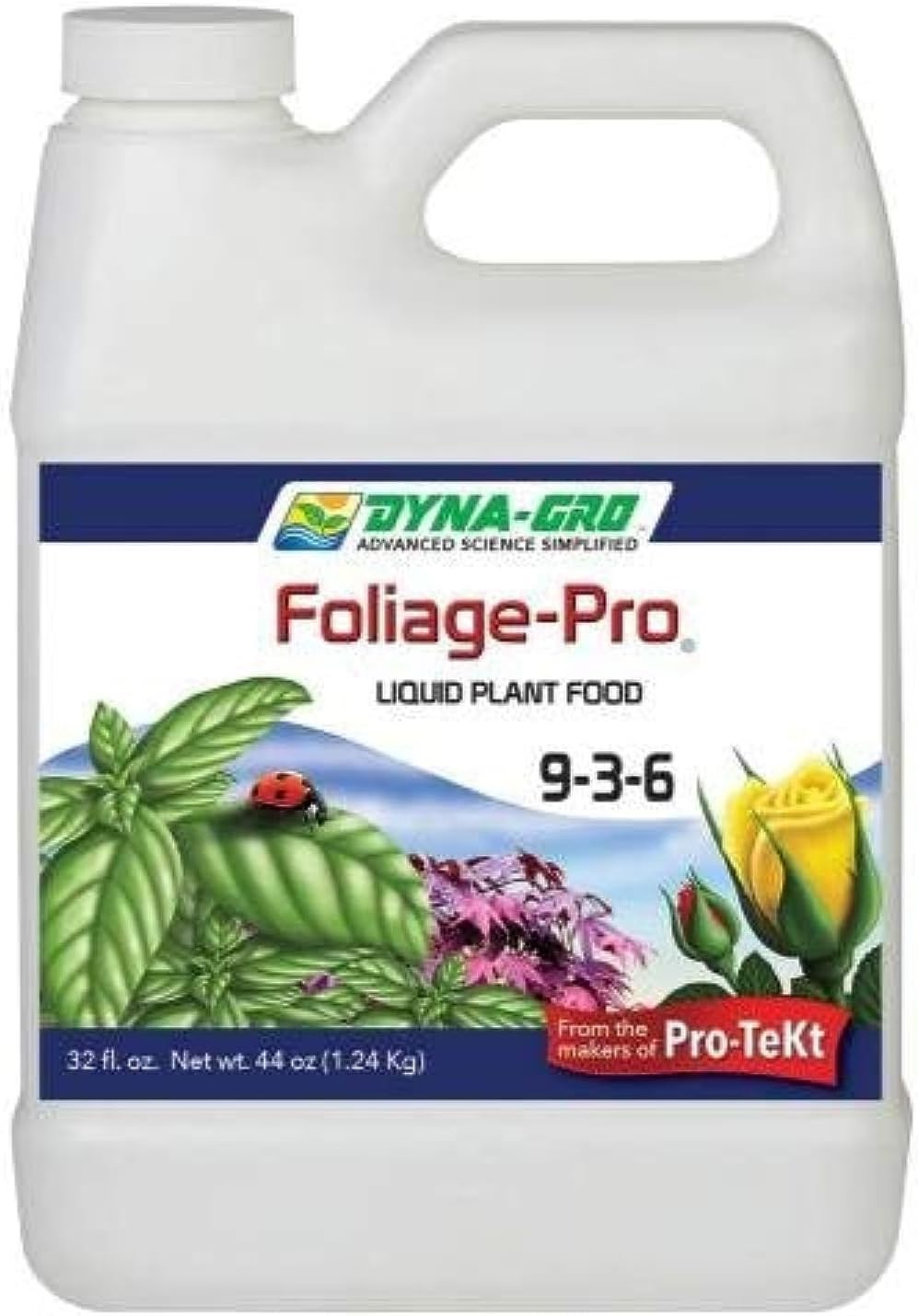
Organic Liquid Plant Food (FoxFarm)
A liquid organic plant food. Applied at label rate during active growth; most houseplants do better at reduced strength and not at all in winter.
View on Amazon ↗
PlantSavvyWorld
Editorial team
PlantSavvyWorld is an independent botanical education project. Articles are drafted with AI assistance, then edited and checked against university extension services, botanical garden collections and other published horticultural sources.
💬 Discussion