


How to Trick Stubborn Seeds and Bulbs into Blooming Using Cold Stratification
Written with AI assistance, edited and checked against horticultural sources.
Weeks turned into months. Nothing happened. The dirt remained barren, and my expensive investments sat lifelessly beneath the soil surface. Frustrated and convinced I had bought dead stock, I dug one up, only to find it completely unchanged—neither rotted nor sprouted, just stubbornly, resolutely asleep.
That was the pivotal moment I realized that successful gardening isn't just about providing water and sunlight; it requires understanding the intricate biochemical clocks of plants. I have since helped thousands of gardeners unlock the secret mechanisms that wake these sleeping beauties up. The master key to this botanical lock is a technique known as cold stratification.
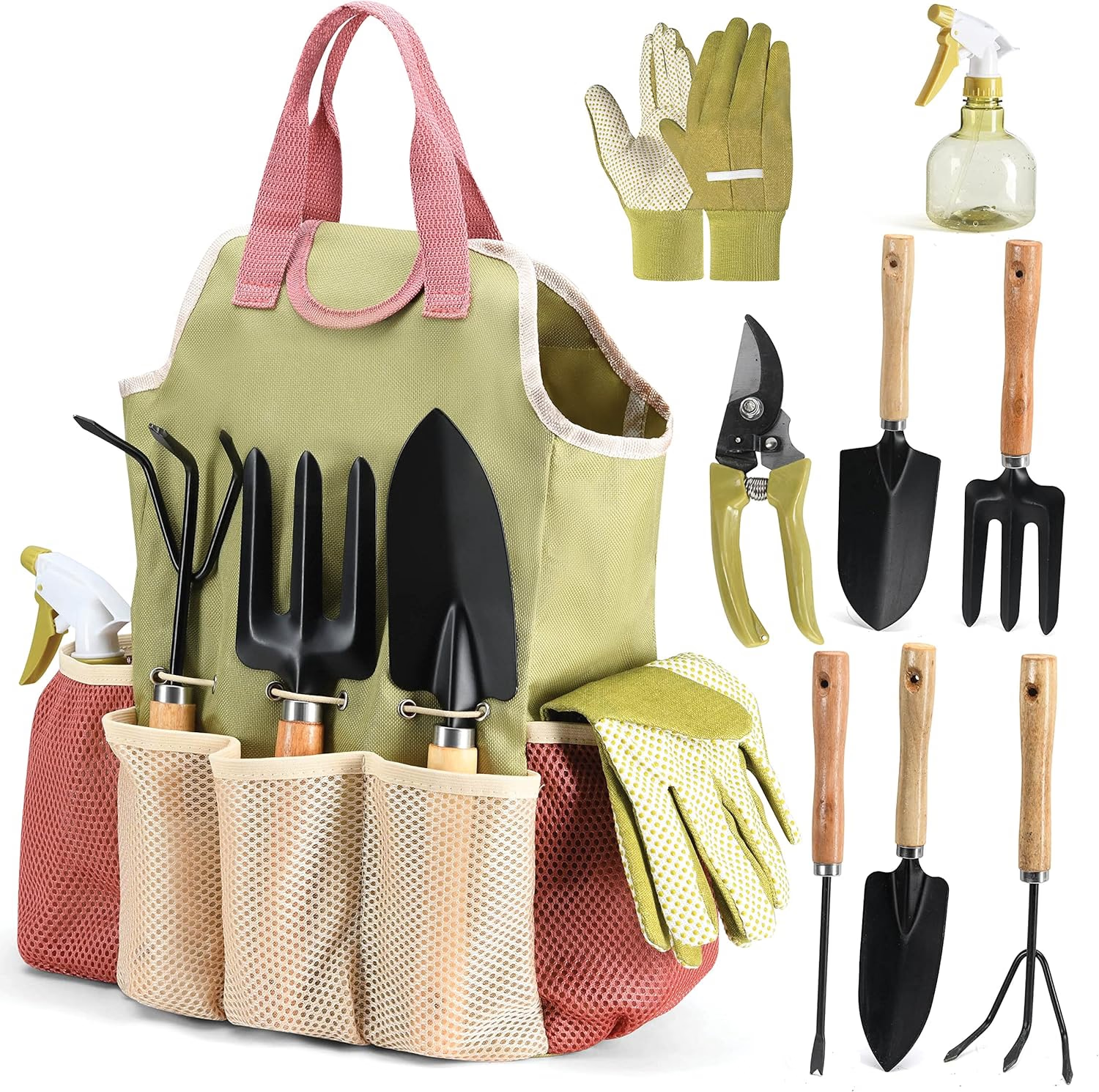
PLAY22 Gardening Tools Set of 10
A 10-piece hand tool set with a carry bag — trowel, transplanter, pruners and weeder. Suited to repotting and general container work.
View on Amazon ↗1. Botanical Overview & Natural Habitat
What I was experiencing in my early gardening days was not a failure of my green thumb, but rather a brilliant evolutionary survival strategy honed over millions of years. In temperate, alpine, and boreal ecosystems, many native plants produce seeds and bulbs that mature in late summer or autumn. If these seeds or bulbs germinated immediately after dropping into the warm autumn soil, the impending freezing winter snow, frost, and sub-zero ice would instantly rupture their tender cellular walls and kill the fragile new growth.
To prevent this catastrophic loss, nature engineered an elegant biological safety lock known as embryo dormancy. Inside the tissue of these seeds and bulbs, plants synthesize high concentrations of internal chemical growth inhibitors—most notably abscisic acid (ABA).
Dormancy is not plant inactivity; it is an active biochemical defense mechanism designed to protect future generations from seasonal extremes.
To break this chemical paralysis, the plant requires a sustained period of cold, moist conditions—a process scientifically designated as cold moist stratification (for seeds) or vernalization (for spring-flowering bulbs). During this period, cold temperatures combined with moisture slowly degrade the ABA inhibitors while simultaneously triggering the synthesis of gibberellins (GA) and auxins—the primary growth-promoting hormones. Without this biochemical reset, the cell division machinery within the plant embryo simply refuses to ignite.
In natural habitats, this process unfolds beneath deep snow cover and damp leaf litter over 30 to 120 days. The fluctuating, cold dampness of late autumn and winter acts as a natural timer. Only when a specific threshold of chilling hours is reached will the embryo register that winter has passed and spring has arrived safely. For detailed insights into global plant distributions and evolutionary adaptations, you can review resources provided by the Royal Horticultural Society.
2. Essential Environmental & Care Requirements
Faking a winter inside your home requires replicating four interconnected environmental vectors: temperature, moisture, aeration, and duration. Failing to balance any one of these parameters will result in either rotted material or seeds that remain stubbornly dormant.
Chilling Temperature Window
The optimal stratification temperature range strictly sits between 34°F and 40°F (1°C to 4°C).
- Temperatures rising above 45°F (7°C) will halt the breakdown of ABA and can actually re-trigger secondary dormancy in certain alpine seeds.
- Temperatures dropping below 32°F (0°C) cause water to freeze into micro-ice crystals, which can puncture cell membranes within unhardened embryos.
Moisture and Oxygen Balance
Moisture acts as the enzymatic vehicle that carries away metabolic waste and allows hormones to shift within the seed coat. However, saturated, stagnant conditions deprive the seed embryo of oxygen, encouraging anaerobic fungal pathogens like Pythium and Botrytis. The medium must feel like a thoroughly wrung-out sponge: damp to the touch, but releasing zero drops of liquid when squeezed firmly between your fingers.
The Ethylene Factor
Bulbs and seeds undergo cellular respiration even while dormant. Storing them in sealed spaces alongside ethylene-emitting produce like apples, bananas, or tomatoes will permanently damage the delicate embryonic floral primordia inside spring bulbs, causing blindness (failure to bloom) or complete bulb decay.
The table below outlines the ideal micro-environmental parameters required to break dormancy across plant groups:
3. Step-by-Step Cultivation, Feeding & Propagation
Artificially stratifying seeds and bulbs in your domestic refrigerator allows you to break dormancy out of season, giving you a head start on the growing period. Follow this tested protocol for maximum germination rates.
Step-by-Step Stratification Protocol
- Clean and Inspect: Carefully inspect your seeds or bulbs. Gently brush off loose soil or debris. Discard any specimens displaying soft spots, severe discoloration, visible mold, or rancid odors. For hard-coated seeds (like Lupinus or Baptisia), perform light scarification by rubbing the seed coat gently with 220-grit sandpaper before moistening.
- Prepare the Substrate: Choose a sterile, moisture-retentive medium. Milled sphagnum peat moss, coarse horticultural vermiculite, or unbleached paper towels work best. Moisten the material with distilled water until damp, then squeeze hard to expel all excess water.
- Incorporate and Enclose:
- For Seeds: Mix tiny seeds directly into a handful of damp medium, or sandwich larger seeds flat between layers of moist paper towel.
- For Bulbs: Wrap individual bulbs loosely in moist peat moss or fresh, damp newsprint so they do not touch one another directly.
- Seal, Label, and Isolate: Place your prepared seeds or bulbs into clean zip-top plastic bags or breathable plastic containers. Label the container clearly using waterproof ink with the plant species, start date, and target exit date. Keep them far away from fruit drawers containing apples or bananas.
- Refrigerate and Monitor: Store the containers in the back of your refrigerator's crisper drawer where temperatures remain steady at 35°F to 38°F (2°C to 3°C). Check the bags every 10 to 14 days. Open the bag for 5 seconds to exchange fresh air, check for drying, and inspect for mold growth. If the medium feels dry, spray with 1 to 2 mists of distilled water.
- Potting and Warm Transition: Once the mandatory chilling period ends (typically 30 to 90 days depending on the species), carefully remove the seeds or bulbs. Plant seeds at a depth equal to twice their diameter (typically 0.125 to 0.25 inches / 3 to 6 mm deep) in a well-draining seed-starting mix. Plant chilled tulip or daffodil bulbs 6 to 8 inches (15 to 20 cm) deep. Move containers to a warm location (65°F to 72°F / 18°C to 22°C) under bright grow lights to initiate rapid top growth.
💡 Pro-Tip: If you notice tiny white radicle roots emerging while your seeds are still inside the refrigerator, do not panic! They have successfully completed their stratification cycle and are eager to grow. Remove them immediately and gently plant them into moist soil mix under grow lights. Delaying planting once the radicle emerges will lead to root damage or rot.
⚠️ Important Caution: Never store your bulbs or seeds for cold stratification inside the same refrigerator compartment as ripening fruits like apples, pears, or bananas. Ripening fruit releases concentrated ethylene gas, which damages dormant floral structures inside bulbs, causes seed embryo abortion, and induces premature decay!
Comparison of Cold Requirement Protocols
Different species evolved under unique microclimatic conditions and demand varying cold durations to degrade their hormone inhibitors. Refer to the standard requirement protocol table below:
For additional scientific background on seed morphology and embryo development, consult research published through the Penn State Extension.
4. Common Problems, Pests & Troubleshooting
Cold stratification takes place in a dark, cool, moist ecosystem—the ideal environment for opportunistic fungi if hygiene is compromised. Here is how to diagnose and fix issues before they ruin your propagation work.
Mold and Fungal Spores
- Symptom: Fine white, gray, or blue web-like threads forming over paper towels, peat moss, or seed coats.
- Cause: Excess moisture paired with lack of air circulation or unsterilized medium.
- Solution: Remove affected seeds immediately. Wash them gently in a dilute solution of 3% hydrogen peroxide (1 part peroxide to 10 parts distilled water). Replace the paper towel or peat moss with fresh, sterile, slightly drier medium, and increase air exchange frequency to once per week.
Premature Sprouting in the Fridge
- Symptom: Long, pale white, leggy shoots or delicate radicles emerging inside the zip-top bag weeks before your scheduled spring planting date.
- Cause: The stratification requirement was met earlier than anticipated, or fridge temperatures fluctuated above 40°F (4°C).
- Solution: Carefully transfer sprouted seeds out of the fridge. Plant them in small pots filled with moist seed-starting mix, placing the radicle facing downward. Put them under indoor light fixtures in a cool room (60°F to 65°F / 15°C to 18°C) to prevent leggy growth.
Secondary Dormancy Failure
- Symptom: Seeds fail to germinate after being removed from cold stratification and placed in warm soil.
- Cause: Exposure to extreme heat (>80°F / 27°C) immediately after cold stratification can trick seeds back into a protective secondary dormancy.
- Solution: Keep newly potted, stratified seeds in a temperate environment (65°F to 70°F / 18°C to 21°C). If secondary dormancy triggers, seeds will require an additional 3- to 4-week cold cycle to reset.
5. Frequently Asked Questions
What happens if I skip cold stratification for seeds that require it?
If you skip this step, the high concentration of internal germination inhibitors like abscisic acid (ABA) will remain fully active inside the seed embryo. The seeds will sit in warm soil without absorbing water properly, failing to activate the enzymes needed to push out a root radicle. Eventually, the dormant seed will decay in the soil without ever sprouting.
Can I use a standard kitchen freezer instead of a refrigerator?
No. Household freezers operate well below 32°F (0°C), typically around 0°F (-18°C). Freezing temperatures cause water trapped inside non-desiccated seed cells to expand into sharp micro-ice crystals. These crystals puncture internal cellular membranes, killing the delicate plant embryo inside. Cold stratification requires cool, moist conditions above freezing, ideally between 34°F and 40°F (1°C to 4°C) in a standard refrigerator.
How do I know if my tulip bulbs have received enough chilling hours?
Successfully chilled bulbs will feel firm to the touch, and their basal plate (the bottom root ring) will show slight swelling or tiny, firm white root nubs. The tip of the bulb may also display a small, dense green or pale shoot pushing upward. Once they have met their species-specific duration—typically 10 to 14 weeks for tulips—they are ready to be planted outdoors or forced indoors.
What is the difference between cold dry stratification and cold moist stratification?
Cold dry stratification involves exposing bone-dry seeds to cold temperatures, which works for a very select few species (like certain prairie grasses). Cold moist stratification combines cool temperatures with continuous moisture. Moisture is essential for most cold-climate perennials, trees, and spring bulbs because water acts as the chemical solvent required to break down abscisic acid and stimulate growth-promoting hormones.
Can I cold stratify seeds directly outdoors during the winter?
Yes! Outdoor winter sowing is the natural way to stratify seeds. You can plant seeds in late autumn or early winter in milk jugs, nursery flats, or prepared garden beds. Nature will supply the natural chilling hours, rainfall, and freeze-thaw cycles. However, artificial indoor stratification gives you total control over moisture levels, temperature consistency, and protection from seed-eating pests like mice, birds, and squirrels.
📋 Table of Contents ▼ Click to expand
PlantSavvyWorld
Editorial team
PlantSavvyWorld is an independent botanical education project. Articles are drafted with AI assistance, then edited and checked against university extension services, botanical garden collections and other published horticultural sources.
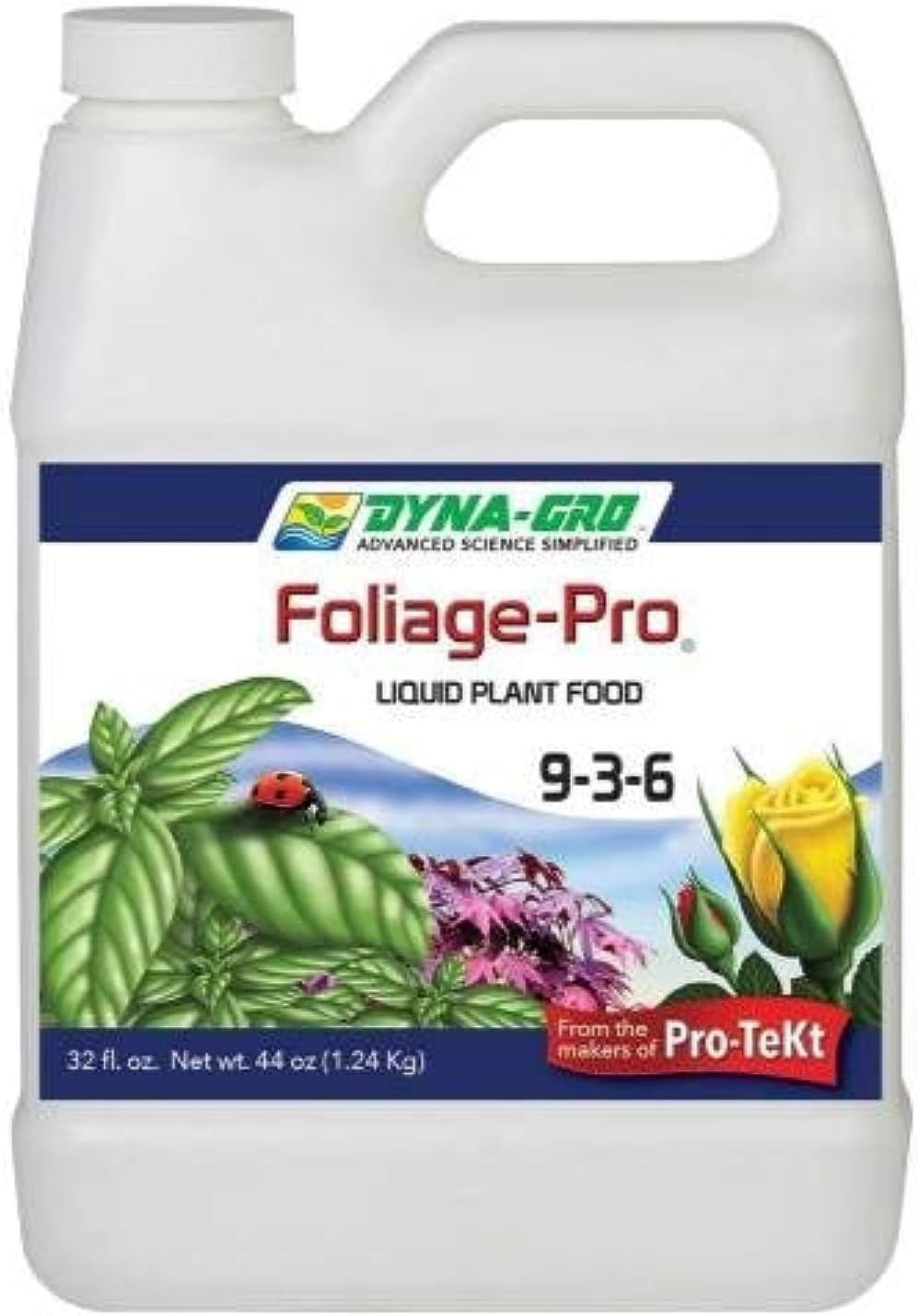
Organic Liquid Plant Food (FoxFarm)
A liquid organic plant food. Applied at label rate during active growth; most houseplants do better at reduced strength and not at all in winter.
View on Amazon ↗
PlantSavvyWorld
Editorial team
PlantSavvyWorld is an independent botanical education project. Articles are drafted with AI assistance, then edited and checked against university extension services, botanical garden collections and other published horticultural sources.
💬 Discussion