


Have you ever noticed a strangely bare, empty patch of dirt under a massive Walnut tree...
Written with AI assistance, edited and checked against horticultural sources.
A towering 60-year-old Eastern Black Walnut (Juglans nigra) creates a desolate, circular zone of dead soil where standard textbook advice—applying generous compost, regular irrigation, and planting premium perennials—fails because every single plant will wilt, blacken at the stem base, and collapse within three weeks.
That empty, eerie ring beneath a walnut tree is not dead dirt; it is an active biochemical battlefield driven by allelopathy and aggressive rhizosphere dynamics.
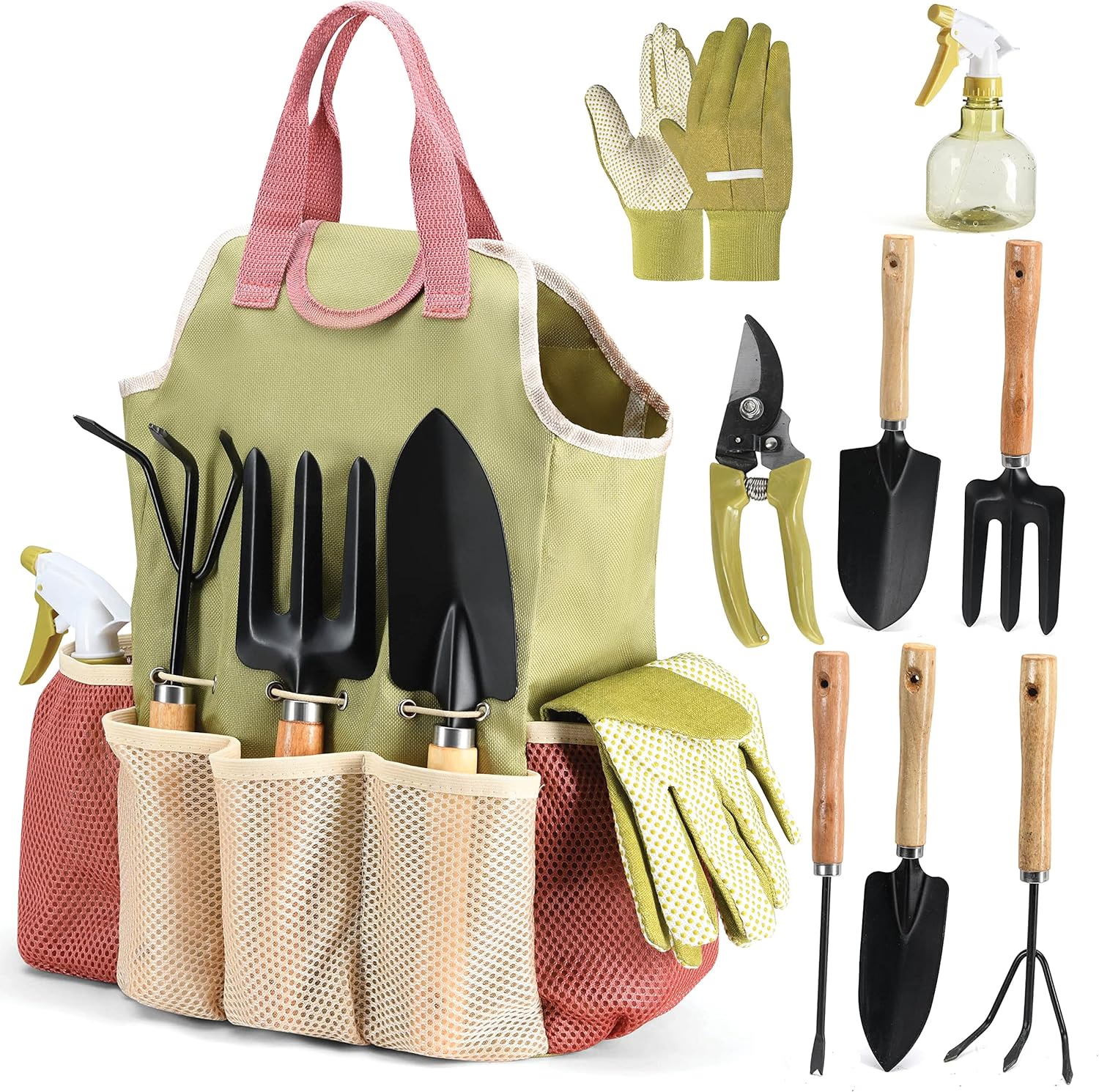
PLAY22 Gardening Tools Set of 10
A 10-piece hand tool set with a carry bag — trowel, transplanter, pruners and weeder. Suited to repotting and general container work.
View on Amazon ↗1. Botanical Overview & Natural Habitat
The genus Juglans, encompassing the native North American Eastern Black Walnut (Juglans nigra), Butternut (Juglans cinerea), and the cultivated English or Persian Walnut (Juglans regia), possesses one of the most sophisticated chemical defense mechanisms in the plant kingdom: allelopathy.
In their native hardwood forests across the eastern and central United States, Black Walnuts thrive in deep, rich, well-drained alluvial bottomlands where summer temperatures routinely fluctuate between 70°F and 90°F (21°C to 32°C) and annual precipitation exceeds 35 to 45 inches (89 to 114 cm). In these dense forest ecosystems, competing for light, bioavailable nitrogen, and hydration is fierce. To establish territorial dominance, the walnut synthesizes a non-toxic, colorless glucoside known as hydrojuglone within its leaves, nuts, bark, and extensive taproot system.
When walnut tissue drops to the earth, or when living roots exude hydrojuglone into the surrounding soil, exposure to ambient air and soil microbes oxidizes the compound into juglone (5-hydroxy-1,4-naphthoquinone). Juglone is a potent metabolic inhibitor. At concentrations as low as 1 micromolar in the soil solution, it disrupts cellular respiration in susceptible plants by shutting down the plasma membrane H+-ATPase enzyme. This stops mitochondrial electron transport, halts water and nutrient transpiration, causes sudden loss of cell turgor, and induces rapid vascular collapse.
The zone of allelopathic inhibition extends far beyond the physical trunk. A mature walnut measuring 50 to 75 feet (15 to 23 meters) in height develops an underground lateral root system that frequently stretches 50 to 80 feet (15 to 24 meters) outward—often 1.5 to 2 times the radius of the outer drip line. Soil within this perimeter carries a persistent reserve of active juglone, creating the barren earth patch observed in unmanaged landscapes.
For an extensive biochemical breakdown of allelochemical dynamics, consult the research provided by the Penn State Extension Guide on Juglone Toxicity.
2. Essential Environmental & Care Requirements
Gardening under or near walnut canopies requires a deep understanding of soil physics, gas exchange, and chemical tolerance. At the root zone (rhizosphere), gas exchange is just as critical as moisture. When potting mix or garden soil becomes dense, muddy, or suffocated by standing drainage water, fine root hairs quickly suffer from hypoxia (oxygen deprivation), leaving the door wide open for opportunistic fungal pathogens like Pythium and Phytophthora. When hypoxia pairs with juglone-induced metabolic stress, susceptible plants perish within 48 to 72 hours.
Understanding environmental parameters lets you select tolerant species and engineer micro-environments where roots can thrive despite allelopathic pressure.
3. Step-by-Step Cultivation, Feeding & Propagation
Transforming the barren zone beneath a walnut tree into a lush, thriving understory garden requires an intentional installation protocol. You cannot simply dig into native soil filled with walnut roots and expect sensitive plants to survive. Follow this step-by-step methodology:
1. Clear and Sanitize the Planting Zone
Begin in early autumn or late winter by systematically raking and removing all fallen walnut leaflets, rachises, twigs, and green fruit husks within the drip line. Never rototill or slice heavily into the soil under the tree; severing walnut roots stimulates emergency exudation of concentrated hydrojuglone, spiking soil toxicity for weeks.
2. Construct Raised Beds or Substrate Wells
Build raised planters directly over the native ground, raising the planting zone 12 to 18 inches (30 to 45 cm) above grade. Line the base with a semi-permeable geotextile root-barrier fabric to stop walnut feeder roots from invading the upper planting mix, while still allowing gravitational drainage. If planting directly into native ground pockets, locate natural gaps between major structural roots without cutting any root thicker than 1 inch (2.5 cm).
3. Blend an Oxygen-Rich, Biologically Active Soil Mix
Fill the planting area or containers with an open, biologically active substrate. Combine:
- 40% composted forest humus / aged pine bark fines
- 30% coarse horticultural perlite or pumice (retaining high pore volume)
- 30% organic compost rich in beneficial soil flora
An open, biologically active substrate enables robust nutrient uptake and rapid vegetative vigor, while fostering bacterial populations (Pseudomonas putida) that naturally consume and neutralize juglone molecules.
4. Select and Install Juglone-Immune Species
Select plants proven to be genetically immune or tolerant to juglone. Dig planting holes 1.5 times wider than the root ball, ensuring the crown rests precisely level with the soil line:
- Tolerant Perennials: Hosta spp., Ferns (e.g., Polystichum acrostichoides, Matteuccia struthiopteris), Astilbe, Dicentra spectabilis, Ajuga reptans, Heuchera.
- Tolerant Shrubs & Understory Trees: Amelanchier (Serviceberry), Cercis canadensis (Eastern Redbud), Ribes spp. (Currants), Asimina triloba (Pawpaw), Hydrangea arborescens.
- Tolerant Vegetables (in lined beds): Corn, onions, beets, squash, beans, carrots. (Avoid Solanaceae species completely!)
For an international database on species-level sensitivity to allelopathic trees, refer to the Royal Horticultural Society Guide on Trees: Underplanting.
5. Hydration and Organic Nutrient Application
Water newly installed plantings thoroughly with room-temperature water (65°F to 75°F / 18°C to 24°C) to settle the substrate around the roots without causing cold-induced vascular constriction. During active vegetative phases, nourish with half-strength organic liquid feeds (such as cold-water kelp extract and liquid humates) to gently fuel cell division without burning sensitive new feeder roots.
💡 Pro-Tip: When establishing understory plants near walnut trees, inoculate the root balls at planting with a diverse mycorrhizal fungus powder containing Glomus intraradices. Mycorrhizal fungi form a protective sheath around tender root tips, filtering out allelopathic toxins and boosting phosphorus uptake by up to 300%.
4. Common Problems, Pests & Troubleshooting
When plants fail under or near walnut trees, growers often misdiagnose the issue as standard nutrient deficiency, drought, or insect damage. Recognizing the difference between allelopathic poisoning, cultural errors, and pathogen pressure is critical to saving your plants.
Juglone Toxicity vs. Fungal Root Rot
- Juglone Poisoning: Occurs rapidly in sensitive species (like Tomatoes, Peppers, Eggplants, Petunias, Azaleas, and Lilacs). The foliage wilts suddenly even when the surrounding soil is thoroughly moist. Stems show brown discoloration inside the vascular cambium, leaves turn yellow and drop, and death follows in 3 to 7 days. There is no cure once vascular collapse starts; the plant must be removed to non-contaminated soil immediately.
- *Hypoxia and Root Rot (Pythium / Phytophthora):* Occurs when overwatered or poorly drained soils deprive roots of oxygen. The roots turn brown, soft, and slough off their outer sheath when pulled. Amend immediately with 30% coarse perlite or pumice to restore gas exchange.
⚠️ Important Caution: Never add walnut leaves, twigs, wood chips, or nut hulls to your home compost pile. Juglone takes 6 to 12 months to break down in hot, aerated compost piles, and up to 24 months in cold, passive piles. Using unaged walnut mulch around vegetable gardens will kill your nightshade crops.
5. Frequently Asked Questions
Why does nothing grow under my black walnut tree?
Black walnut trees exude a biochemical compound called hydrojuglone through their roots, leaves, and nut hulls. When exposed to air and soil microbes, it oxidizes into juglone, a natural herbicide. Juglone blocks cellular respiration and stops water uptake in sensitive plants, creating a bare zone matching the tree's underground root spread.
How far away from a walnut tree do I need to plant tomatoes?
Plant tomatoes and other nightshades at least 50 to 80 feet (15 to 24 meters) away from a mature black walnut trunk, well beyond the outer canopy drip line. Walnut roots spread up to double the radius of the canopy branches. If you must grow tomatoes closer, use sealed raised beds built 18 inches (45 cm) high with a solid bottom liner that walnut roots cannot penetrate.
How long does walnut toxicity stay in the soil after the tree is cut down?
Juglone remains active in the soil for 12 to 24 months after a black walnut tree is removed. The toxin stays present until the remaining underground root system fully decays. You can speed up this breakdown by aerating the soil, keeping it evenly moist, and mixing in aged compost to support juglone-degrading aerobic bacteria.
Can you neutralize juglone in the soil with lime or fertilizers?
No, you cannot neutralize juglone by altering soil pH with lime or by applying synthetic fertilizers. The only effective way to clear the toxin is biological degradation by aerobic soil microorganisms, along with physical dilution from organic matter like leaf mold, aged compost, and biochar, which binds and breaks down the juglone molecule.
Are wood chips from a walnut tree safe to use as garden mulch?
Fresh black walnut wood chips are toxic to many plants and should never be used on vegetable beds or sensitive ornamental borders. However, if the wood chips are composted and aged in an aerated pile exposed to sun, rain, and microbial activity for at least 6 to 12 months, the juglone oxidizes and breaks down, making the mulch safe for general landscape use.
📋 Table of Contents ▼ Click to expand
PlantSavvyWorld
Editorial team
PlantSavvyWorld is an independent botanical education project. Articles are drafted with AI assistance, then edited and checked against university extension services, botanical garden collections and other published horticultural sources.
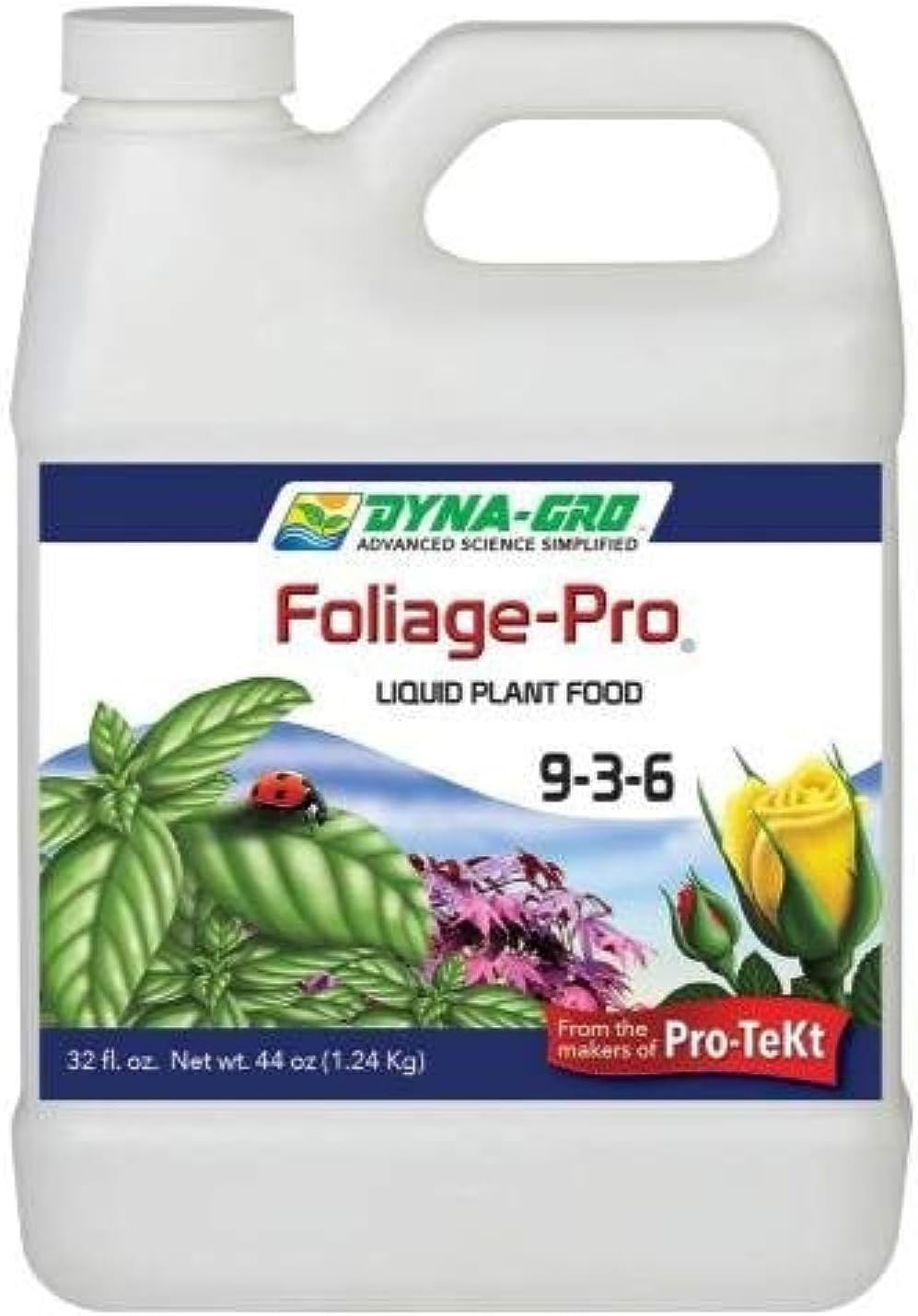
Organic Liquid Plant Food (FoxFarm)
A liquid organic plant food. Applied at label rate during active growth; most houseplants do better at reduced strength and not at all in winter.
View on Amazon ↗
PlantSavvyWorld
Editorial team
PlantSavvyWorld is an independent botanical education project. Articles are drafted with AI assistance, then edited and checked against university extension services, botanical garden collections and other published horticultural sources.
💬 Discussion