

Can I Grow Sweet Peas In A Pot — Complete Care, Planting & Growth Masterclass
Written with AI assistance, edited and checked against horticultural sources.
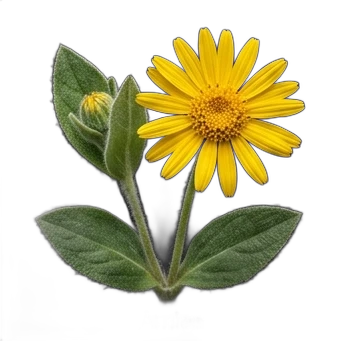
1. Botanical Overview & Natural Habitat

In their natural habitat, sweet peas are often found scrambling over shrubs and low vegetation in rocky or sandy soils. This tells us a few key things about their preferred conditions: they like good drainage, a sturdy support system to climb, and they are sensitive to extreme heat. When we bring them into pots, we are essentially creating a miniature ecosystem that needs to mimic these ideal, albeit slightly more controlled, conditions. Understanding their evolutionary needs helps us troubleshoot and optimize their growth, even in the less-than-wild environment of a container. The core of growing sweet peas successfully, whether in the ground or in a pot, hinges on providing the right balance of light, moisture, and soil nutrients, all while managing temperature fluctuations.
2. Essential Environmental & Care Requirements
Growing sweet peas in pots might seem daunting, especially given their reputation for being a bit finicky. However, with a solid understanding of their environmental needs, success is well within reach. The key is to be proactive and observant, providing what they need before they show signs of distress.
The original article mentions providing proper lighting, moisture, and soil biology. Let's expand on that.
Sunlight: The Sweet Pea's Delight
Sweet peas are sun-lovers, but with a crucial caveat: they prefer their roots to be cool. This means full sun (6+ hours) is ideal for flower production and overall vigor, especially in cooler climates. However, in regions with intense, scorching afternoon sun, especially during summer, providing partial afternoon shade is vital. Too much direct, harsh sun on the container itself can overheat the soil, stressing the roots. Aim for a location where they receive ample morning sun and are shielded from the harshest midday or afternoon rays.
Temperature: A Matter of Degrees
Temperature fluctuations can indeed induce shock in sweet peas. They are cool-season annuals, meaning they perform best when temperatures are between 55°F and 70°F (13°C to 21°C).
- Cool Spring/Fall: Ideal for active growth and flowering.
- Hot Summer: Growth can slow, and flowering may cease if temperatures consistently exceed 75°F (24°C). In such conditions, afternoon shade becomes non-negotiable.
- Frost: Young seedlings are quite hardy, but established plants can be damaged by hard frosts. For areas experiencing late spring frosts, consider covering your pots with horticultural fleece or moving them to a sheltered location.
Moisture Management: The Art of Deep Hydration
This is where many gardeners stumble. The original article correctly states "deep, infrequent irrigation to promote resilient root architecture." This is paramount for container-grown sweet peas. Pots dry out much faster than garden beds, but overwatering can be equally detrimental, leading to root rot.
- Frequency: Water thoroughly only when the top 1 to 2 inches (2.5 to 5 cm) of soil feels dry to the touch. This might mean watering every 2-3 days in hot, dry weather, or perhaps only once a week in cooler, damp conditions.
- Method: When you water, water deeply until you see water draining from the bottom of the pot. This encourages roots to grow downwards, seeking moisture and creating a more stable, resilient plant. Avoid frequent, shallow watering, which leads to shallow root systems prone to drying out quickly.
- Drainage: Ensure your pots have ample drainage holes. This cannot be stressed enough.
Soil Biology and Preparation: The Foundation for Success
Healthy plants truly start below the ground. For pots, this means using a high-quality potting mix that drains well but also retains sufficient moisture. Compacted, waterlogged soils are the enemy of sweet pea roots, inviting root rot and fungal pathogens.
A good potting mix should include:
- Peat moss or coco coir: For moisture retention.
- Perlite or vermiculite: For aeration and drainage.
- Compost or well-rotted manure: To provide essential organic matter and nutrients.
- Organic worm castings: An excellent source of slow-release nutrients and beneficial microbes.
The original article highlights the need for a balanced blend rich in organic matter and micro-nutrients. Aim for a soil pH between 6.0 and 6.8. This slightly acidic to neutral range is optimal for nutrient uptake in sweet peas. You can test your soil pH with a simple home testing kit.
Support System: Letting Them Climb
Sweet peas are natural climbers and need something to cling to. In pots, this is especially important as they don't have surrounding plants to scramble over. Provide a trellis, netting, bamboo stakes, or even a decorative obelisk. Ensure the support is sturdy and securely attached to the pot or placed deep within the soil before planting to avoid disturbing roots later. They can grow anywhere from 6 to 8 feet (1.8 to 2.4 meters) tall, so plan accordingly.
Here's a summary of key parameters:
| Parameter | Optimal Condition | Common Mistake | Why It Matters |
|---|---|---|---|
| Sunlight | 6+ hours Full Sun; Partial Afternoon Shade in heat | Too little sun (weak growth); Too much harsh afternoon sun | Flower production, stem length, and overall plant health; Root overheating |
| Temperature | 55-70°F (13-21°C) | Extreme heat or cold snaps | Promotes active growth and flowering; Prevents shock and cessation of blooming |
| Moisture | Deep, infrequent watering when top 1-2" is dry | Overwatering or underwatering | Encourages deep root growth; Prevents root rot or desiccation |
| Soil pH | 6.0 – 6.8 | Too acidic or too alkaline | Optimal nutrient availability and uptake by the plant |
| Soil Type | Well-draining, rich in organic matter, good aeration | Heavy, compacted, or poorly draining soil | Prevents root rot, allows for healthy root development and oxygenation |
| Container Drainage | Excellent, multiple drainage holes | Blocked or insufficient drainage holes | Prevents waterlogging, which is a primary cause of root rot and fungal diseases |
| Support | Sturdy trellis, netting, or stakes 6-8 ft tall | Insufficient or unstable support | Allows for healthy climbing, prevents stems from breaking, and displays blooms effectively |
3. Step-by-Step Cultivation, Feeding & Propagation
Let's get our hands dirty! Growing sweet peas in pots involves a few key stages, from starting seeds to ongoing care.
1. Seed Starting and Sowing
Sweet pea seeds are relatively large and can be sown directly into pots. However, for an earlier start and better control over germination, starting them indoors 4-6 weeks before the last expected frost is recommended.
- Soaking: Sweet pea seeds have a hard coat. Soaking them in warm water for 12-24 hours (change the water if it becomes cloudy) can significantly improve germination rates. Some growers even lightly nick the seed coat with a file, but be careful not to damage the embryo.
- Sowing Medium: Use a good quality seed-starting mix. Fill biodegradable pots (like peat or coir pots) or standard seed trays with the mix.
- Planting Depth: Sow seeds about 1 inch (2.5 cm) deep.
- Spacing: If sowing multiple seeds in a larger container, space them about 4-6 inches (10-15 cm) apart. In smaller pots, one or two seeds per pot is ideal.
- Watering: Water gently after sowing and keep the soil consistently moist but not waterlogged.
- Germination: Germination typically occurs within 7-21 days, depending on temperature. Ideal germination temperatures are around 60-70°F (15-21°C).
2. Transplanting to Pots
Once your seedlings have developed their first true leaves and are about 3-4 inches (7.5-10 cm) tall, it's time to transplant them into their permanent containers.
- Pot Size: This is crucial. Sweet peas need ample root space. For one or two plants, a pot at least 8-10 inches (20-25 cm) in diameter and depth is recommended. For a more robust display, use larger containers, such as half-whiskey barrels or substantial planters, and space plants 6-8 inches (15-20 cm) apart.
- Soil: Use a high-quality potting mix as described in the previous section. Ensure it’s well-draining.
- Transplanting: If using biodegradable pots, plant them directly into the larger container. If using plastic pots, carefully loosen the root ball if it’s tightly bound, and plant at the same depth as it was in the seed-starting tray. Avoid disturbing the roots as much as possible.
- Watering: Water thoroughly after transplanting.
3. Support Installation
Before your plants get too big, install their support system. This could be a trellis leaning against the pot, netting attached to stakes inserted into the soil, or a cage. Make sure it’s secure and tall enough for your chosen variety.
4. Watering and Feeding Schedule
- Watering: As mentioned, water deeply and infrequently. Check the soil moisture regularly. In hot weather, you may need to water daily, ensuring good drainage.
- Fertilizing: Sweet peas are moderate feeders.
- Root Establishment & Bud Formation: Once established (about 2-3 weeks after transplanting), begin feeding with a balanced organic fertilizer. The original article suggests a high-phosphorus blend during root establishment and bud formation to encourage robust roots and abundant blooms. Look for fertilizers with a higher middle number (e.g., 5-10-5). Apply according to package directions, usually every 2-4 weeks.
- Maturing Plants: As plants mature and start flowering, the original article recommends transitioning to a potassium-rich fertilizer like kelp meal. Potassium enhances cellular wall strength and improves drought tolerance. Again, follow package instructions.
- Avoid Over-Fertilizing: Too much nitrogen can lead to lush foliage but few flowers.
💡 Pro-Tip: Deadheading is essential! Regularly remove spent blooms by snipping them off just above a leaf node. This encourages the plant to produce more flowers instead of putting energy into seed production.
5. Pinching for Bushier Growth
For many varieties of sweet peas, "pinching" the growing tips can encourage bushier growth and more stems, leading to a more prolific display of flowers.
- When to Pinch: When your seedlings are about 4-6 inches (10-15 cm) tall and have several sets of leaves, use clean scissors or your fingernails to snip off the very top growing point, just above a pair of leaves.
- What to Expect: The plant will then branch out from the leaf nodes below the cut.
6. Continuous Care
- Grooming: Remove any yellowing or dead leaves promptly.
- Pest Watch: Keep an eye out for common pests like aphids. A strong spray of water or insecticidal soap can often manage small infestations.
- Support Training: Gently tie new tendrils to the support as they grow, if they aren't climbing on their own.
4. Common Problems, Pests & Troubleshooting
Even with the best care, you might encounter some issues. Understanding common problems and their solutions is key to keeping your potted sweet peas thriving.
Powdery Mildew
This is a common fungal disease that appears as a white, powdery coating on leaves, stems, and flowers. It's often caused by poor air circulation, high humidity, and inadequate sunlight.
- Prevention: Ensure good air circulation around your plants by spacing them appropriately and pruning as needed. Water at the base of the plant, avoiding overhead watering, especially in the evening.
- Treatment: Remove affected leaves immediately and dispose of them in the trash (not compost). For persistent cases, a fungicide specifically for powdery mildew can be used. Organic options include neem oil or a baking soda solution (1 tablespoon baking soda and 1 teaspoon horticultural oil or liquid soap in 1 gallon of water).
Aphids
These small, sap-sucking insects can appear in clusters, often on new growth. They can weaken the plant and transmit diseases.
- Prevention: Encourage beneficial insects like ladybugs by planting companion plants.
- Treatment: Blast them off with a strong stream of water. If the infestation is severe, use insecticidal soap or neem oil. You can also manually crush them with your fingers.
Root Rot
As emphasized, this is a major concern for container plants, especially with overwatering. Symptoms include wilting, yellowing leaves, and stunted growth, even when the soil appears moist.
- Prevention: Use well-draining soil and pots with plenty of drainage holes. Water only when the top 1-2 inches of soil are dry.
- Treatment: If caught early, you may be able to save the plant by allowing the soil to dry out completely and repotting into fresh, well-draining soil if the rot is severe. However, severe root rot is often fatal.
⚠️ Important Caution: Do not plant sweet peas in containers without adequate drainage holes. This single oversight is the most common cause of root rot and subsequent plant failure. Always ensure excess water has a way to escape.
Bud Drop or Lack of Blooming
This can be due to several factors:
- Temperature Stress: Too hot or too cold conditions can cause buds to drop before opening.
- Nutrient Imbalance: Too much nitrogen can promote leafy growth at the expense of flowers.
- Insufficient Light: Not enough sun means not enough energy for blooming.
- Underwatering: Plants under stress from lack of water may abort flowers.

5. Frequently Asked Questions
Let's address some of the most common queries people have when considering growing sweet peas in pots.
Can I grow sweet peas in small pots like window boxes?
While you can get a few blooms from very small containers, it’s generally not recommended for a robust display. Sweet peas develop an extensive root system, and small pots will restrict their growth, leading to stunted plants and fewer flowers. For best results, choose pots that are at least 8-10 inches (20-25 cm) deep and wide. Larger containers will provide more consistent moisture and temperature stability, which sweet peas appreciate.
How often should I water sweet peas in pots?
The frequency of watering depends heavily on your climate, the size of the pot, and the stage of growth. The golden rule is to water deeply only when the top 1 to 2 inches (2.5 to 5 cm) of soil feel dry to the touch. This might be daily in very hot, dry weather or as little as once a week during cooler periods. Always ensure water drains freely from the bottom of the pot. Overwatering is a far more common problem than underwatering for container plants.
Will sweet peas survive a frost if they are in pots?
Young sweet pea seedlings are surprisingly frost-tolerant and can often withstand light frosts (down to about 28°F / -2°C). However, prolonged or hard frosts can damage or kill them. If a hard frost is predicted, it's best to protect your potted sweet peas. You can move smaller pots to a sheltered location like a porch or garage, or cover larger pots and plants with horticultural fleece, burlap, or old blankets. Ensure the covering doesn't directly touch the foliage if possible to prevent frost damage.
What's the best way to feed sweet peas growing in containers?
Sweet peas benefit from regular feeding, but it's crucial not to overdo it, especially with nitrogen. Start with a good quality potting mix that contains slow-release nutrients. Once the plants are established (about 2-3 weeks after transplanting), begin feeding every 2-4 weeks with a balanced liquid organic fertilizer. Look for one with a higher phosphorus content during the flowering season to encourage more blooms. As the plants mature, a fertilizer with higher potassium (like kelp-based liquid feeds) can help strengthen them against stress and disease. Always water your plants before applying liquid fertilizer to prevent root burn.
How do I encourage my sweet peas to climb?
Sweet peas have natural tendrils that will seek out support. Ensure you provide a trellis, netting, bamboo canes, or a similar structure at the time of planting or soon after. As the plants grow, you can gently guide the tendrils towards the support if they seem hesitant. Avoid tying them too tightly, as they need room to grow. Most modern climbing varieties will reach heights of 6-8 feet (1.8-2.4 meters), so your support structure should be adequately tall.
Why are my sweet pea leaves turning yellow?
Yellowing leaves on potted sweet peas can be caused by several issues.
- Overwatering: This is the most common culprit, leading to root rot. Ensure the soil has adequate drainage and water only when the topsoil is dry.
- Underwatering: If the soil is consistently dry and the plant is wilting, it can also lead to yellowing leaves.
- Nutrient Deficiency: A lack of essential nutrients, particularly nitrogen or magnesium, can cause yellowing. If you haven't fertilized in a while, try a balanced organic fertilizer.
- Natural Aging: Older, lower leaves may naturally yellow and die off as the plant matures; this is usually not a cause for concern unless widespread.
Can I grow sweet peas in pots on a balcony?
Absolutely! Balconies are fantastic places for potted sweet peas, especially if they receive adequate sunlight. The vertical nature of climbing sweet peas means you can maximize your limited space by growing them upwards. Just ensure your balcony can support the weight of the pots and any trellising, and be mindful of wind exposure, which can damage taller plants.
Growing sweet peas in pots is a rewarding endeavor that brings intoxicating fragrance and stunning beauty to even the smallest spaces. By understanding their needs for sunlight, careful watering, well-draining soil, and sturdy support, you can cultivate a truly magnificent display. Happy growing!
For more expert horticultural advice, I highly recommend these resources:
Tags:
🌿 Related Plants You Might Like






PlantSavvyWorld
Editorial team
PlantSavvyWorld is an independent botanical education project. Articles are drafted with AI assistance, then edited and checked against university extension services, botanical garden collections and other published horticultural sources.