Coleus Plant
Plectranthus scutellarioides
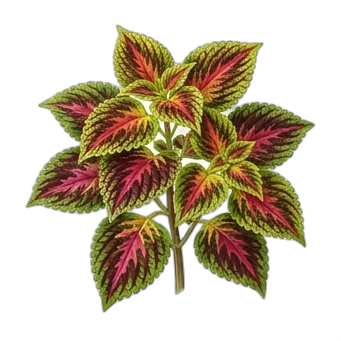
1. Botanical Overview & Natural Habitat

Botanically, coleus are tender perennials, though they are almost universally grown as warm-season annuals in temperate climates. Their defining characteristic is square stems—a hallmark of the Lamiaceae family—and opposite, heavily textured, serrated leaves. While they do produce spikes of small, tubular blue or white flowers, professional designers almost always pinch these buds off. Flowering diverts metabolic energy away from foliar production and can trigger a bitter, leggy growth habit.
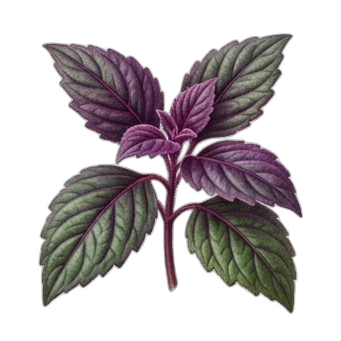
Modern breeding has exploded the morphological diversity of the coleus plant, transitioning it from grandmother's Victorian shade garden staple to a modern horticultural masterpiece. Cultivars now range from tiny, 6-inch (15 cm) spilling miniatures to massive 3-foot (90 cm) architectural shrubs. Leaf shapes are equally diverse, encompassing deeply lobed Japanese maple-like silhouettes, ruffled edges, puckered textures, and narrow lanceolate forms. The color palette spans virtually the entire visual spectrum—deep maroons, neon limes, shocking magentas, chartreuse, coppers, and near-blacks.
To maximize your landscape success, understanding how these plants fit into broader soil and container dynamics is essential. Just as understanding root run is vital when calculating pot volumes for heavy feeders—similar to the principles outlined in our guide on How Deep Do Pepper Plant Roots Go? Pot Size & Substrate Depth Guide—coleus require a root zone that balances moisture retention with immaculate drainage to prevent stem rot.
2. Essential Environmental & Care Requirements
Creating a thriving environment for a coleus plant requires balancing its tropical heritage with your local climate conditions. Because their leaf pigments—anthocyanins and carotenoids—respond dynamically to light exposure, matching light levels to the specific cultivar is critical.
| Parameter | Optimal Condition | Common Mistake | Why It Matters |
|---|---|---|---|
| Light | Dappled shade to morning sun (2–4 hours); brighter sun for neon/dark cultivars | Full afternoon scorching | Intense UV rays bleach delicate pigments and burn leaf margins, while deep shade causes leggy, green fading. |
| Temperature | 70°F to 85°F (21°C to 29°C); minimum night temp 55°F (13°C) | Exposing to frost or temps below 50°F (10°C) | Chilling injury collapses cellular walls, leading to rapid water-soaked stem rot and plant collapse. |
| Soil Moisture | Consistently moist, evenly damp organic substrate | Allowing cycles of extreme drought and waterlogging | Fluctuating moisture causes lower leaves to yellow, drop, and invites root pathogens like Pythium. |
| Soil pH | Slightly acidic to neutral (6.0 to 7.0) | Highly alkaline or compacted clay soils | Nutrient lock-out occurs outside this range, starving the plant of essential iron and micronutrients. |
Watering coleus is an intuitive art. When grown in containers, they will dramatically droop when thirsty, serving as living moisture meters. Fortunately, they rebound with astonishing speed—often within 30 minutes of a thorough soaking. However, relying on this dramatic wilt repeatedly stresses the plant, resulting in premature lower leaf drop.
For authoritative regional care insights and university-backed horticultural trials, I frequently direct growers to consult the Clemson Cooperative Extension Home & Garden Information Center, which provides exceptional guides on managing tender annuals in southern landscapes.
💡 Pro-Tip: If you are growing high-contrast dark purple or near-black coleus varieties like 'Black Magic', give them a bit more direct morning sun than their chartreuse counterparts. The darker pigments act as natural sunglasses, protecting the cellular structure from light degradation while intensifying the rich, velvety hue.
3. Step-by-Step Cultivation, Feeding & Propagation
Growing a magnificent coleus plant from scratch is one of the most rewarding tasks in horticulture. Whether you are starting from seed or taking cuttings, following a precise protocol ensures vigorous root development and bushy, well-branched architecture.
- Select and Prepare the Substrate: Mix a high-quality, peat-based potting soil with 20% perlite or coarse horticultural sand to ensure maximum aeration. The target container or garden bed must feature unobstructed drainage holes.
- Sow Seeds or Plant Cuttings: If starting from seed, press them lightly into the surface of the soil at a depth of 0.1 inches (2.5 mm)—do not cover them, as coleus seeds require light to germinate. Maintain soil temperatures between 70°F and 75°F (21°C to 24°C) with high humidity using a plastic dome until germination occurs in 7 to 14 days.
- Pinch for Branching: When young seedlings or rooted cuttings reach 4 inches (10 cm) in height, use clean pruning shears to pinch out the terminal growing tip directly above the topmost node. This breaks apical dominance and forces robust lateral branching.
- Establish a Feeding Regimen: Feed actively growing coleus plants every 14 days during the spring and summer growing season with a balanced, water-soluble fertilizer diluted to half-strength (e.g., 10-10-10 formulation). Avoid high-nitrogen fertilizers, which cause excessive, weak green growth at the expense of vibrant coloration.
- Execute Propagation: Take 4-inch to 6-inch (10 cm to 15 cm) stem cuttings just below a leaf node using a sterilized razor blade. Strip the lower leaves off the bottom half of the cutting and submerge the stem in a glass of clean water or moist perlite. Root initials will emerge along the submerged stem nodes within 10 to 14 days, ready for transplanting into individual pots once roots reach 1 inch (2.5 cm) in length.
⚠️ Important Caution: Never let your coleus plants sit in standing saucers of water. Because they inhabit saturated forest floors in nature, gardeners often assume they are aquatic plants. However, stagnant water cuts off oxygen to the root zone, inviting anaerobic bacteria that cause sudden stem rot and plant death within 48 hours.
4. Common Problems, Pests & Troubleshooting
Even the most attentive botanists occasionally encounter issues when cultivating coleus. Because their foliage is soft, succulent, and nutrient-dense, they can attract specific pests and environmental disorders.
Pests:
- Mealybugs: These sap-sucking insects appear as small, cottony white masses in the leaf axils and beneath foliage. Eradicate them by dabbing individual insects with a cotton swab dipped in 70% isopropyl alcohol, followed by a thorough spray of horticultural insecticidal soap.
- Whiteflies and Aphids: Thriving in warm, dry indoor air or crowded greenhouse conditions, these pests cluster on the undersides of new leaves. Introduce beneficial insects like ladybugs if outdoors, or treat with neem oil applied during the coolest part of the day to prevent leaf burn.
Environmental Disorders:
- Leggy Growth: Caused by insufficient light levels or inadequate pinching. Prune the stems back by one-third to a lower node and move the plant to a brighter location to encourage dense, compact re-sprouting.
- Crispy Brown Leaf Margins: Triggered by dry indoor air, insufficient watering, or excessive direct sunlight. Increase ambient humidity around container plants using a pebble tray and adjust your watering frequency to maintain an evenly damp root zone.
- Stem Rot at the Soil Line: Caused by overwatering combined with cool temperatures and heavy, poorly drained soil. If the base of the stem turns black and mushy, the plant cannot be saved, but you can often salvage healthy upper stem tips to propagate new plants.

5. Frequently Asked Questions
Can I keep a coleus plant indoors year-round as a houseplant?
Yes, coleus adapt remarkably well to indoor cultivation provided they receive bright, indirect light from a south- or east-facing window for at least 6 hours daily. Because indoor air tends to be dry during winter heating seasons, you may need to supplement humidity using a room humidifier or pebble tray. Pinch the growing tips frequently throughout the winter months to prevent the plant from becoming spindly and stretched out.
Why are the vibrant colors fading on my coleus leaves?
Fading color is almost always an indicator of improper light exposure. If a brightly colored cultivar is placed in deep shade, it will produce more chlorophyll, causing the vibrant pinks, reds, and yellows to wash out into dull greens. Conversely, if exposed to harsh afternoon sunlight, the leaf pigments can bleach out entirely. Move the plant to a location that receives bright morning sun and gentle afternoon shade to restore its chromatic brilliance.
How do I stop my coleus plant from flowering?
Flowering is triggered as day lengths shorten and the plant matures. To prevent this, inspect your coleus weekly and pinch off any developing flower spikes at the base before the buds open. Removing flowers not only maintains the visual density of the foliage but also extends the functional lifespan of the plant by preventing it from expending energy on seed production.
Are coleus plants toxic to cats and dogs?
According to the ASPCA, traditional Plectranthus scutellarioides varieties are considered non-toxic to cats, dogs, and horses. However, ingesting large quantities of raw plant material can occasionally cause mild gastrointestinal upset, vomiting, or diarrhea due to essential oils present in the foliage. It is always best practice to keep prized landscape specimens out of reach of curious pets who might sample the soft, succulent leaves.
📋 Table of Contents ▼ Click to expand
Tags: