Inch Plant
Tradescantia zebrina
1. Botanical Overview & Natural Habitat

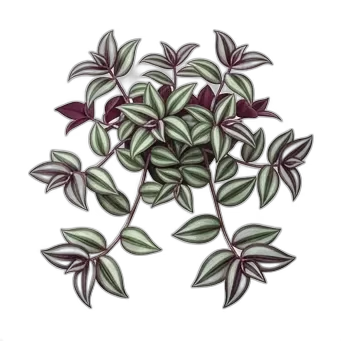
Morphologically, Tradescantia zebrina is characterized by succulent, jointed stems that root easily at the nodes whenever they touch moist soil. The leaves are ovate-lanceolate, typically measuring 2 to 4 inches (5 to 10 cm) in length, featuring striking longitudinal stripes of iridescent silver-green on the adaxial (upper) surface and a rich, solid purple-magenta on the abaxial (lower) side. The leaves are wrapped at the base by a membranous sheath. Flowers are small, three-petaled, and delicate—usually pink, purple, or white—emerging sequentially from terminal bracts, though they rarely appear on indoor specimens grown strictly for foliage.
Taxonomically, the genus Tradescantia was named in honor of John Tradescant (both the elder and the younger), royal gardeners to King Charles I who introduced many American plants to English gardens. In natural landscapes, the plant functions as a rapid groundcover, growing up to 12 inches (30 cm) tall but spreading laterally across multiple feet. This sprawling nature makes it an exceptional candidate for hanging baskets, though its aggressive vegetative reproduction has earned it invasive status in certain subtropical and tropical climates outside its native range. For formal botanical classification details, you can consult the Missouri Botanical Garden Plant Finder.
2. Essential Environmental & Care Requirements
Translating a rainforest understory native into a thriving indoor or patio plant requires replicating its native microclimate. While the Inch Plant is famously forgiving, it displays acute physiological stress when subjected to extreme environmental imbalances.
Light intensity is the primary driver of leaf coloration. To maintain those vibrant metallic silver stripes and deep purple undersides, Tradescantia zebrina demands bright, indirect light for 6 to 8 hours daily. Placing the plant in deep shade results in etiolation—stems stretch out, internodes lengthen unappealingly, and the leaves revert to a dull, washed-out green. Conversely, harsh, direct midday sun will scorch the delicate leaf tissues, leaving crisp, brown necrotic patches.
Temperature tolerances are relatively narrow compared to hardier landscape perennials. The ideal temperature range sits between 65°F and 80°F (18°C to 27°C). While the plant can survive brief dips down to 50°F (10°C), continuous exposure to temperatures below 45°F (7°C) will cause cellular collapse, turning the stems mushy and translucent.
💡 Pro-Tip: If you notice your Inch Plant losing its vibrant purple underside and turning entirely green, do not panic—it is simply crying out for higher light intensity. Move it two feet closer to an east- or west-facing window, and new growth will immediately resume its high-contrast coloration.
| Parameter | Optimal Condition | Common Mistake | Why It Matters |
|---|---|---|---|
| Light | Bright, indirect light (6–8 hours daily) | Direct afternoon sun or deep indoor shade | Direct sun scorches leaves; low light causes green reversion and leggy stems. |
| Watering | Allow top 1–2 inches (2.5–5 cm) to dry | Keeping soil constantly soggy or bone dry | Overwatering causes stem rot at the soil line; drought causes crispy leaf tips. |
| Soil pH | Slightly acidic to neutral (6.0 to 7.0) | Heavy, dense clay garden soil | Compacted soil suffocates roots and restricts water infiltration. |
| Humidity | 40% to 60Relative Humidity | Dry indoor air during winter heating | Extremely dry air triggers brown, crispy leaf margins and attracts spider mites. |
Watering discipline is where most growers err. The succulent nature of the stems means the plant stores moderate amounts of moisture, making it moderately drought-tolerant. However, it detests sitting in stagnant water. Water thoroughly until liquid runs freely from the drainage holes, then wait until the top 1 to 2 inches (2.5 to 5 cm) of the substrate are completely dry before watering again.
3. Step-by-Step Cultivation, Feeding & Propagation
Cultivating a lush, dense specimen of Tradescantia zebrina requires regular pruning and strategic propagation. Because older stems naturally shed their lower leaves over time, leaving bare, woody vines at the top of the pot, you must continuously renew the plant.
The Complete Propagation and Rejuvenation Sequence
- Select Healthy Stock: Identify actively growing, disease-free stem tips on your existing plant that are at least 4 to 6 inches (10 to 15 cm) long, ensuring each cutting includes at least three distinct leaf nodes.
- Execute Clean Cuts: Using a pair of sterilized gardening shears or razor blades, cut the stem at a 45-degree angle approximately 0.25 inches (0.6 cm) below the lowest set of leaves.
- Strip Lower Foliage: Carefully pluck away the bottom leaves from the lower 2 inches (5 cm) of the stem to expose the nodes, as roots emerge directly from these growth points.
- Choose Your Rooting Medium: Prepare a propagation vessel filled with either clean, filtered water or a light, pre-moistened propagation mix consisting of equal parts perlite and peat-free coco coir.
- Submerge or Insert: If water propagating, submerge the naked nodes while keeping the remaining leaves above the waterline. If soil propagating, insert the stem 2 inches (5 cm) deep into the substrate, firming the medium gently around the base.
- Provide Optimal Environment: Place the cuttings in a warm location—ideally 70°F to 75°F (21°C to 24°C)—with bright, indirect light.
- Monitor Root Development: In water, robust white roots measuring 1 to 2 inches (2.5 to 5 cm) will emerge within 10 to 14 days. In soil, gentle resistance when tugging indicates successful rooting after 14 to 21 days.
- Replant and Pinch: Transfer rooted water cuttings into a standard potting mix. Once established, pinch back the growing tips of all stems to encourage branching, creating a fuller, bushier container display.
Fertilization should be executed sparingly during the active growing season (spring through summer). Apply a balanced, water-soluble houseplant fertilizer diluted to half-strength once every 4 weeks. Cease all feeding entirely from late autumn through winter when the plant enters a period of semi-dormancy.
4. Common Problems, Pests & Troubleshooting
Even with meticulous care, environmental shifts can invite physiological disorders and opportunistic pests. Diagnosing symptoms early ensures quick corrective action.
Root rot is the single most destructive issue facing Tradescantia zebrina. It is caused by overwatering combined with heavy, poorly draining soil or a pot lacking adequate drainage holes. Affected plants exhibit yellowing leaves, soft, black, translucent stems at the soil line, and sudden wilting despite wet soil. To salvage the plant, unpot it immediately, rinse away the decaying soil, use sterilized shears to prune away all mushy, brown roots, and propagate healthy stem tips as outlined in Section 3. For further diagnostic resources regarding plant diseases and cultural problems, reference the University of Florida IFAS Extension.
Pests are relatively uncommon due to the crisp, slightly waxy cuticle of the leaves, but indoor specimens can occasionally fall victim to spider mites, aphids, or mealybugs.
- Spider Mites: Thrives in hot, dry winter air. Symptoms include fine stippling on the upper leaf surface and delicate webbing between stems. Treat by wiping leaves down with a damp microfiber cloth and spraying thoroughly with insecticidal soap or horticultural oil.
- Mealybugs: Appear as small, white, cottony masses tucked into the leaf axils and stem joints. Dab individual insects with a cotton swab dipped in 70% isopropyl alcohol, followed by a systemic or contact organic pesticide spray.
Leggy growth is another frequent complaint. If your plant is stretching upward with large gaps between leaves, it is suffering from a combination of insufficient light and a lack of pruning. Remedy this by moving the plant to a brighter location and executing a hard prune, cutting back all leggy stems by half to stimulate dense, lateral branching.
⚠️ Important Caution: Tradescantia zebrina sap contains calcium oxalate crystals, which can cause skin irritation, contact dermatitis, or localized allergic reactions in sensitive individuals and pets. Keep trailing stems out of reach of curious cats and dogs, as ingestion can lead to excessive drooling, mouth irritation, and vomiting.

5. Frequently Asked Questions
Why are the leaves on my Inch Plant turning brown and crispy at the tips?
Crispy leaf tips are almost always caused by low relative humidity or irregular watering habits. If the air in your home drops below 40% humidity—common during winter heating seasons—the delicate leaf margins dehydrate rapidly. Alternatively, allowing the soil to dry out completely for extended periods forces the plant to sacrifice its oldest and furthest tissues to conserve internal moisture. Increase ambient humidity using a pebble tray or room humidifier, and establish a consistent watering routine.
Can I grow Tradescantia zebrina outdoors as a perennial?
Yes, but only if you live within USDA Hardiness Zones 9 through 11. In these frost-free climates, the Inch Plant thrives as a vigorous groundcover in shady garden beds or cascading over retaining walls. In cooler temperate zones, it must be treated strictly as an annual groundcover, an outdoor container plant during summer, or an indoor houseplant, as it will instantly perish upon exposure to freezing temperatures.
How often should I repot my Inch Plant?
Because Tradescantia zebrina is a fast grower with a relatively shallow root system, it generally requires repotting every 12 to 18 months. You will know it is time when roots begin circling the bottom of the container or emerging densely from the drainage holes. Choose a pot that is only 1 to 2 inches (2.5 to 5 cm) wider in diameter than the previous one; planting a small root ball in an overly massive container drastically increases the risk of water retention and subsequent root rot.
Why is my Inch Plant turning completely green?
A loss of variegation—where the signature silver stripes fade and the purple undersides turn green—is a direct indicator of insufficient light exposure. The plant synthesizes its purple anthocyanin pigments and silver reflective layers as a protective response to bright light. When light levels drop, the plant prioritizes pure chlorophyll production to maximize energy capture, resulting in plain green leaves. Relocate the plant to a brighter spot receiving several hours of indirect sunlight daily to restore its vibrant coloration.
📋 Table of Contents ▼ Click to expand
Tags: