Bonsai Tree
Ficus retusa
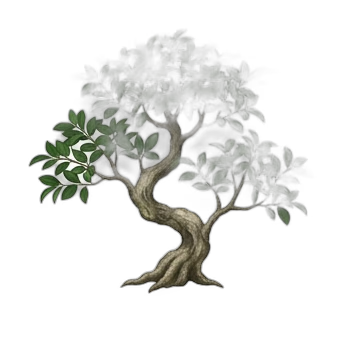
A neglected Ficus retusa specimen features thick, undulating roots gripping a shallow ceramic tray like skeletal fingers and a canopy sparse and pale from months of indoor neglect. Lifting a heavy porcelain pot reveals cool moisture radiating from the drainage holes, and an accidental prune on a lower branch may exude a single, amber drop of latex. This resilience and living architecture demonstrates the Laurel Fig's nature. Mastering this species allows the cultivation of a thriving, miniature masterpiece.
1. Botanical Overview & Natural Habitat

In its natural habitat, F. Retusa is a gargantuan canopy tree capable of reaching heights exceeding 50 feet (15 meters) with an even wider spread. It produces extensive aerial roots that drop from its spreading branches, eventually thickening into woody pillars that support heavy limbs. As a bonsai subject, it has earned a legendary reputation for beginners and masters alike because of its incredible tolerance for aggressive root pruning, its rapid trunk thickening, and its willingness to back-bud even from old, naked wood.
Botanically, the species is distinguished by its smooth, light-grey to reddish-grey bark, glossy, alternate, obovate-elliptic leaves measuring 2 to 4 inches (5 to 10 cm) in length, and its characteristic blunt, obtuse leaf tips (hence the specific epithet retusa). When damaged, any part of the plant exudes a milky-white latex sap containing rubber compounds, which serves as a natural defense mechanism against herbivorous insects and seals wounds against fungal pathogens.
2. Essential Environmental & Care Requirements
Recreating the tropical understory and forest canopy edge in an indoor or patio setting requires strict adherence to environmental parameters. Because Ficus retusa is a tropical species, it cannot withstand freezing temperatures.
- Temperature: Maintain ambient temperatures between 65°F and 85°F (18°C to 29°C) year-round. While it can tolerate brief dips down to 50°F (10°C), sustained temperatures below 45°F (7°C) will induce severe leaf drop and potential vascular collapse.
- Light: Provide a minimum of 6 to 8 hours of bright, indirect sunlight daily. South-facing or west-facing windowsills are ideal. If natural light falls short, supplement with a full-spectrum LED grow light positioned 12 to 18 inches (30 to 45 cm) above the canopy for 12 hours a day.
- Humidity: Aim for a relative humidity level of 50% to 70%. Indoor environments during winter heating cycles often drop below 30%, which causes leaf tip dieback and invites spider mites. Grouping plants or using a pebble tray filled with water beneath the pot helps elevate local moisture.
💡 Pro-Tip: When moving your Ficus retusa outdoors for the summer growing season, transition it gradually over 14 days. Exposing a plant grown indoors directly to harsh midday sun will scorch the glossy cuticle of the leaves, turning them an unsightly bronze-brown within 48 hours.
Watering is the single most critical maintenance task for containerized figs. The goal is to keep the root ball evenly moist without creating a soggy, anaerobic environment that breeds root rot (Pythium and Phytophthora species). Use the finger test: push your index finger 1 inch (2.5 cm) into the soil mix. If it feels dry and cool at that depth, water thoroughly until it runs freely from the drainage holes.
| Parameter | Optimal Condition | Common Mistake | Why It Matters |
|---|---|---|---|
| Temperature | 65°F – 85°F (18°C – 29°C) | Placing near drafty AC vents or cold windows | Sudden thermal shock triggers massive defoliation and root dormancy. |
| Light Exposure | 6+ hours bright indirect/direct sun | Tucking deep into a dim interior room | Insufficient light slows photosynthesis, resulting in weak, elongated internodes. |
| Soil Moisture | Allow top 1 inch (2.5 cm) to dry between waterings | Keeping soil permanently saturated | Waterlogged media starves roots of oxygen, causing rapid root rot and leaf yellowing. |
| Humidity | 50% – 70% relative humidity | Ignoring dry indoor winter heating | Low humidity dries out leaf margins and encourages opportunistic spider mite infestations. |
For deeper botanical insights on caring for tropical woody species, consult the Royal Horticultural Society cultivation guidelines.
3. Step-by-Step Cultivation, Feeding & Propagation
Cultivating a Ficus retusa bonsai requires an ongoing balance between structural styling and horticultural maintenance. Because these trees grow vigorously during warm months, you will need a disciplined schedule for repotting, pruning, and fertilizing.
Soil and Repotting
A proper bonsai soil mix must drain rapidly while retaining adequate moisture and nutrients. Avoid standard potting soil, which packs down too tightly and suffocates fine feeder roots. A classic professional blend consists of:
- 50% Akadama (calcined Japanese clay for water and nutrient retention)
- 25% Pumice (for structural porosity and oxygenation)
- 25% Lava rock (for heavy drainage and anchoring)
Repotting should take place every 2 to 3 years in the early spring just as new buds begin to swell.
Step-by-Step Repotting Sequence
- Unpotting: Carefully lift the tree from its container using a root hook to loosen the soil along the inner perimeter of the ceramic pot.
- Root Pruning: Comb out the root mass to untangle circling roots. Using sterilized concave cutters, prune away up to one-third (33%) of the total root mass, focusing on thick, downward-growing anchor roots while preserving the dense mat of fine, fibrous feeder roots.
- Preparation: Clean the ceramic bonsai pot thoroughly. Secure plastic mesh screens over the drainage holes using aluminum wire to prevent soil loss.
- Base Layer: Add a foundational layer of coarser soil mix (1/4 inch particle size) to the bottom of the pot to establish immediate drainage.
- Securing the Tree: Thread anodized aluminum wire (typically 2mm to 3mm thick) through the drainage mesh holes. Wrap the wire tightly over the heavy root base to lock the tree firmly into position, preventing any wobble that would tear delicate new root tips.
- Filling and Tamping: Work your fresh soil mix meticulously between all remaining roots using a chopstick to eliminate air pockets. Water thoroughly with a fine-rosed watering can until the runoff runs completely clear.
Feeding
Because bonsai pots contain a minuscule volume of soil, nutrients are rapidly depleted. During the active growing season (spring through early autumn), feed every 14 days with a balanced liquid organic fertilizer diluted to half-strength (e.g., a 10-10-10 or 7-9-5 NPK ratio). Reduce feeding to once every 6 weeks during the short, low-light days of winter.
⚠️ Important Caution: Never fertilize a Ficus retusa that is currently suffering from drought stress, root rot, or severe pest damage. Applying concentrated salts to a compromised root system will cause chemical root burn and accelerate the decline of the plant.
Propagation
Propagating new material from your Ficus retusa is remarkably straightforward. Take semi-hardwood cuttings in late spring measuring 4 to 6 inches (10 to 15 cm) long. Dip the freshly cut basal end (below a leaf node) into rooting hormone powder, and insert it into a sterile propagation medium consisting of 50% perlite and 50% peat moss. Maintain a high-humidity environment by placing a clear plastic dome over the tray, keeping temperatures at 75°F (24°C). Roots typically form within 30 to 45 days.
For additional academic perspectives on urban forestry and containerized plant physiology, explore the resources provided by the University of Florida IFAS Extension.
<a id="common-problems,>## 4. Common Problems, Pests & Troubleshooting
Even with meticulous care, indoor and patio bonsai trees encounter environmental stress and opportunistic pests. Diagnosing issues early prevents minor cosmetic damage from becoming fatal.
Leaf Drop
Sudden, massive leaf drop is the single most common panic-inducing event for Ficus owners. If green or slightly yellow leaves fall off en masse, check for these three culprits:
- Drafts or Temperature Drops: Moving the plant from a warm spot to a cold doorway.
- Light Reduction: Moving the tree further away from a window during autumn.
- Irregular Watering: Allowing the root ball to dry out completely, followed by heavy soaking, which damages the delicate transport vessels.
Pests
- Spider Mites (Tetranychus urticae): These microscopic arachnids thrive in warm, dry indoor air. Look for fine, silky webbing on the undersides of leaves and stippled, yellowed foliage. Treat by washing the foliage under a strong stream of lukewarm water, followed by an application of horticultural insecticidal soap or neem oil, repeating every 7 days for three cycles.
- Scale Insects (Coccoidea): These appear as immobile, brown or white bumps along the stems and leaf veins, secreting sticky honeydew. Scrape them off gently with a soft toothbrush dipped in a 50% isopropyl alcohol solution, then treat the entire canopy with systemic insecticide if infestations persist.
Fungal Leaf Spots

5. Frequently Asked Questions
Why is my Ficus retusa dropping green leaves?
Green leaf drop is almost always triggered by an abrupt environmental change. The most frequent causes are a sudden drop in ambient temperature, a draft from an air conditioner or heating vent, or a significant decrease in light intensity. Ensure your tree sits in a stable location receiving at least 6 hours of bright light daily, and protect it from cold drafts.
How often should I prune my Ficus bonsai?
Perform maintenance pruning throughout the active growing season (spring to autumn) by pinching back new shoot extensions once they have produced 6 to 8 leaves, leaving back 2 leaves to maintain taper and density. Structural pruning—removing thick branches or shaping the primary framework—is best executed in early spring right before the major growth flush begins.
Can I grow a Ficus retusa bonsai indoors all year round?
Yes, Ficus retusa adapts remarkably well to indoor cultivation compared to temperate bonsai species like maples or larches, which require a natural winter dormancy period. However, to keep it thriving indoors year-round, you must compensate for lower winter light levels by utilizing a high-output LED grow light and managing indoor humidity carefully.
What causes sticky leaves on my Ficus bonsai?
Sticky leaves are a definitive sign of sap-sucking insects, most commonly aphids, scale, or mealybugs. These pests ingest plant sap and excrete a sugary, viscous waste product called honeydew. Inspect the stems and the undersides of the leaves closely for these pests, and treat the plant immediately with insecticidal soap or horticultural oil.
📋 Table of Contents ▼ Click to expand
Tags: