


Why the Viral Ice Cube Watering Trick is Destroying Your Tropical Houseplants
Written with AI assistance, edited and checked against horticultural sources.
A giant, heartbreaking Dieffenbachia (Dumb Cane) sitting mournfully in its pot with literal ice cubes melting over its topsoil suffers from a flawed watering method. While viral social media videos claim ice cubes are the ultimate, foolproof way to water indoor plants without risk of overwatering, that practice causes hidden cellular devastation beneath the surface layer of peat.
As plant lovers, we are constantly bombarded with quick-fix hacks across TikTok, Instagram, and Pinterest. But when dealing with living plant biology, shortcuts often lead directly to root necrosis, compromised vascular tissues, and premature plant loss. Today, we will dive deep into the physiological science of why dropping ice cubes onto your tropical foliage is a recipe for root collapse, and how you can adopt proper care routines grounded in actual botanical science.
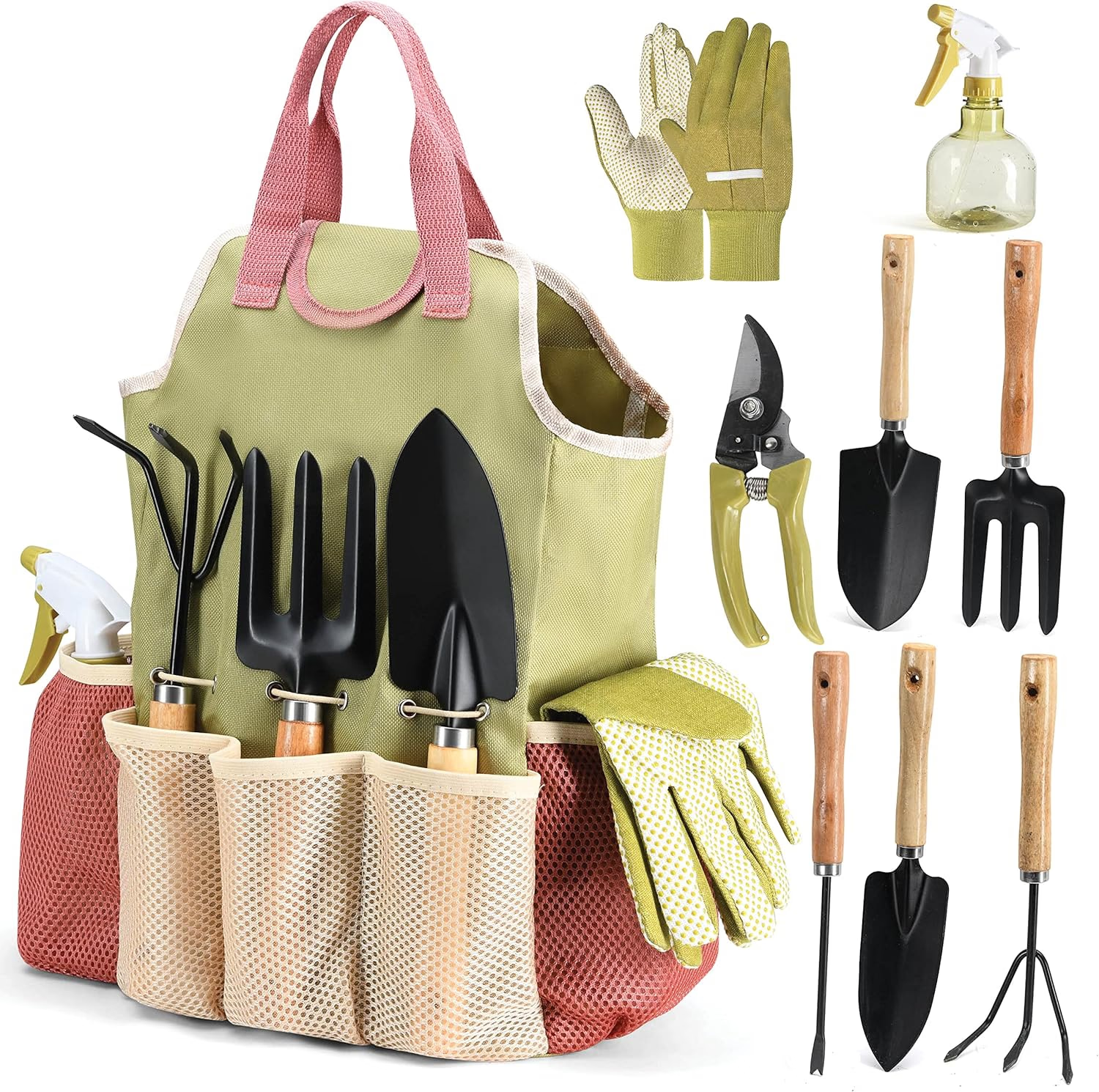
PLAY22 Gardening Tools Set of 10
A 10-piece hand tool set with a carry bag — trowel, transplanter, pruners and weeder. Suited to repotting and general container work.
View on Amazon ↗1. Botanical Overview & Natural Habitat
To understand why the ice cube watering trick fails so dramatically, we must examine the evolutionary history of popular indoor foliage. Most common tropical houseplants—including Dieffenbachia, Monstera deliciosa, Philodendron, Epipremnum aureum (Pothos), and Calathea—originate in the equatorial rainforest understories of Central America, South America, and Southeast Asia.
In these indigenous microclimates, ambient air temperatures rarely drop below 65°F (18°C), and soil temperatures stay consistently between 70°F and 85°F (21°C to 29°C). Hydration arrives in the form of warm, heavy tropical rain showers. Raindrops filtering through the jungle canopy match the ambient air temperature, drenching the forest floor, dissolving organic nutrients, and flushing the soil matrix.
Because tropical species evolved in thermal stability, their delicate root systems possess zero evolutionary defense against sudden, freezing temperatures. Cold-climate plants (such as temperate deciduous trees) produce anti-freeze proteins and alter their membrane lipid compositions to survive frost. Tropical plants lack these genetic pathways.
When you place freezing cold ice cubes (32°F / 0°C) directly onto tropical potting soil, several destructive processes occur at the microscopic level:
- Cell Membrane Collapse and Solute Leakage: Plant cell membranes are composed of a lipid bilayer. At ambient temperatures (68°F–75°F / 20°C–24°C), this bilayer remains fluid and permeable to essential ions. When exposed to temperatures below 45°F (7°C), the lipid bilayer transitions into a rigid, semi-crystalline gel state. This phase transition damages aquaporins (water channel proteins) and ruptures cellular membranes, causing essential electrolytes, sugars, and amino acids to leak out of the root cells.
- Intracellular Freezing and Micro-Lacerations: Water expands as it freezes. When extreme cold reaches fine feeder roots—the delicate, single-cell root hairs responsible for absorbing 90% of water and nutrients—microscopic ice crystals form inside the cell cytoplasm. These sharp crystals puncture the cell wall, causing irreversible physical tissue death.
- Hydraulic Failure and Vascular Cavitation: Cold water increases in viscosity, making it significantly harder for root tissues to pull moisture upward. Simultaneously, thermal shock causes root xylem vessels to contract abruptly, trapping air bubbles inside the plant’s vascular column. This phenomenon, known as vascular cavitation, blocks the internal flow of water and nutrients to upper leaves.
- Severe Hydrophobic Channeling: A standard ice cube contains approximately 15 to 22 milliliters of liquid. Placing three ice cubes on top of a 10-inch (25 cm) pot supplies only 45 to 66 mL of water. A plant container of that size requires between 600 and 900 mL to reach field capacity. The tiny volume from melting ice saturates only the top 0.5 inches (1.3 cm) of soil while leaving the primary root mass bone-dry. Over time, the lower soil becomes hydrophobic, repelling future water applications.
As noted in extensive research by the University of Florida IFAS Extension, maintaining warm root-zone temperatures is critical for tropical foliage production, as root temperatures falling below 55°F (13°C) rapidly inhibit water transport and trigger root decay.
Plants do not need gimmicks; they need environmental conditions that mimic their natural ecological niches. When we ignore basic plant physiology for social media convenience, we pay for it with root rot, stunted leaves, and plant decline.
2. Essential Environmental & Care Requirements
To cultivate vibrant tropical houseplants, you must align your indoor environment with the physical needs of tropical flora. Below is an overview of optimal parameters compared to common care errors:
Environmental Parameter Matrix
Understanding these baseline environmental factors helps eliminate guesswork. Indoor plants do not require rigid watering calendar schedules; rather, their water consumption fluctuates based on light intensity, temperature, ambient humidity, and seasonal growth phases.
3. Step-by-Step Cultivation, Feeding & Propagation
Transitioning away from viral trends requires adopting professional horticultural practices. Follow this step-by-step protocol to properly irrigate, nourish, and propagate your tropical houseplants.
The Drench-and-Drain Irrigation Protocol
- Assess Soil Moisture: Insert a clean finger or a digital moisture probe 2 to 3 inches (5 to 7.5 cm) into the potting mix. For most tropical foliage (Dieffenbachia, Monstera, Philodendron), irrigate only when the top 30–50% of the soil mass feels dry to the touch.
- Verify Water Temperature: Draw water and check its temperature. Optimal irrigation water should measure between 68°F and 72°F (20°C to 22°C). Never allow water temperatures to drop below 55°F (13°C).
- Apply Water Thoroughly: Take the plant to a sink, tub, or outdoor patio. Slowly pour room-temperature water evenly across the entire soil surface. Continue pouring until water streams freely from the bottom drainage holes.
- Flush Accumulation: Allow water to drain through the potting mix for 30 to 60 seconds. This flushes out excess fertilizer salts and mineral deposits that build up over time.
- Complete Drainage Phase: Let the pot sit for 15 to 20 minutes so excess gravimetric water drains fully. Never allow the base of the pot to sit in standing water inside a saucer.
- Return to Display: Wipe the base of the container and return the plant to its bright, indirect light location.
💡 Pro-Tip: If your tap water is heavily treated with chlorine or chloramines, fill your watering can 24 hours in advance and let it sit at room temperature. This allows dissolved chlorine gas to dissipate while bringing cold tap water up to safe ambient room temperatures (68°F–72°F / 20°C–22°C).
Seasonal Feeding & Substrate Maintenance
Tropical houseplants experience active growth from early spring through late summer when daylight hours expand.
- Fertilizer Ratio: Apply a balanced, liquid N-P-K fertilizer (such as a 3-1-2 or 20-20-20 formula) diluted to half strength once every 3 to 4 weeks during active growth.
- Micronutrients: Ensure your plant food includes trace amounts of magnesium, calcium, iron, and manganese to support chlorophyll synthesis and structural cell growth.
- Winter Rest: Reduce fertilization entirely during late autumn and winter months when light levels decrease and vegetative growth naturally slows.
Stem Cutting Propagation Protocol
If your Dieffenbachia or tropical vine has suffered tip loss or lower leaf drop due to ice cube shock, you can propagate healthy upper stems to restart a robust plant:
- Prepare Tools: Disinfect sharp pruning shears with 70% isopropyl alcohol.
- Select Cutting Site: Identify a healthy stem section containing at least 2 leaf nodes and 1 healthy leaf. Cut 0.5 inches (1.3 cm) below the bottom node.
- Callus Period: Allow the fresh cut to air-dry for 20 to 30 minutes to form a protective callus.
- Rooting Medium: Submerge the node in a clear glass of room-temperature distilled water, or plant directly into a moist 50/50 mix of coarse perlite and sphagnum moss.
- Environment: Place the cutting under bright, indirect light at 70°F–78°F (21°C–25°C) with elevated humidity. Roots typically emerge within 14 to 21 days.
4. Common Problems, Pests & Troubleshooting
Exposing tropical root systems to freezing water creates physiological stress that leaves plants vulnerable to secondary infections and pest infestations. Review the table below to compare the physical outcomes of ice watering against correct deep soaking, then use the diagnostic guide to address existing damage.
Comparison: Ice Cube Method vs. Deep Soak Technique
⚠️ Important Caution: Never expose tropical plant roots to water temperatures below 55°F (13°C). Cold shock destroys root hairs, mimicking the symptoms of severe underwatering and root rot by preventing the plant from drawing up water.
Diagnostic Checklist for Thermal Shock & Watering Issues
1. Water-Soaked Leaf Lesions and Sudden Drop
- Symptom: Lower leaves develop soft, translucent, greyish-brown patches, followed by sudden leaf drop.
- Cause: Thermal shock from ice application causing localized cell lysis (bursting) and vascular transport failure.
- Action: Immediately move the plant to a warm location (72°F / 22°C). Trim away dead tissue with sterilized shears. Cease all ice applications and allow the substrate to dry down appropriately before deep-soaking with warm water.
2. Persistent Wilting Despite Wet Topsoil
- Symptom: Plant foliage droops and loses turgor pressure even though topsoil appears moist.
- Cause: Feeder roots have died due to cold shock or fungal root rot (Pythium spp.), rendering the plant incapable of taking up water.
- Action: Unpot the plant to inspect the root system. Prune away dark, mushy, or stringy roots. Repot the remaining healthy roots into fresh, well-draining soil mix enriched with coarse perlite.
3. Opportunistic Pest Outbreaks
- Symptom: Fine webbing on leaf undersides (Spider Mites) or tiny black flies hovering over soil (Fungus Gnats).
- Cause: Stressed, cold-damaged plants secrete stress compounds (such as free amino acids) that attract pests. Saturated topsoil from slow-melting ice creates ideal breeding conditions for fungus gnat larvae (Sciaridae).
- Action: Treat foliage with insecticidal soap or neem oil spray. Apply Bacillus thuringiensis israelensis (BTI) drench to the soil to eliminate fungus gnat larvae. Maintain proper soil dry-out cycles between warm waterings.
Additional guidelines on pest identification and cultural management can be reviewed through the Royal Horticultural Society Care Guides.
5. Frequently Asked Questions
Why do some people claim the ice cube trick works for orchids?
The ice cube method gained popularity primarily as a marketing strategy for mass-produced Phalaenopsis orchids sold in grocery stores. Because new plant owners frequently kill orchids by leaving them submerged in standing water, recommending "three ice cubes a week" acts as a strict volume-limiting trick.
While the restricted volume prevents immediate drowning, long-term scientific trials show that cold ice cubes stunt orchid root growth, cause root tip necrosis, and reduce flower bloom duration compared to proper room-temperature soak-and-drain methods.
How often should I water my Dieffenbachia and other tropicals?
Instead of watering on a rigid calendar schedule, inspect your plant every 7 to 10 days. Insert your finger 2 to 3 inches (5 to 7.5 cm) into the soil. When the top half of the potting mix feels completely dry, give the plant a thorough, deep watering with room-temperature water until it runs out of the drainage holes. During winter, growth slows, and watering frequency typically decreases to every 12 to 14 days.
Can tap water damage sensitive tropical houseplant leaves?
Yes. Tap water often contains chlorine, chloramines, fluoride, and dissolved mineral salts like calcium and sodium. Sensitive tropical species—such as Calathea, Maranta, Dracaena, and Spider Plants—cannot process high fluoride or chlorine levels, resulting in brown, crispy leaf tips and edges.
To prevent this, use filtered water, collected rainwater, or distilled water. Alternatively, let municipal tap water sit in an open container for 24 hours so dissolved chlorine gas can evaporate while the water reaches safe room temperature.
What are the immediate signs that my plant's roots suffered cold water shock?
The most immediate sign of cold water shock is sudden leaf epinasty (downward curling of leaves) occurring within 2 to 12 hours after watering. You may also notice translucent, water-soaked patches on leaves near the base of the stem, yellowing of lower leaves, and loss of stem rigidity despite moist soil conditions.
How do I help a plant recover after using ice cubes?
First, immediately remove any remaining ice from the soil surface. Move the plant to a warm, humid room with temperatures between 72°F and 80°F (22°C to 27°C) away from cold window drafts. Wait until the top 2 inches (5 cm) of soil dry out, then apply a thorough soak using warm water (70°F–75°F / 21°C–24°C) to leach out accumulated salts and warm the root mass. Hold off on applying synthetic fertilizers for at least 4 to 6 weeks while the root system repairs its fine feeder roots.
For more science-backed growing guides, troubleshooting advice, and step-by-step plant tutorials, explore our comprehensive collection of Plant Tips. Have questions about your specific plant setup? Join our active Community Forum and connect with passionate plant parents and botanists who prioritize real horticultural science over short-lived social media trends!
📋 Table of Contents ▼ Click to expand
PlantSavvyWorld
Editorial team
PlantSavvyWorld is an independent botanical education project. Articles are drafted with AI assistance, then edited and checked against university extension services, botanical garden collections and other published horticultural sources.
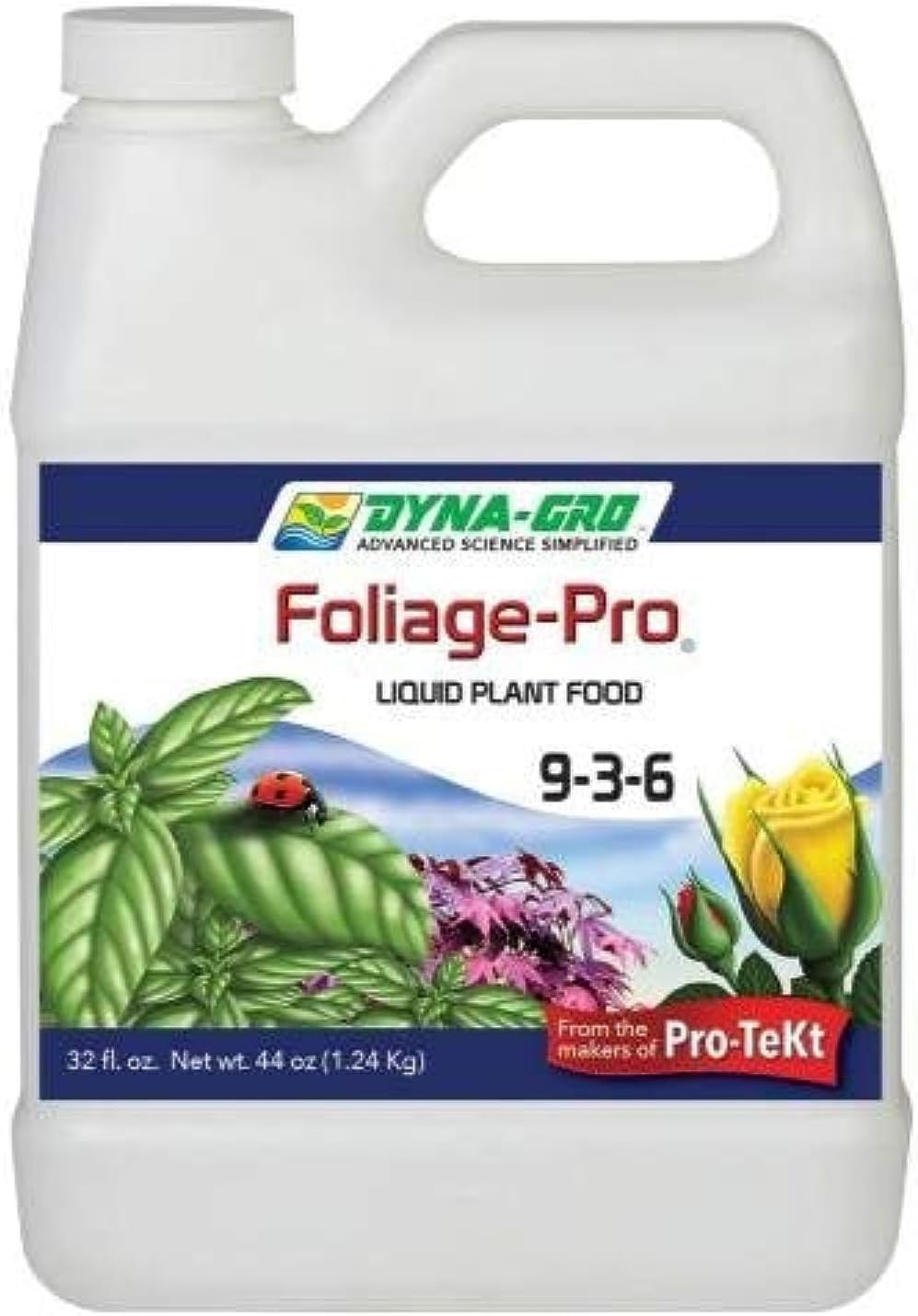
Organic Liquid Plant Food (FoxFarm)
A liquid organic plant food. Applied at label rate during active growth; most houseplants do better at reduced strength and not at all in winter.
View on Amazon ↗
PlantSavvyWorld
Editorial team
PlantSavvyWorld is an independent botanical education project. Articles are drafted with AI assistance, then edited and checked against university extension services, botanical garden collections and other published horticultural sources.
💬 Discussion