


STOP WATERING your Boston Ferns like everyone else!
Written with AI assistance, edited and checked against horticultural sources.
For Boston Ferns, understanding their specific needs, especially regarding watering, is paramount to unlocking their true potential. It's not about simply drowning them on a schedule; it's about understanding the delicate balance of moisture, oxygen, and microbial life that thrives in their root zone.
1. Botanical Overview & Natural Habitat
Boston Ferns ( Nephrolepis exaltata ), also known as Sword Ferns or Tuber Ladder Ferns, are native to tropical and subtropical regions worldwide. In their natural habitat, you'll find them thriving in humid, shaded environments. Think of the understory of a dense rainforest, nestled amongst tree roots, clinging to mossy rocks, or even growing epiphytically on the bark of larger trees. This context is crucial to understanding their care requirements.

PLAY22 Gardening Tools Set of 10
A 10-piece hand tool set with a carry bag — trowel, transplanter, pruners and weeder. Suited to repotting and general container work.
View on Amazon ↗In these environments, they don't experience the dramatic, fluctuating watering cycles we often impose indoors. Instead, they benefit from consistent moisture but crucially, excellent drainage. The soil or substrate they grow on is typically rich in organic matter, airy, and never waterlogged. Moisture is retained, but excess water drains away freely, ensuring the roots have access to oxygen. This is the fundamental principle we need to replicate indoors.
At the root zone (rhizosphere), gas exchange is just as critical as moisture. When potting mix becomes dense, muddy, or suffocated by standing drainage water, fine root hairs quickly suffer from hypoxia (oxygen deprivation). This anaerobic environment is a breeding ground for opportunistic fungal pathogens like Pythium and Phytophthora, which are notorious for causing root rot. Conversely, an open, biologically active substrate enables robust nutrient uptake and rapid vegetative vigor, leading to those lush, cascading fronds we all desire.
Successful indoor gardening isn't a game of luck—it is the art of respecting root biology and working in harmony with natural physiological cycles.
Understanding Fern Physiology
Boston Ferns are rhizomatous perennials, meaning they grow from underground stems called rhizomes. These rhizomes store water and nutrients, allowing the fern to survive periods of less-than-ideal conditions. They send up new fronds from buds on the rhizome. The health of these rhizomes and the fine, hair-like roots that emerge from them is directly tied to the moisture and oxygen levels in the potting medium. Overwatering leads to anaerobic conditions, suffocating these delicate structures and paving the way for disease. Underwatering, while less immediately fatal, stresses the plant, leading to browning fronds and stalled growth.
2. Essential Environmental & Care Requirements
Replicating the Boston Fern's native environment indoors requires attention to several key parameters. Moving beyond the generic "water when dry" advice, we need to consider the interplay of light, humidity, and the growing medium.
Lighting & Photoperiod
Boston Ferns prefer bright, indirect light. This means a spot where the light is diffused, such as near an east-facing window, or a few feet back from a south or west-facing window. Direct sunlight, especially harsh afternoon sun, can scorch their delicate fronds, leading to the dreaded brown tips. Conversely, too little light will result in leggy growth, smaller fronds, and a general lack of vigor. The ideal photoperiod for active growth is around 12-16 hours of suitable light per day.
Substrate Texture & Aeration
This is where many go wrong. Standard potting mixes often retain too much moisture and compact too easily, leading to the oxygen deprivation we discussed. For Boston Ferns, an airy, well-draining mix is non-negotiable. A good starting point is to amend a quality potting mix with at least 30% coarse perlite, pumice, or orchid bark. This creates pockets within the soil that allow for crucial gas exchange. The goal is a substrate that feels moist but not soggy, and that drains almost immediately after watering.
Humidity
As tropical plants, Boston Ferns absolutely love humidity. Indoor environments, especially those with forced-air heating or cooling, can be notoriously dry. Low humidity is a major culprit behind browning frond tips. Misting can provide a temporary boost, but a more reliable approach is to increase ambient humidity through other means, such as grouping plants together, using a pebble tray filled with water (ensuring the pot sits on the pebbles, not in the water), or investing in a small humidifier. Aim for humidity levels between 50% and 60%.
Temperature
Boston Ferns are comfortable in typical indoor room temperatures. They prefer temperatures between 65-75°F (18-24°C) during the day and slightly cooler at night, around 60-70°F (15-21°C). Avoid placing them near cold drafts from windows or doors in winter, or too close to heat vents, as sudden temperature fluctuations can shock the plant and lead to stress.
Hydration Routine: The Core Hack
This is the heart of the "STOP watering your Boston Ferns like everyone else!" mantra. The common mistake is watering on a strict calendar schedule, often leading to overwatering, or giving "shallow daily sips" that never reach the deeper root structures.
The optimal practice is to water thoroughly only when the top 2 inches (5 cm) of the substrate feel dry to the touch. When you do water, water deeply until water runs freely from the drainage holes. This ensures that the entire root ball is hydrated, encouraging deep root growth. Crucially, after watering, you must empty any collected water from the saucer within 15 minutes. This prevents the bottom roots from sitting in stagnant water.
Here's a breakdown of key parameters:
3. Step-by-Step Cultivation, Feeding & Propagation
Implementing these practices systematically will transform your Boston Ferns. Here is the proven, systematic protocol I personally follow in a greenhouse:
- Optimize Container Aeration: Begin by ensuring your container has ample drainage holes. If you're repotting, discard old, dense potting mix and create a custom blend. A good recipe is 2 parts high-quality potting soil, 1 part perlite, and 1 part orchid bark or coco coir. This mix should feel light and airy, with visible chunks of perlite and bark, not a fine, uniform powder. This is the foundation for healthy roots.
- Stabilize Climate & Micro-Environment: Position your Boston Fern away from drastic temperature shifts. Keep it at least 3 feet (approximately 1 meter) away from cold winter drafts emanating from windows or doors, and equally, avoid placing it directly next to or above forced-air heating or cooling registers. These fluctuations cause humidity shock and stress the plant. Aim for a consistent, comfortable room temperature.
- Refine Hydration Technique: The core of the hack! Before watering, insert your finger about 2 inches (5 cm) into the soil. If you feel any moisture, do not water. Wait until this depth feels dry. When it's time to water, do so thoroughly. Take the pot to a sink or bathtub and water from the top until water cascades out of the drainage holes. Let it drain completely for about 15 minutes, then empty the saucer. This ensures the entire root system is hydrated while preventing the dreaded anaerobic conditions at the bottom of the pot.
- Apply Dilute Organic Nutrients: During the active vegetative growth phases (typically spring through early autumn), nourish your fern. Use a balanced, organic liquid fertilizer diluted to half-strength. Feed approximately once every 4-6 weeks. This gentle feeding provides essential nutrients to fuel cell division and frond production without the risk of burning the roots, which can happen with over-fertilization. Avoid fertilizing during the winter months when growth naturally slows.
- Enhance Ambient Humidity: For perpetually lush fronds, actively manage humidity. Group your fern with other plants to create a microclimate. Place its pot on a pebble tray filled with water – ensure the bottom of the pot is above the water level to prevent root rot. In very dry environments, consider a small humidifier placed nearby. Monitor humidity levels with a hygrometer if you want precise control.
Propagation
Boston Ferns can be propagated from their rhizomes. When repotting a large, healthy specimen, you can often find sections of the rhizome with developing fronds or roots. Carefully divide the rhizome into smaller sections, ensuring each piece has at least one bud and some roots. Pot each section into its own airy substrate and keep it consistently moist (but not waterlogged) and humid. New growth should appear within a few weeks.
💡 Pro-Tip: Always hydrate with room-temperature water. Icy tap water induces thermal root shock, causing the fine root hairs to constrict and temporarily halting nutrient absorption for several hours. Letting tap water sit out for 24 hours or using filtered water can help mitigate this.
⚠️ Important Caution: Never let pots stand in saucer runoff water for more than fifteen minutes. Stagnant water creates anaerobic conditions, suffocating root tissues and rapidly leading to root rot, a common and often fatal issue for ferns.
4. Common Problems, Pests & Troubleshooting
Even with the best care, you might encounter a few issues. Understanding common problems and their solutions is key to keeping your Boston Fern healthy.
Browning Frond Tips and Edges
This is the most prevalent issue and, as we've discussed, usually points to a problem with humidity, watering, or temperature.
- Cause: Low humidity is the primary suspect. Inconsistent watering (either too much or too little) can also contribute. Sudden temperature changes or drafts can shock the plant.
- Solution: Increase ambient humidity (pebble tray, humidifier, grouping plants). Check the soil moisture – if it's bone dry, water thoroughly; if it's soggy, let it dry out and consider repotting into a better-draining mix. Ensure the plant is not near a heat vent or cold draft. Trim off browned tips with clean, sharp scissors.
Yellowing Fronds
- Cause: Can be a sign of overwatering (leading to root rot, which impairs nutrient uptake), underwatering (stress), or nutrient deficiency.
- Solution: Assess your watering habits. If the soil is consistently wet and the plant is yellowing, reduce watering frequency and ensure good drainage. If the soil is dry, water thoroughly. If the plant is otherwise healthy and has been in the same pot for a long time, it might need nutrients; apply a diluted liquid fertilizer.
Drooping or Wilting Fronds
- Cause: This typically indicates a lack of water, but can also occur if roots are severely damaged by root rot.
- Solution: Check the soil moisture. If dry, water thoroughly. If the soil is wet and the fronds are drooping, it's likely root rot, and you'll need to repot into fresh, well-draining soil, trimming away any mushy or black roots.
Pests
Boston Ferns can occasionally attract common houseplant pests.
- Mealybugs: White, cottony masses found in leaf axils.
- Spider Mites: Tiny red or brown mites that create fine webbing, especially in dry conditions.
- Scale: Small, hard, brown bumps on fronds and stems.
- Solution: Isolate the affected plant immediately to prevent spread. For minor infestations, wipe pests off with a damp cloth or cotton swab dipped in rubbing alcohol (isopropyl alcohol). For more significant infestations, a horticultural insecticidal soap or neem oil spray can be effective. Always follow product instructions carefully. Consistent humidity often helps deter spider mites.
5. Frequently Asked Questions
My Boston Fern's fronds are turning crispy and brown at the tips. What am I doing wrong?
The most common reason for crispy, brown frond tips on Boston Ferns is insufficient humidity. These plants originate from tropical rainforests where the air is consistently moist. Indoor environments, especially during winter months with heating systems running, are often far too dry. To combat this, aim to increase the ambient humidity around your fern. This can be achieved by placing the pot on a pebble tray filled with water (making sure the pot is elevated on the pebbles, not sitting directly in the water), grouping it with other plants to create a humid microclimate, or using a small room humidifier. While misting can offer a temporary boost, it's often not enough for consistent, long-term relief.
How often should I water my Boston Fern? My neighbor says every day, but mine hates that.
Your neighbor is likely watering their fern in a way that would suit a different plant, or perhaps they have a much more porous substrate than you do. For Boston Ferns, the "water when the top 2 inches feel dry" rule is far more effective than a strict daily schedule. This equates to watering maybe once every 7-10 days in typical indoor conditions, but it can vary significantly based on your home's humidity, temperature, and the type of potting mix you use. The key is to feel the soil. If you feel any moisture at that 2-inch depth, hold off on watering. When you do water, do it thoroughly, letting water drain from the bottom, and then empty the saucer promptly.
Can I use regular potting soil for my Boston Fern?
While you can use regular potting soil as a base, it's highly recommended to amend it to create a more aerated and free-draining mix specifically suited for ferns. Standard potting soils can become compacted, leading to poor oxygenation for the roots and increasing the risk of root rot. A good formula involves mixing your regular potting soil with at least 30% perlite, pumice, or orchid bark. This amendment creates air pockets, allowing for essential gas exchange at the root level and ensuring that excess water can drain away freely, preventing the soggy conditions that ferns detest. For example, a 2:1:1 ratio of potting soil to perlite to orchid bark is an excellent starting point.
My Boston Fern is getting huge, but it's sparse and not as lush as I'd like. What can I do to make it fuller?
A sparse Boston Fern can be a result of several factors, including insufficient light, inconsistent watering, or lack of nutrients. Ensure your fern is receiving bright, indirect light; a spot that's too dim will lead to leggy, less dense growth. Check your watering and humidity levels as previously discussed – consistent moisture and high humidity are crucial for lushness. Additionally, ensure you are fertilizing during the growing season. Use a balanced, organic liquid fertilizer diluted to half-strength about once every 4-6 weeks from spring through early autumn. This will provide the necessary nutrients for robust frond development and encourage a fuller, more vigorous plant.
If you're looking to further enhance your fern's growth and are interested in understanding the science behind plant propagation, you might find resources on plant hormone signaling helpful. For general plant care information, the University of Florida IFAS Extension offers a wealth of scientifically-backed gardening advice. For more on tropical plant cultivation and their specific needs, the Missouri Botanical Garden Plant Finder is an invaluable resource.
Have you tried this technique with your own houseplants? Share your results with our global grower community on the Community Forum, explore more expert guides on Plant Tips, or visit our Home Page for comprehensive plant care archives.
📋 Table of Contents ▼ Click to expand
PlantSavvyWorld
Editorial team
PlantSavvyWorld is an independent botanical education project. Articles are drafted with AI assistance, then edited and checked against university extension services, botanical garden collections and other published horticultural sources.
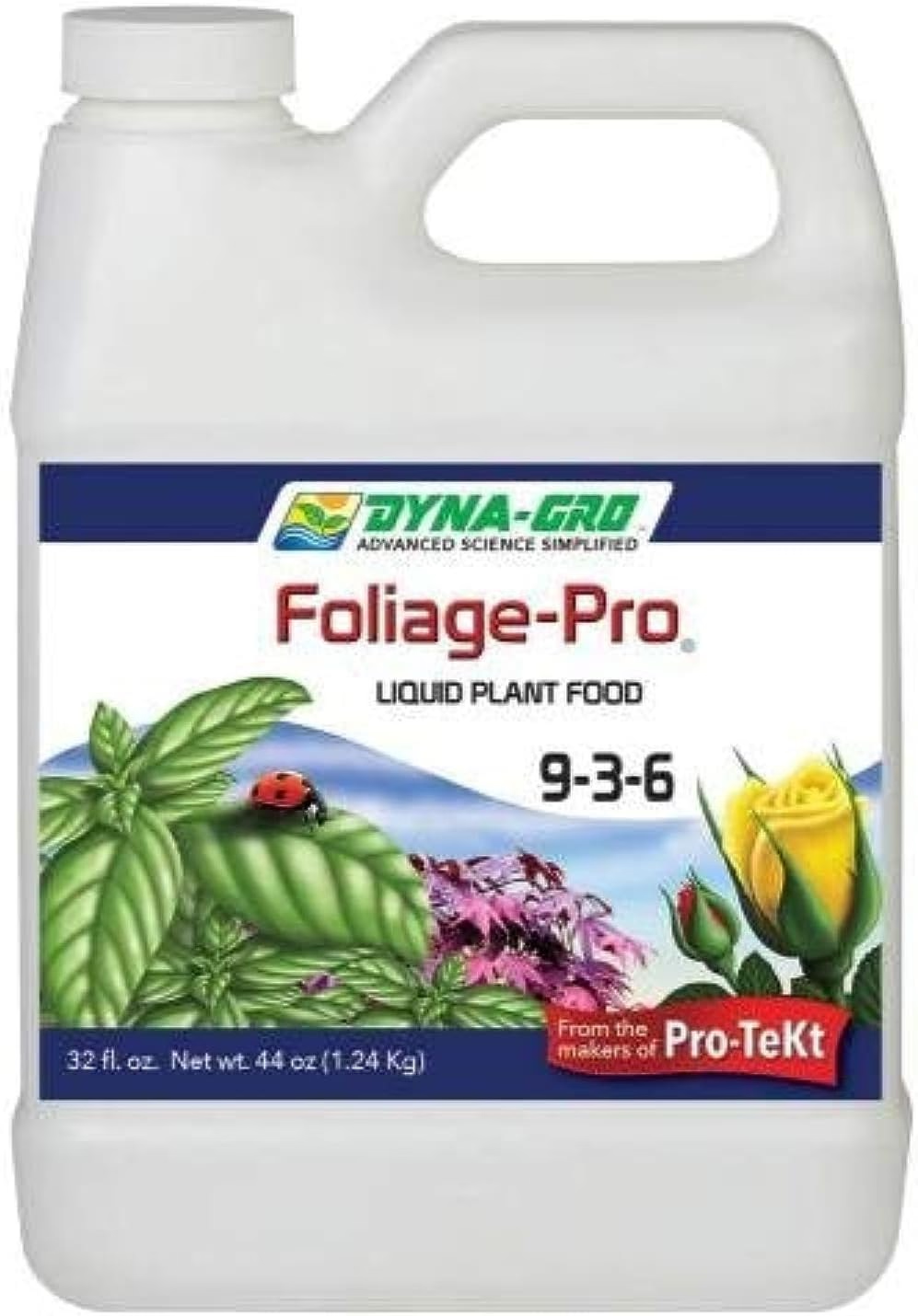
Organic Liquid Plant Food (FoxFarm)
A liquid organic plant food. Applied at label rate during active growth; most houseplants do better at reduced strength and not at all in winter.
View on Amazon ↗
PlantSavvyWorld
Editorial team
PlantSavvyWorld is an independent botanical education project. Articles are drafted with AI assistance, then edited and checked against university extension services, botanical garden collections and other published horticultural sources.
💬 Discussion