

Can Tomatoes Be Grown Year Round — Complete Care, Planting & Growth Masterclass
Rédigé avec l'aide de l'IA, révisé et vérifié auprès de sources horticoles.

Growing tomatoes indoors year-round requires optimizing their environment to mimic their ideal conditions, even when the seasons outside are fighting against your goals.
Can Tomatoes Be Grown Year Round — Complete Care, Planting & Growth Masterclass
1. Botanical Overview & Natural Habitat
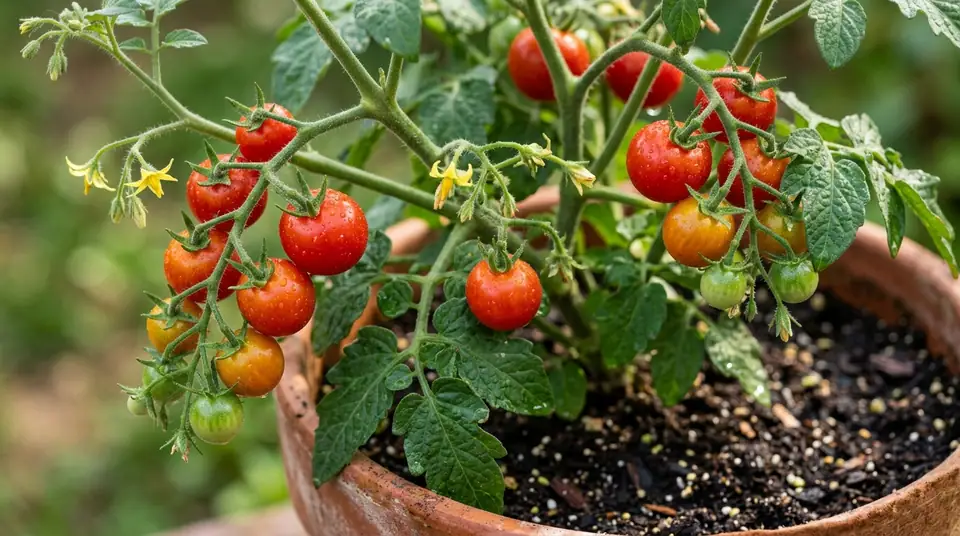
Tomatoes ( Solanum lycopersicum ) are fundamentally warm-season annuals, native to the Andean region of South America. In their natural, native climate, they experience long growing seasons with ample sunlight and consistent warmth. Their wild ancestors likely grew as perennial vines in tropical highlands, where frost is a rare occurrence. This natural inclination for warmth and extended daylight is crucial to understanding how we can coax them into producing fruit outside their typical season.
While we often treat them as annuals in temperate climates, a tomato plant's biological drive is to grow, flower, and set fruit continuously when conditions are favorable. This means that with artificial control over light, temperature, and nutrients, we can indeed bypass the constraints of seasonal change and achieve year-round production. Understanding their tropical origins helps us appreciate why they crave consistent warmth (ideally between 70-85°F or 21-29°C during the day and 60-70°F or 15-21°C at night) and ample light. They are not naturally adapted to cold winters or short daylight hours, which is why successful year-round growing hinges on creating an artificial, optimized environment.
| Parameter | Optimal Condition | Common Mistake | Why It Matters |
|---|---|---|---|
| Temperature | 70-85°F (21-29°C) Day / 60-70°F (15-21°C) Night | Too cold (below 50°F / 10°C) or too hot (above 90°F / 32°C) | Extreme temperatures hinder pollination, fruit set, and can cause plant shock, stunting growth and reducing yield. |
| Sunlight/Light | 6-8 hours of direct, intense light per day | Insufficient light (long shadows, weak bulbs) | Crucial for photosynthesis, energy production, flowering, and fruit development. Lack of light leads to leggy plants. |
| Soil pH | 6.0 – 6.8 (slightly acidic to neutral) | Too acidic (below 5.5) or too alkaline (above 7.5) | Affects nutrient availability; incorrect pH locks up essential nutrients, leading to deficiencies even if they are present. |
| Moisture | Consistent, deep watering; soil slightly moist | Overwatering or inconsistent watering | Promotes healthy root development and nutrient uptake; overwatering leads to root rot, inconsistent watering stresses plants. |
| Nutrients | Balanced NPK with emphasis on P & K during fruiting | Over-fertilizing with Nitrogen | Supports vigorous growth, strong cell walls, and robust fruit production; excess nitrogen leads to leafy growth with little fruit. |
| Air Circulation | Good airflow, not stagnant | Crowded conditions, no ventilation | Prevents fungal diseases like powdery mildew and blight, and aids in pollination. |
2. Essential Environmental & Care Requirements
Achieving year-round tomato production requires careful management of their environment. Think of it as creating a mini-tropical paradise, regardless of the season outside.
Lighting: The Year-Round Sun Substitute
The most significant hurdle to year-round tomato growing is light. Tomatoes are sun-lovers, needing at least 6 to 8 hours of direct, intense sunlight daily. In most regions, winter days are short and the sun’s angle is low, providing insufficient light. For indoor or out-of-season growing, artificial lighting is non-negotiable.
- LED Grow Lights: These are the most energy-efficient and effective option. Look for full-spectrum LEDs that mimic natural sunlight, providing the necessary wavelengths for all stages of growth, from vegetative to flowering and fruiting. Position lights about 12-18 inches (30-45 cm) above the plant canopy.
- Timers: Use a timer to ensure your plants receive a consistent 14-16 hours of light per day, followed by 8-10 hours of darkness. This mimics a long summer day, signaling to the plant that it's time to grow and produce.
- Natural Light: If you have a very sunny south-facing window that receives at least 6 hours of direct sun, it can supplement artificial lighting, but it’s rarely enough on its own during winter months.
Temperature Control: Avoiding the Chill and the Heat Stress
Tomatoes thrive in a specific temperature range. Fluctuations can induce shock and halt fruit production.
- Daytime: Aim for a consistent 70-85°F (21-29°C). This is where most of their active photosynthesis and fruit development occurs.
- Nighttime: A slightly cooler temperature of 60-70°F (15-21°C) is ideal for respiration and plant recovery. Temperatures consistently below 50°F (10°C) can damage flowers and young fruit, while prolonged periods above 90°F (32°C) can lead to blossom drop and poor fruit set.
- Indoor Environments: Greenhouses or grow tents offer the best control. For windowsill gardens, ensure the location isn't near a drafty window or a heat vent. A small space heater or fan might be necessary in colder climates to maintain the optimal range.
Soil and Container Management: The Foundation for Healthy Roots
Whether you're planting in containers or a raised bed for out-of-season growth, soil health is paramount.
- Container Size: For most determinate (bush) varieties, a 5-gallon (approx. 19-liter) pot is a minimum. Indeterminate (vining) varieties will need 7-10 gallons (approx. 26-38 liters) or more to support their extensive root systems and heavy fruit load. Ensure pots have adequate drainage holes.
- Soil Mix: A well-draining, nutrient-rich potting mix is essential. I always recommend a blend that includes:
- High-quality compost: Provides essential organic matter and slow-release nutrients.
- Perlite or vermiculite: Improves aeration and drainage, preventing waterlogging.
- Coconut coir or peat moss: Retains moisture while allowing drainage.
- Worm castings: An excellent source of beneficial microbes and micronutrients. A good starting point is 2 parts compost, 1 part perlite, and 1 part coco coir.
- Soil Biology: Healthy soil is alive! Introducing beneficial microbes through compost, worm castings, or specific microbial inoculants can significantly improve nutrient uptake and disease resistance.
Moisture Management: The Art of Consistent Hydration
Consistent moisture is key to preventing issues like blossom end rot and maintaining plant vigor.
- Deep, Infrequent Irrigation: Instead of frequent shallow watering, aim to water deeply until water drains from the bottom of the pot. This encourages roots to grow deeper into the soil, creating a more resilient root system.
- Check Soil Moisture: The best way to know when to water is to feel the soil. Insert your finger about 2 inches (5 cm) into the soil. If it feels dry, it's time to water. If it feels moist, wait.
- Watering Time: Water in the morning to allow foliage to dry before nightfall, which helps prevent fungal diseases. Avoid overhead watering if possible; water at the base of the plant.
Air Circulation: Breathing Room for Healthy Plants
Good airflow is critical, especially in indoor environments where humidity can build up quickly. Stagnant air is an open invitation for fungal diseases.
- Fans: Use a small oscillating fan set to low for a few hours each day, particularly in enclosed spaces like greenhouses or grow tents. This not only prevents fungal issues but also strengthens stems as plants adjust to the gentle air movement.
- Spacing: If growing multiple plants, ensure they are spaced adequately to allow air to circulate freely around them.
3. Step-by-Step Cultivation, Feeding & Propagation
Embarking on year-round tomato cultivation is a rewarding journey. Here’s a breakdown of the process:
-
Variety Selection: For year-round growing, especially indoors or in challenging climates, choose varieties known for their resilience and suitability for containers or smaller spaces. Dwarf or patio varieties, as well as smaller fruiting types like cherry tomatoes, are often easier to manage. Look for indeterminate varieties if you want continuous production, but be prepared for their larger size and need for robust support. Some excellent choices for continuous production include 'Sungold' (cherry), 'Sweet 100' (cherry), 'Roma' (paste), and specific dwarf varieties developed for indoor growing.
-
Starting Seeds or Transplants:
- From Seed: Start seeds indoors 6-8 weeks before you intend to transplant them into their final growing location (or pot). Use a seed-starting mix, keep them consistently moist, and provide bottom warmth (around 70-80°F or 21-27°C) using a heat mat. Once seedlings emerge, ensure they have ample light to prevent legginess.
- From Transplants: If starting with store-bought or homegrown seedlings, select healthy, stocky plants with good color. Avoid plants that are already flowering if you want to manage their growth cycle.
- Potting Up and Initial Growth:
- Container Preparation: Select your appropriately sized pots and fill them with your custom well-draining soil mix.
- Planting Depth: When transplanting, bury the stem deep, up to the first set of true leaves. Tomatoes have the remarkable ability to grow adventitious roots along their buried stems, leading to a stronger overall root system.
- Initial Watering: Water thoroughly after planting to settle the soil around the roots.
- Light and Temperature: Place the young plants under your grow lights, maintaining the 70-85°F (21-29°C) daytime temperature.
- Feeding and Nutrient Management: Tomatoes are heavy feeders, especially when expected to produce fruit year-round.
- Early Growth (Vegetative): During the first few weeks, focus on a balanced organic fertilizer or one slightly higher in Nitrogen (N) to encourage leafy growth. A 5-5-5 or similar balanced blend works well. Start feeding about 2-3 weeks after transplanting.
- Flowering and Fruiting: Once flower buds appear, switch to a fertilizer higher in Phosphorus (P) and Potassium (K). A 2-5-5 or 1-5-7 blend is ideal. Phosphorus promotes flower and fruit development, while Potassium enhances overall plant health, disease resistance, and fruit quality.
- Frequency: For potted plants, you'll likely need to fertilize more frequently. Follow the product instructions, but generally, feed every 2-4 weeks with a liquid organic fertilizer, or top-dress with a slow-release organic fertilizer every 6-8 weeks. Avoid over-fertilizing with nitrogen, which can lead to lush foliage but few flowers and fruits.
- Micronutrients: Ensure your fertilizer or soil mix contains essential micronutrients like calcium and magnesium. Calcium is particularly important for preventing blossom end rot.
- Support and Pruning:
- Staking/Caging: As plants grow, provide support. Indeterminate varieties will need sturdy stakes, cages, or trellises. Install these at planting time to avoid disturbing the roots later.
- Pruning (Optional but Recommended): For indeterminate types, pruning suckers (the small shoots that grow in the crotch between the main stem and a branch) can improve air circulation and direct energy towards fruit production. Prune by pinching or cutting them off when they are small. For determinate varieties, pruning is usually not necessary.
- Pollination: Indoors, without natural wind or insects, you'll need to assist pollination.
- Manual Vibration: Gently tap the flower trusses or the pots themselves to help release pollen. You can also use a soft brush or cotton swab to transfer pollen from one flower to another.
- Fan Use: The gentle movement of your oscillating fan can also help dislodge pollen and facilitate fertilization.
- Harvesting: Pick tomatoes when they reach their full color and are slightly firm to the touch. Regular harvesting encourages the plant to produce more.
4. Common Problems, Pests & Troubleshooting
Even with optimal conditions, you might encounter challenges. Here’s how to address them:
- Blossom End Rot (BER): This is a dark, sunken spot on the bottom of the fruit, typically caused by inconsistent watering and/or calcium deficiency. Ensure your soil has adequate calcium, and maintain consistent moisture levels. Using a calcium spray can provide a quick fix.
- Powdery Mildew: A white, powdery growth on leaves and stems, often a result of poor air circulation and high humidity. Increase airflow, reduce humidity, and use organic fungicides like neem oil or potassium bicarbonate solutions.
- Aphids and Whiteflies: Common sap-sucking pests. They can be managed with strong blasts of water, insecticidal soaps, or neem oil. Introducing beneficial insects like ladybugs or lacewings can also help in contained environments.
- Yellowing Leaves: This can be due to a variety of factors, including overwatering, underwatering, nutrient deficiencies (especially nitrogen or magnesium), or insufficient light. Carefully assess your watering habits and consider a balanced liquid fertilizer. If the lower leaves are yellowing, it might be nitrogen deficiency. If it's a general paling with leaf drop, check your watering and light.
- Flower Drop: Tomatoes may drop flowers if temperatures are too high (above 90°F / 32°C) or too low (below 55°F / 13°C), or if there's a lack of pollination or severe nutrient imbalance. Address temperature extremes and ensure proper pollination techniques are being used.
💡 Pro-Tip: For persistent pest issues, especially in closed environments, consider integrating a robust integrated pest management (IPM) strategy. This involves a combination of cultural practices (like good hygiene and airflow), biological controls (beneficial insects), and, as a last resort, targeted organic pesticides. Early detection is key!
⚠️ Important Caution: When using any fertilizer or pest control product, always read and follow the manufacturer’s instructions carefully. Over-application can damage plants and create environmental hazards. Always test new products on a small area first.

5. Frequently Asked Questions
Can I really grow tomatoes year round in my apartment?
Absolutely! With the right setup, year-round tomato cultivation is achievable even in an apartment. The key is providing adequate artificial light (full-spectrum LED grow lights are your best friend), maintaining consistent temperatures (70-85°F or 21-29°C during the day), using well-draining containers with a quality potting mix, and managing moisture diligently. Many dwarf and determinate varieties are well-suited for container growing indoors.
How much light do tomatoes need if I'm growing them indoors year round?
For continuous, robust production, tomatoes grown indoors need a significant amount of light: at least 6-8 hours of direct, intense light per day. In practice, this usually means providing 14-16 hours of artificial light from full-spectrum LED grow lights positioned appropriately above the plants. This mimics the long, sunny days of summer.
What's the biggest challenge to growing tomatoes year-round?
The most common stumbling block for year-round tomato growers, especially those new to it, is mimicking the consistent warmth and abundant light that tomatoes naturally crave, while also managing moisture and preventing diseases in potentially less-than-ideal indoor or protected environments. Overwatering is particularly rampant in containers, leading to root issues. Getting the light levels and watering right are the most critical factors for success.
Is it more expensive to grow tomatoes year round than during the summer?
It can be, yes. The primary added costs come from electricity for grow lights and potentially heating or cooling to maintain optimal temperatures. You'll also need to invest in good quality grow lights, timers, and potentially a more elaborate setup like a grow tent or small greenhouse. However, the reward of fresh, homegrown tomatoes out of season can be well worth the investment for many gardeners. The cost per tomato can be higher than buying them in peak season, but the satisfaction and quality are often unparalleled.
By understanding their botanical needs and implementing these practices, you can enjoy the taste of homegrown tomatoes throughout the entire year. Happy growing!
Tags:
🌿 Related Plants You Might Like






PlantSavvyWorld
Équipe éditoriale
PlantSavvyWorld est un projet indépendant d'éducation botanique. Les articles sont rédigés avec l'aide de l'IA, puis révisés et vérifiés auprès de services de vulgarisation universitaire, de collections de jardins botaniques et d'autres sources horticoles publiées.