

Can Tomatoes Grow Year Round — Complete Care, Planting & Growth Masterclass
Redactado con asistencia de IA, editado y verificado con fuentes hortícolas.
Achieving year-round tomato production and pushing the boundaries of a short growing season requires a deep understanding of the plant's needs and a strategic approach to cultivation to satisfy the craving for juicy, sun-ripened fruits.
1. Botanical Overview & Natural Habitat
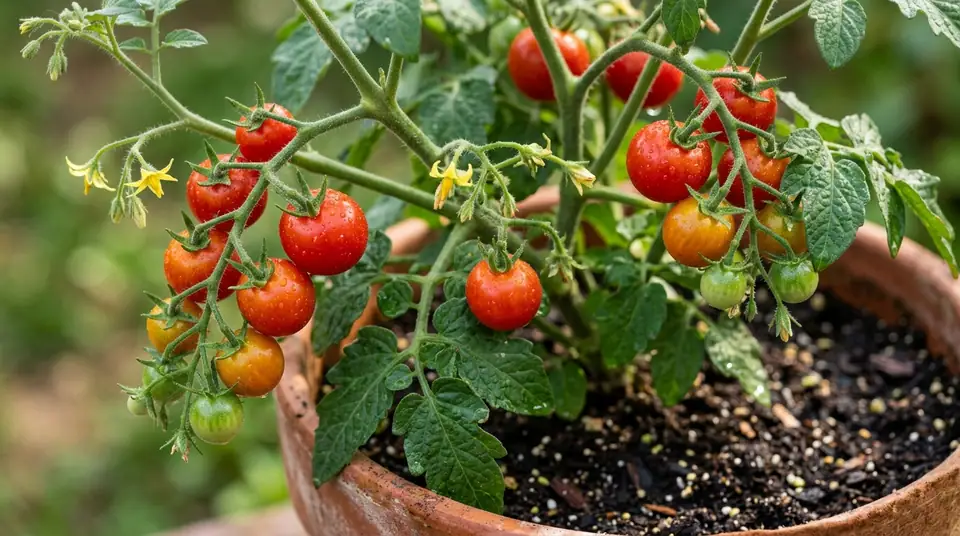
Tomatoes are members of the nightshade family (Solanaceae), a group known for its diverse and sometimes toxic members, but also for its incredibly productive and delicious culinary staples. They are photoperiod-sensitive to some degree, meaning that the length of daylight influences their flowering and fruiting. While not as strictly day-length dependent as some other plants, a consistent, long daylight period is crucial for robust growth and fruit set. Their root systems are extensive and benefit from well-aerated, nutrient-rich soil, seeking out moisture deeply. The ideal soil pH for tomatoes is slightly acidic to neutral, typically between 6.0 and 6.8. This range optimizes the availability of essential nutrients for uptake.
| Parameter | Optimal Condition | Common Mistake | Why It Matters |
|---|---|---|---|
| Temperature | 70-85°F (21-29°C) daytime, 60-70°F (15-21°C) nighttime | Extreme fluctuations, prolonged cold or heat | Induces stress, reduces fruit set, hinders nutrient uptake, can cause blossom drop. |
| Sunlight | Minimum 6-8 hours of direct sun daily | Insufficient light, especially during winter months | Essential for photosynthesis, energy production, and fruit development. |
| Soil pH | 6.0 - 6.8 | Too acidic or too alkaline | Affects nutrient availability; incorrect pH can lead to deficiencies even if nutrients are present. |
| Moisture | Consistent, deep watering, allowing soil to dry slightly between irrigations | Overwatering or inconsistent watering | Promotes root rot, fungal diseases, and blossom end rot; inconsistent watering stresses the plant. |
| Nutrients | Balanced NPK with emphasis on P for roots, K for fruit | Over-fertilization or nutrient imbalance | Supports vigorous growth, flowering, fruit set, and disease resistance. |
2. Essential Environmental & Care Requirements
To even contemplate year-round tomato growth, we must become masters of environmental control. This is where the "Hard" difficulty rating truly comes into play, as it often involves replicating ideal outdoor conditions indoors or in protected environments.
Lighting is Paramount: The most significant hurdle for year-round growth, especially in regions with short, cloudy winters, is sufficient light. Outdoors, tomatoes crave "full sun," which translates to at least 6 to 8 hours of direct sunlight per day. In many climates, this is only achievable during the warmer months. For year-round production, you will undoubtedly need to supplement with artificial lighting. High-quality grow lights are essential. Look for full-spectrum LED grow lights that mimic natural sunlight. Aim for a light cycle of 14-16 hours of light per day during the growing and fruiting stages.
Temperature Regulation: Tomatoes are famously sensitive to temperature. Ideal daytime temperatures hover between 70-85°F (21-29°C), with nighttime temperatures ideally dropping no lower than 60-70°F (15-21°C). Below 55°F (13°C), pollen can become sterile, leading to poor fruit set. Above 90°F (32°C), especially coupled with low humidity, pollination can also be impaired, resulting in "blossom drop." For year-round growth, this means using greenhouses, cold frames, or indoor grow tents with climate control. Monitoring and maintaining these consistent temperatures is non-negotiable. In temperate zones, be aware of your USDA Plant Hardiness Zone. While tomatoes are annuals, understanding your zone helps anticipate outdoor frost dates and the need for season extension techniques. During extreme summer heatwaves, providing shade netting can be as crucial as frost protection in colder months.
Moisture Management: Consistent moisture is vital, but overwatering is a swift path to disaster. The goal is deep, infrequent irrigation. This encourages roots to grow deeper into the soil, seeking moisture and establishing a more resilient root architecture. Allowing the top 1-2 inches (2.5-5 cm) of soil to dry out slightly between waterings is a good rule of thumb, especially for container-grown plants. Inconsistency, however, can lead to issues like blossom end rot. Using a moisture meter can be incredibly helpful, especially when you're learning your plant's specific needs in its environment.
Soil Biology and Aeration: Healthy plants start with healthy soil. For year-round growth, whether in containers or a protected bed, your soil needs to be rich in organic matter and well-aerated. A good mix often includes compost, perlite or vermiculite for drainage and aeration, and organic worm castings to introduce beneficial microbes. Compacted, waterlogged soils are breeding grounds for root rot and fungal pathogens, which can quickly decimate a plant, especially one stressed by suboptimal conditions.
💡 Pro-Tip: When growing tomatoes in containers indoors, consider using self-watering pots. These systems can help maintain consistent moisture levels and prevent the dreaded cycle of over- and under-watering, which is a common pitfall for many home growers attempting year-round production.
3. Step-by-Step Cultivation, Feeding & Propagation
Achieving year-round tomatoes isn't simply about planting and waiting; it's a meticulously managed process. This involves careful selection, consistent feeding, and potentially, propagation.
1. Variety Selection is Key: Not all tomato varieties are created equal for extended or off-season growing. Opt for determinate (bush) varieties for container growing or if space is limited, as they tend to produce their fruit within a shorter, concentrated period. For continuous harvest, indeterminate (vining) varieties are better, as they keep producing as long as conditions are favorable. Look for varieties known for disease resistance and adaptability to different conditions, especially those bred for cooler or shorter seasons if you're extending naturally. Cherry tomatoes and smaller fruited varieties often have a quicker turnaround and can be more forgiving.
2. Starting Your Plants (Seed or Transplant):
- From Seed: For optimal control, start seeds indoors 6-8 weeks before you intend to move them to their permanent growing space (greenhouse, grow tent). Use a high-quality seed-starting mix. Sow seeds about 1/4 inch (0.6 cm) deep in small pots or trays. Keep them consistently moist and warm (70-80°F / 21-27°C) until germination, which usually takes 7-14 days. Once seedlings emerge, provide them with strong light.
- From Transplants: If starting with store-bought or nursery transplants, select healthy, stocky plants with dark green leaves and no signs of pests or disease.
3. Potting and Soil Medium: When transplanting seedlings into larger pots or their final growing beds, use a nutrient-rich, well-draining potting mix. For containers, a mix containing compost, peat moss or coco coir, and perlite is excellent. Ensure containers have adequate drainage holes. For larger indeterminate plants, plan for at least a 5-gallon (approx. 19-liter) pot, with 10-gallon (approx. 38-liter) or larger being ideal for maximum root development and sustained fruiting.
4. Feeding Your Tomato Plants: Tomatoes are heavy feeders. A balanced organic fertilization program is crucial for sustained growth and fruit production.
- Initial Feeding (Root Establishment & Bud Formation): When plants are young and establishing, and again as they begin to bud, use an organic fertilizer higher in phosphorus. This supports robust root development and initiates flowering. A blend like bone meal or a balanced organic fertilizer with an N-P-K ratio like 5-10-5 is suitable.
- Mature Plant Feeding (Fruit Development): As the plants mature and begin to set fruit, transition to a fertilizer slightly higher in potassium. Potassium is essential for fruit quality, disease resistance, and drought tolerance. Kelp meal or an organic fertilizer with an N-P-K ratio like 2-3-4 or 3-4-5 is beneficial. Apply liquid fertilizers (like fish emulsion or compost tea) every 2-4 weeks, following product instructions. Top-dress with granular organic fertilizers periodically as needed. Avoid excessive nitrogen, which can lead to lush foliage at the expense of fruit production.
5. Support and Pruning: Most tomato varieties will require support. Stakes, cages, or trellises are essential to keep plants upright, improve air circulation, and prevent fruit from touching the soil, which can lead to rot. For indeterminate varieties, pruning suckers (the small shoots that grow in the "V" between the main stem and a branch) can help direct the plant's energy into fruit production and maintain a manageable size. Typically, pruning involves removing all but one or two main stems.
6. Pollination Assistance: Even with ideal conditions, indoor plants might need a little help with pollination. Gently shake the plants daily, or use a small, soft brush to transfer pollen from flower to flower. A gentle fan can also help mimic the wind and improve air circulation, aiding in pollination.
4. Common Problems, Pests & Troubleshooting
Even with the best care, year-round growing can present unique challenges. Understanding common problems and their solutions is critical for keeping your plants healthy and productive.
Blossom End Rot: This is a common issue characterized by a dark, sunken spot on the blossom end of the fruit. It's primarily caused by calcium deficiency, but often exacerbated by inconsistent watering. The plant can't absorb calcium properly when soil moisture fluctuates erratically. Ensuring consistent watering and adequate soil calcium (often addressed through balanced fertilization and healthy soil biology) is key.
Fungal Diseases: Issues like Early Blight, Late Blight, and Septoria Leaf Spot thrive in humid conditions and can spread rapidly, especially in less-than-ideal air circulation. Good air movement, proper watering (avoiding wetting foliage), and prompt removal of affected leaves are crucial. Choosing disease-resistant varieties also helps significantly. In enclosed environments, a gentle air circulation fan is invaluable.
Pests: Indoor or greenhouse environments can still attract pests like aphids, whiteflies, and spider mites.
- Aphids: Small, pear-shaped insects that cluster on new growth. Blast them off with a strong spray of water or use insecticidal soap.
- Whiteflies: Tiny white insects that fly up when disturbed. They suck sap from the leaves. Yellow sticky traps can help monitor and catch them. Insecticidal soap or neem oil can be effective.
- Spider Mites: Tiny arachnids that create fine webbing. They thrive in dry conditions. Increase humidity and use insecticidal soap or neem oil.
⚠️ Important Caution: When using any pest control, especially indoors or in a greenhouse where beneficial insects might also be present, opt for organic, low-impact solutions like insecticidal soap, neem oil, or beneficial insects (like ladybugs or predatory mites) whenever possible. Always follow product instructions carefully.
Poor Fruit Set: If your plants are flowering but not setting fruit, investigate temperature extremes (too hot or too cold), insufficient light, or pollination issues. Ensure your nighttime temperatures don't drop below 55°F (13°C) and daytime temperatures don't consistently exceed 90°F (32°C).

5. Frequently Asked Questions
Can I really grow tomatoes year round in my regular garden?
In most temperate climates, a true "year-round" harvest from an outdoor garden is not feasible due to seasonal temperature drops, frost, and insufficient daylight hours. However, you can significantly extend your growing season using techniques like season extension (greenhouses, cold frames, row covers) and by planting varieties with quicker maturity times. For consistent year-round production, controlled indoor environments with supplemental lighting are typically required.
What's the biggest mistake people make trying to grow tomatoes year round?
The most common mistake, by far, is inconsistent environmental control. This includes fluctuating temperatures, erratic watering schedules, and inadequate or inconsistent lighting. Tomatoes thrive on stability. When conditions swing wildly, plants get stressed, leading to problems like blossom drop, poor fruit development, and increased susceptibility to diseases and pests.
How long does it take for tomatoes to grow from seed to fruit?
The time from seed to first harvest varies greatly by variety and growing conditions, but generally, it takes about 60 to 85 days for most common tomato types. For year-round growing under ideal conditions (consistent light, temperature, and nutrients), you can expect this cycle to be relatively predictable. Faster-maturing varieties might produce fruit in as little as 50-55 days, while larger beefsteak types can take up to 90 days or more.
Do tomatoes need pollination if grown indoors without wind or insects?
Yes, tomatoes grown indoors or in a completely sealed greenhouse usually require assistance with pollination. While they are self-pollinating (each flower contains both male and female parts), they need a gentle vibration or air movement to release pollen and allow it to reach the stigma. You can achieve this by gently tapping the flowers, shaking the plants, using a small brush to transfer pollen, or using a small fan to create air circulation.
What soil pH is best for tomatoes, and why is it important?
The optimal soil pH for tomatoes is between 6.0 and 6.8. This slightly acidic to neutral range is crucial because it dictates the availability of essential nutrients in the soil. If the pH is too high or too low, certain nutrients can become "locked up" and unavailable to the plant, even if they are present in the soil. For example, calcium and magnesium availability can be reduced in highly acidic soils, while micronutrients like iron and manganese can be less available in alkaline soils. Maintaining the correct pH ensures your tomato plants can efficiently absorb the nutrients they need for healthy growth and fruit production.
To truly achieve year-round tomato cultivation, think of yourself as a micro-climate engineer. It's a rewarding endeavor that requires attention to detail, patience, and a willingness to learn and adapt. By understanding the fundamental needs of the tomato plant and controlling the environmental factors that influence its growth, you can indeed push the boundaries of your growing season.
Happy Growing!
The PlantSavvyWorld editorial team PlantSavvyWorld
Further Reading
Tags:
🌿 Related Plants You Might Like






PlantSavvyWorld
Equipo editorial
PlantSavvyWorld es un proyecto independiente de educación botánica. Los artículos se redactan con asistencia de IA y luego se editan y verifican con servicios de extensión universitaria, colecciones de jardines botánicos y otras fuentes hortícolas publicadas.